





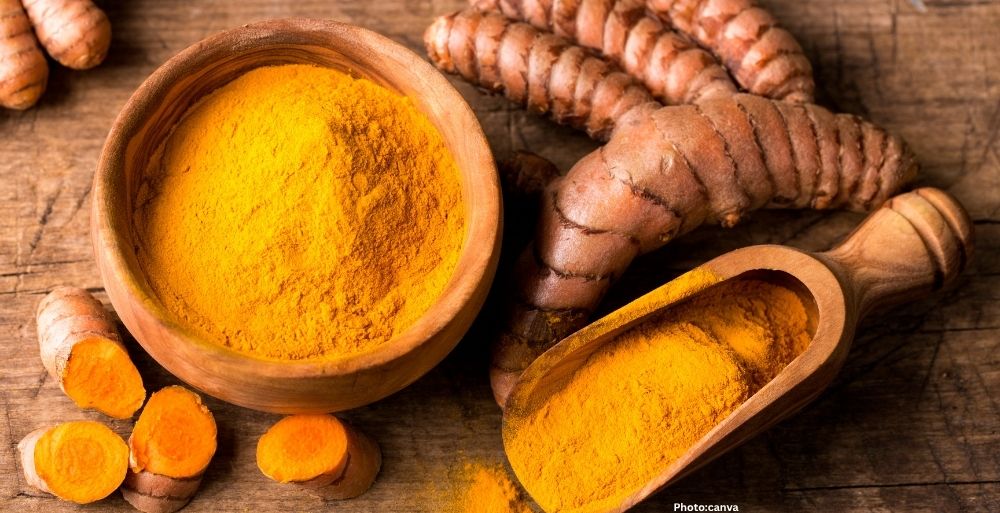
A recent study indicates that raw turmeric from Indian farms contains lead levels well below safety limits, yet emphasizes the urgent need for enhanced monitoring in processing stages to protect consumers from potential contamination.
A comprehensive study conducted by Toxics Link, an environmental research organization based in India, has brought to light significant findings regarding lead contamination in turmeric, a spice integral to both Indian cuisine and traditional medicine. Amid growing concerns following previous reports of lead presence in commercially available turmeric powder, this research suggests that the raw turmeric sourced directly from farms is largely safe, although it raises critical concerns regarding food processing practices and regulatory enforcement.
Research Overview and Methodology
The study analyzed 13 raw turmeric rhizome samples collected from farms across six Indian states: Maharashtra, Telangana, Tamil Nadu, Odisha, Karnataka, and Madhya Pradesh. These samples were examined at a National Accreditation Board for Testing and Calibration Laboratories (NABL)-accredited laboratory using a highly sensitive method designed to detect heavy metals. The results revealed lead concentrations ranging from below the limit of quantification to 1.87 mg/kg. Notably, all samples fell significantly below the Food Safety and Standards Authority of India (FSSAI) maximum permissible limit of 10 mg/kg for turmeric.
These findings align with a growing body of scientific evidence indicating that raw turmeric itself is generally free from significant contamination. Previous studies referenced in the report have linked elevated lead levels in turmeric marketed to consumers to illegal practices, including the addition of lead chromate—a yellow industrial pigment used to enhance the color and marketability of turmeric powder—during the processing stage.
Health Implications of Lead Exposure
Despite the reassuring results regarding raw turmeric, the potential health risks associated with lead exposure remain a pressing public health concern. Dr. Vivek Jain, Senior Director and Unit Head of Pediatrics at Fortis Hospital in Shalimar Bagh, Delhi, articulated the dangers of lead exposure, particularly for vulnerable populations such as children and pregnant women. He remarked, “Lead is a potent neurotoxin that affects nearly every organ in the human body, with children and pregnant women facing the greatest risks. There is no known safe level of lead exposure for children.”
For adults, chronic low-level exposure to lead can result in a variety of health complications, including neurological, renal, and cardiovascular issues. Symptoms may manifest as fatigue, headaches, memory problems, irritability, and digestive disturbances. Dr. Jain emphasized the importance of adults being vigilant about the quality and sourcing of food products, particularly spices that are frequently used in everyday cooking. He noted, “Long-term accumulation of lead in the body can increase the risk of hypertension and kidney dysfunction. Therefore, it is crucial for consumers to be discerning in their choices of food products.”
In children, lead exposure can severely impair brain development, lower IQ levels, and lead to learning disabilities and behavioral issues. Dr. Jain warned that many adverse effects occur without obvious clinical symptoms, making chronic exposure especially dangerous. In extreme cases, lead poisoning can lead to seizures, coma, and even death.
Call for Enhanced Regulatory Oversight
The findings of the Toxics Link study underscore the critical need for improved regulatory oversight within the food supply chain, especially regarding the post-harvest handling of turmeric. While all samples tested in the study complied with FSSAI standards, researchers argue that surveillance must extend beyond cultivation to encompass processing, packaging, and distribution stages. Satish Sinha, associate director at Toxics Link, stated, “The evidence points towards contamination occurring after harvest, making it imperative to strengthen surveillance and regulatory oversight across processing, packaging, and marketing stages.”
To enhance consumer protection, the report advocates for the FSSAI and state food safety authorities to conduct more targeted inspections of processing facilities and implement stringent measures against food adulteration. In addition, it calls for larger multi-state studies that incorporate analyses of soil, irrigation water, agricultural inputs, and processing facilities. These initiatives aim to create a more comprehensive understanding of contamination pathways and improve food safety governance in India.
Broader Implications for Food Safety
The implications of this study extend beyond turmeric, highlighting the broader challenges of food safety in India. As the country grapples with issues of food adulteration and contamination, it becomes increasingly important for regulators and stakeholders in the food processing industry to work collaboratively towards ensuring the safety of food products. The findings advocate for a multi-faceted approach to food safety that not only focuses on agricultural practices but also addresses the critical stages of food processing and distribution.
The call for improved supply chain traceability and stricter enforcement of regulations is particularly timely, given the rising consumer awareness about food safety and quality. As public demand for transparency in food sourcing continues to grow, stakeholders across the agricultural and food sectors must prioritize safety measures that protect consumers from harmful contaminants.
Conclusion
While the Toxics Link study offers some reassurance regarding the safety of raw turmeric at the farm level, it simultaneously highlights the urgent need for regulatory improvements and vigilance throughout the food supply chain. Ensuring that consumers have access to safe and uncontaminated food products is paramount for public health, particularly in a country where spices play a central role in culinary traditions and health practices.





No Comment! Be the first one.