




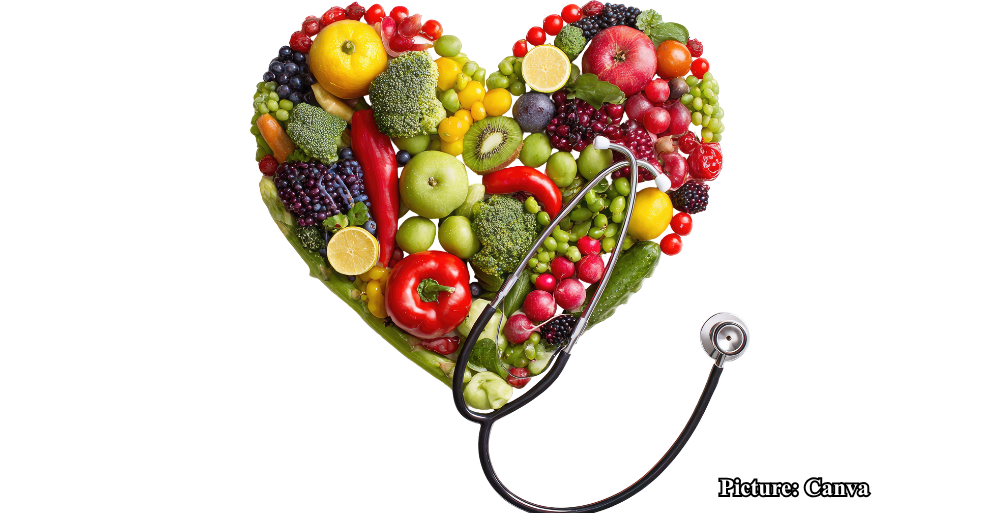
Leading cardiologists recommend incorporating foods such as salmon, arugula, beets, and kale into one’s diet to promote heart health and manage blood pressure effectively.
In a concerted effort to address the rising prevalence of hypertension and its associated health risks, four prominent cardiologists have shared their insights on dietary choices that can significantly enhance cardiovascular well-being. Their recommendations emphasize the importance of certain foods in managing blood pressure and fostering overall heart health.
The Importance of Diet in Cardiovascular Health
Hypertension, or high blood pressure, is a major risk factor for cardiovascular diseases, including heart attacks and strokes. According to the American Heart Association, nearly half of all adults in the United States have high blood pressure, a condition that can often be managed through lifestyle changes, including dietary adjustments. The cardiologists’ focus on specific foods highlights the critical role nutrition plays in maintaining heart health.
Salmon: A Heart-Healthy Protein Source
Dr. Jeffrey Lander, co-director of sports cardiology at RWJBarnabas Health in West Orange, New Jersey, cites salmon as a foundational element of his diet. He points out that salmon is rich in omega-3 fatty acids, which have been linked to several cardiovascular benefits, including modest reductions in blood pressure. Omega-3s are known for their anti-inflammatory properties and their ability to improve heart function.
Dr. Lander explains, “I regularly eat salmon because it’s an easy way to incorporate heart-healthy omega-3 fatty acids into my diet. Beyond blood pressure-lowering, salmon also provides high-quality protein, vitamin D, and B vitamins.” He typically prepares salmon by baking it with olive oil, lemon, garlic, and herbs, pairing it with roasted vegetables and whole grains like quinoa or farro. This preparation not only enhances the dish’s flavor but also ensures a balanced meal rich in essential nutrients.
Arugula: A Leafy Green with Cardiovascular Benefits
Dr. Joseph Diabes, a cardiologist at Northwell’s Lenox Hill Hospital in New York, advocates for arugula as an essential part of his diet. He highlights that arugula is high in dietary nitrates, which the body converts into nitric oxide, a compound that helps relax and dilate blood vessels, thereby improving circulation and potentially lowering blood pressure.
“Arugula has a naturally peppery flavor, so you can make a really flavorful salad without relying on heavy dressings or a lot of added salt,” Dr. Diabes shares. He enjoys arugula in salads, often combining it with roasted beets, goat cheese, and a drizzle of balsamic vinegar or fresh lemon juice. Dr. Diabes notes that if individuals do not prefer arugula, spinach is an excellent alternative, offering similar health benefits.
Beets: Nutrient-Rich and Versatile
Dr. Smadar Kort, system director of non-invasive cardiovascular imaging at Stony Brook Medicine and co-director of the Valve Center at the Stony Brook Heart Institute, includes beets in her regular diet. Although her blood pressure is within normal limits, she values beets for their numerous health benefits, including their high fiber content, folate, potassium, and antioxidants, all of which support vascular and overall cardiovascular health.
“I usually buy beets already cooked, which makes them an easy food to incorporate into my meals regularly,” explains Dr. Kort. She typically follows a Mediterranean diet, often slicing beets into salads with leafy greens, goat cheese, and olive oil. Dr. Kort also enjoys roasting beets and serving them as a side dish. She suggests creating a dedicated beet salad by combining sliced beets, walnuts, parsley, and a dressing of olive oil and balsamic vinegar, showcasing how beets can enhance both nutrition and flavor in meals.
Kale: A Nutrient-Dense Daily Staple
Dr. Christopher Lee, an assistant professor of medicine in the Division of Cardiology at the University of California, San Francisco, incorporates kale into his daily diet due to its rich nitrate content, which supports blood vessel health. Kale is also an excellent source of dietary fiber, beneficial for digestive health.
Dr. Lee states, “I include kale as part of my daily diet. It’s naturally rich in nitrates, which can help relax and widen blood vessels and, in turn, support healthy blood pressure.” He prefers to chop fresh kale and add it to his salads, often seasoning it lightly to allow the vegetable’s natural flavors to shine. This straightforward method makes it easy for him to ensure he consumes this nutrient-dense vegetable regularly.
The Collective Insights of Cardiologists
The collective insights from these cardiologists underscore the significance of nutrition in managing blood pressure and supporting overall cardiovascular health. The foods they regularly consume—salmon, arugula, beets, and kale—not only benefit those with hypertension but also contribute to a wholesome diet conducive to long-term heart health.
As awareness of dietary influences on health continues to grow, these recommendations serve as a practical guide for individuals aiming to enhance their cardiovascular wellness through accessible and nutritious food choices. By prioritizing these heart-healthy foods, individuals can take proactive steps towards managing their blood pressure and reducing their risk of cardiovascular diseases.

No Comment! Be the first one.