




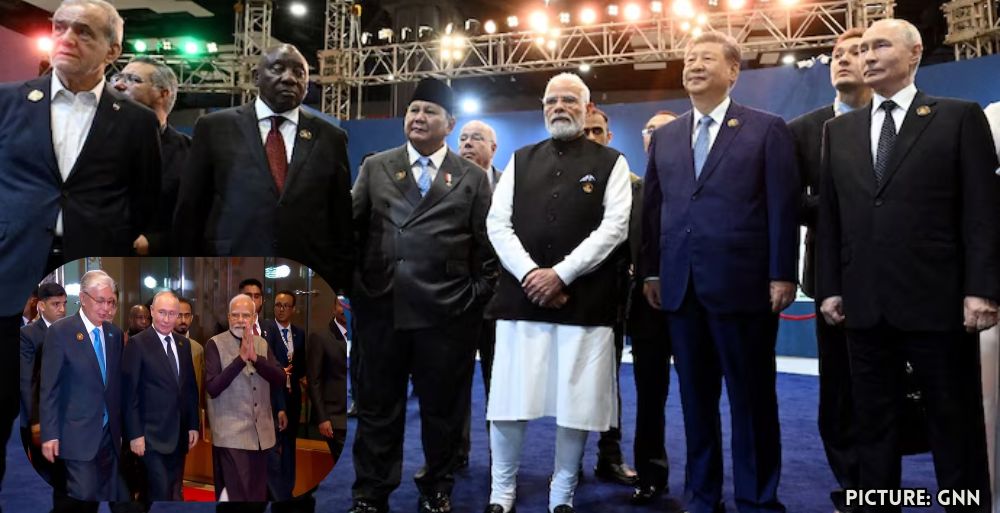
A gala dinner hosted by Prime Minister Narendra Modi for BRICS leaders showcased an all-vegetarian Indian menu, reflecting regional flavors and traditional culinary practices, while a cultural performance highlighted India’s rich heritage.
NEW DELHI: On the evening of Saturday, September 9, 2023, Prime Minister Narendra Modi hosted a gala dinner for leaders of the BRICS nations and other esteemed dignitaries at Bharat Mandapam in New Delhi. This event followed a busy first day of the BRICS Summit, which gathered heads of state from major emerging economies, including Chinese President Xi Jinping and Russian President Vladimir Putin, and underscored India’s growing influence on the global stage.
The gala dinner not only served as a culinary showcase but also aimed to strengthen diplomatic ties among the BRICS countries—Brazil, Russia, India, China, and South Africa. The dinner featured a specially curated all-vegetarian Indian menu that emphasized the diversity of regional flavors and traditional culinary practices, embodying India’s rich gastronomic heritage while promoting cultural values shared among BRICS nations.
Menu Highlights
The evening’s dining experience began with an intriguing appetizer: Khandvi Mille-Feuille, a delicate gram-flour roll seasoned with mustard, coconut, and curry leaves, accompanied by Kesar mango and micro-greens. Guests also enjoyed Khumb Galouti, a tender pan-grilled mushroom kebab served on a bed of sheermal bread, garnished with mint pearls.
The main course featured several standout dishes, including Paneer Lababdar, which consists of soft cottage cheese cubes simmered in a rich shallot and tomato gravy. Another highlight was Gucchi Marmik, a dish made from Himalayan morel mushrooms and tender asparagus, gently simmered with saffron, raisins, and mamra almonds, which showcased the luxurious flavors of Indian cuisine.
Additional offerings included Carrot Bean Poriyal, a South Indian dish made with carrots and green beans toasted in hand-pressed virgin coconut oil, and Thakkali Belle Saaru, a light lentil broth enriched with fresh tomatoes and aromatic curry leaves. The meal was complemented by Millet Pulao, a Beetroot Raita, and an assortment of traditional Indian breads, reflecting the culinary diversity of the nation.
For dessert, attendees were treated to Old Delhi Fruit Cream with Jalebi, which paired seasonal fruits and lightly whipped cream with a crispy sweet fritter. Another sweet offering was Shahtoot Phirni, a slow-cooked pudding made from milk and rice topped with sweet mulberries and edible gold leaf, representing the luxuriousness of Indian sweets.
Cultural Performance
The dinner was accompanied by a cultural performance titled ‘Brics Symphony,’ featuring around 160 artists, including Indian dancers and musicians. This performance highlighted classical Indian dance forms such as Bharatanatyam, Kuchipudi, Odissi, and Kathak, showcasing the richness of Indian cultural heritage and the diversity of artistic expressions from other BRICS nations.
The ensemble, coordinated by the Indian Council for Cultural Relations (ICCR), was expected to last approximately 20 to 25 minutes, interspersed with both dance and vocal renditions. Such cultural exchanges play a vital role in fostering goodwill and understanding among the member countries.
Context of the BRICS Summit
The lavish gala dinner followed a packed first day of the BRICS Summit, during which leaders engaged in discussions on pressing global issues and adopted a New Delhi Declaration. This declaration marks a pivotal moment in the ongoing dialogue surrounding global governance reform, an initiative led by Prime Minister Modi.
During the summit, Modi unveiled a 10-point roadmap aimed at reforming global governance structures, emphasizing the necessity for a ‘Seafarers’ Emergency Support Network’ to protect sailors facing heightened risks due to geopolitical tensions and regional crises. This initiative reflects India’s increasing commitment to global maritime security and humanitarian assistance.
Earlier in the day, Modi and the visiting leaders visited the Bharat Innovates Exhibition at the Bharat Mandapam complex, showcasing innovations from Indian startups and technology firms. They also participated in a tree-planting program on the convention center’s lawns, symbolizing a collective commitment to sustainability and environmental stewardship.
India, which assumed its fourth term as chair of BRICS on January 1, 2026, is guiding the group under the theme ‘Building for Resilience, Innovation, Cooperation, and Sustainability.’ This year also marks the 20th anniversary of BRICS’ establishment, highlighting the bloc’s evolution and its role in shaping global economic and political discourse.
The BRICS Summit serves as a crucial platform for member countries to address a wide range of issues, including trade, security, and climate change, while promoting cooperation among emerging economies. The emphasis on traditional cuisine and cultural performance during the gala dinner underscores the significance of cultural diplomacy in enhancing ties among these nations.
As global dynamics shift, the importance of BRICS in advocating for the interests of developing countries becomes increasingly vital. The New Delhi Declaration reflects a collective push for reforms in international institutions, including a call for greater representation for developing nations within the United Nations Security Council, a subject of considerable debate in the international community.
The event not only celebrated culinary excellence but also represented a strategic diplomatic maneuver, reinforcing the cultural and political connections among BRICS nations amid a rapidly changing geopolitical landscape. As these countries navigate their roles on the global stage, such gatherings will play an essential role in fostering dialogue, collaboration, and mutual understanding.




No Comment! Be the first one.