





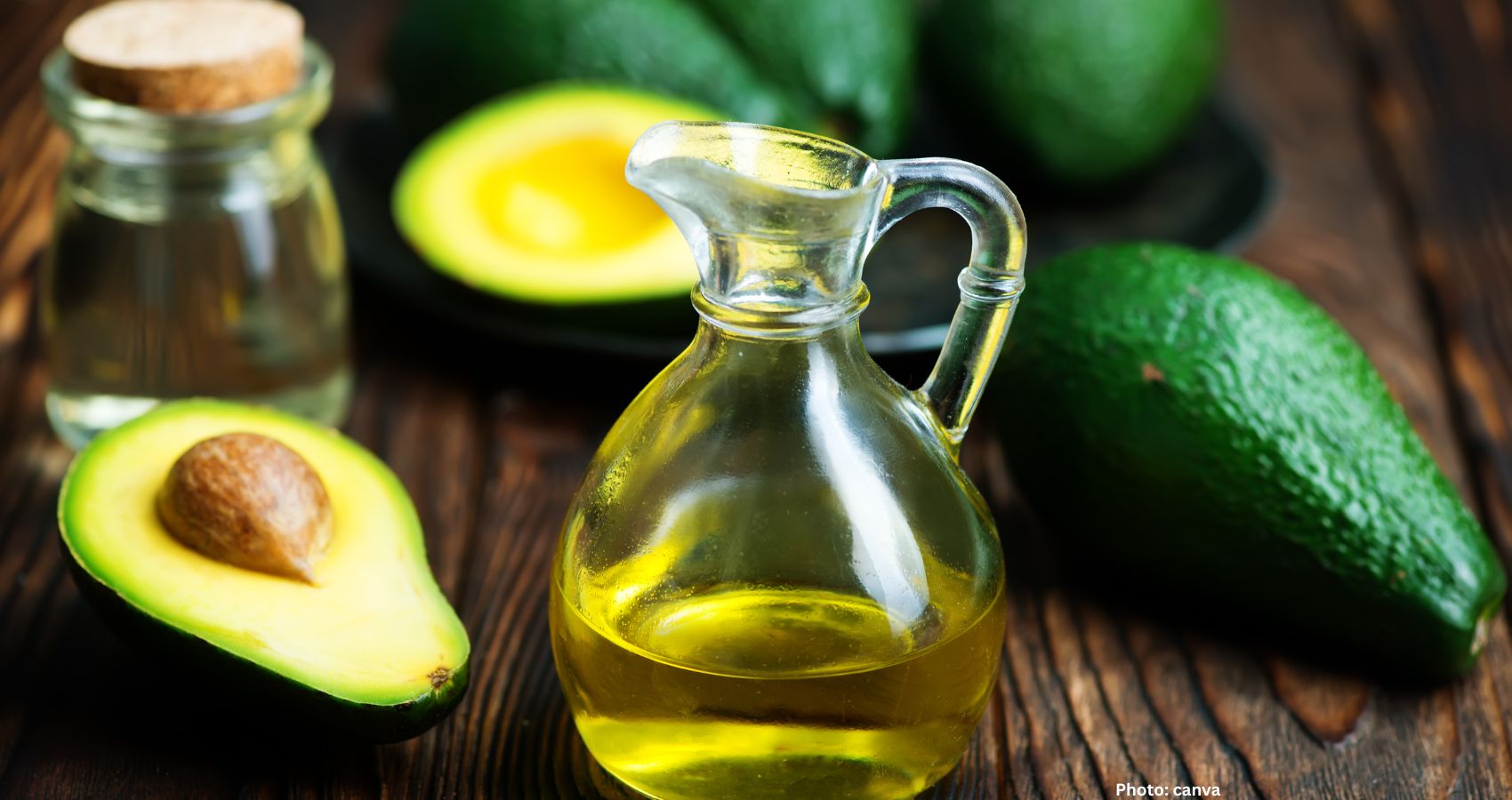
Olive oil has long been recognized as a cornerstone of the Mediterranean diet, but avocado oil is gaining traction for its unique health benefits. This article explores the nutritional profiles of both oils and their roles in a healthy eating pattern.
The Mediterranean diet, frequently heralded as one of the healthiest dietary patterns globally, emphasizes the consumption of healthy fats, with olive oil traditionally taking center stage. Recent discussions have spotlighted avocado oil as an alternative that offers similar health benefits, prompting nutrition experts to evaluate the merits of both oils in this dietary framework.
Overview of Olive Oil’s Role in the Mediterranean Diet
Olive oil, particularly extra-virgin olive oil (EVOO), has been extensively studied for its health benefits, which include a reduced risk of chronic diseases such as cardiovascular ailments and diabetes. Zoe Miller, a registered dietitian nutritionist (RDN), highlights the longstanding research that supports olive oil’s place in the Mediterranean diet, stating, “Olive oil is one of the pillars of the Mediterranean diet, especially extra-virgin olive oil, which is used for everything from cooking to dressings to dips. It’s the primary source of fat in this diet, and the health benefits are truly outstanding.” Studies have linked regular consumption of EVOO to lower levels of LDL cholesterol, improved blood pressure, and better blood sugar control, making it an integral component of chronic disease prevention strategies.
Nutritional Composition of Olive Oil
One of the key components of olive oil is its high concentration of polyphenols, which are naturally occurring antioxidants that provide anti-inflammatory benefits. Hydroxytyrosol, a specific type of polyphenol found in olive oil, has garnered attention for its potential to reduce oxidative stress and inflammation, thus contributing to improved heart and brain health. This supports findings from a 2025 review indicating that a Mediterranean diet enriched with olive oil significantly enhances markers of vascular function compared to low-fat diets.
Avocado Oil: A Nutritional Comparison
While avocado oil is not traditionally a component of the Mediterranean diet, it shares similar nutritional characteristics with olive oil. Both oils are rich in monounsaturated fats, particularly oleic acid, which is known for its heart-health benefits. Mascha Davis, M.P.H., RDN, notes that avocado oil can be a viable alternative due to its high content of polyphenols and vitamin E, which also contribute to oxidative stress reduction. A 2024 review has highlighted the presence of bioactive compounds in avocado oil, including phytosterols, which play a crucial role in promoting cardiovascular health.
Unique Benefits of Avocado Oil
Avocado oil distinguishes itself from olive oil through its unique nutrient composition, particularly its high levels of carotenoids, including lutein. Lutein is essential for eye health, providing antioxidant properties and filtering blue light, which can diminish the risk of age-related macular degeneration. Furthermore, because carotenoids are fat-soluble, they are more effectively absorbed when consumed with avocado oil compared to other oils. Additionally, avocado oil has a higher smoke point of approximately 520°F, significantly exceeding that of EVOO, which is around 375°F. Davis suggests using avocado oil for high-heat cooking methods such as searing and roasting, where maintaining the oil’s integrity is essential.
Evaluating Olive Oil vs. Avocado Oil
When considering which oil is superior for the Mediterranean diet, experts generally agree that olive oil retains a slight advantage due to its extensive research backing and established health benefits. Davis emphasizes, “Olive oil remains the tried-and-true, and scientifically validated, star of the Mediterranean diet.” Nevertheless, avocado oil is recognized as a complementary option rather than a competing substitute. Miller adds, “Both olive oil and avocado oil have similar healthy fats and antioxidants, so they can both fit within the Mediterranean diet.” This perspective suggests that utilizing olive oil for dressings and light cooking while reserving avocado oil for high-heat applications allows consumers to leverage the benefits of both oils effectively.
Practical Applications in the Kitchen
To maximize the health benefits of both oils, consumers can incorporate them into their cooking and meal preparation in various ways. Olive oil is ideal for dressings and dips; for instance, it can be drizzled over salads or used as a base for sauces like hummus or chimichurri. Conversely, avocado oil’s high smoke point makes it suitable for roasting vegetables, searing proteins, or stir-frying, where its neutral flavor can also enhance dishes without overpowering them. Both oils can also be used in baking as substitutes for butter or other neutral oils, adding moisture and healthy fats to baked goods. Additionally, finishing cooked pasta or grain bowls with a drizzle of either oil can enrich the meal, enhancing both flavor and nutritional value.
In conclusion, both olive oil and avocado oil serve as excellent sources of monounsaturated fats and antioxidants that support heart health and combat inflammation. While olive oil holds a historically established role in the Mediterranean diet, avocado oil offers unique benefits that can complement a balanced diet. Rather than choosing one over the other, incorporating both oils into daily culinary practices may provide optimal health benefits.






No Comment! Be the first one.