



Functional Resistance Training Offers Safer Path to Restoring Core Strength and Balance for Adults Over 60

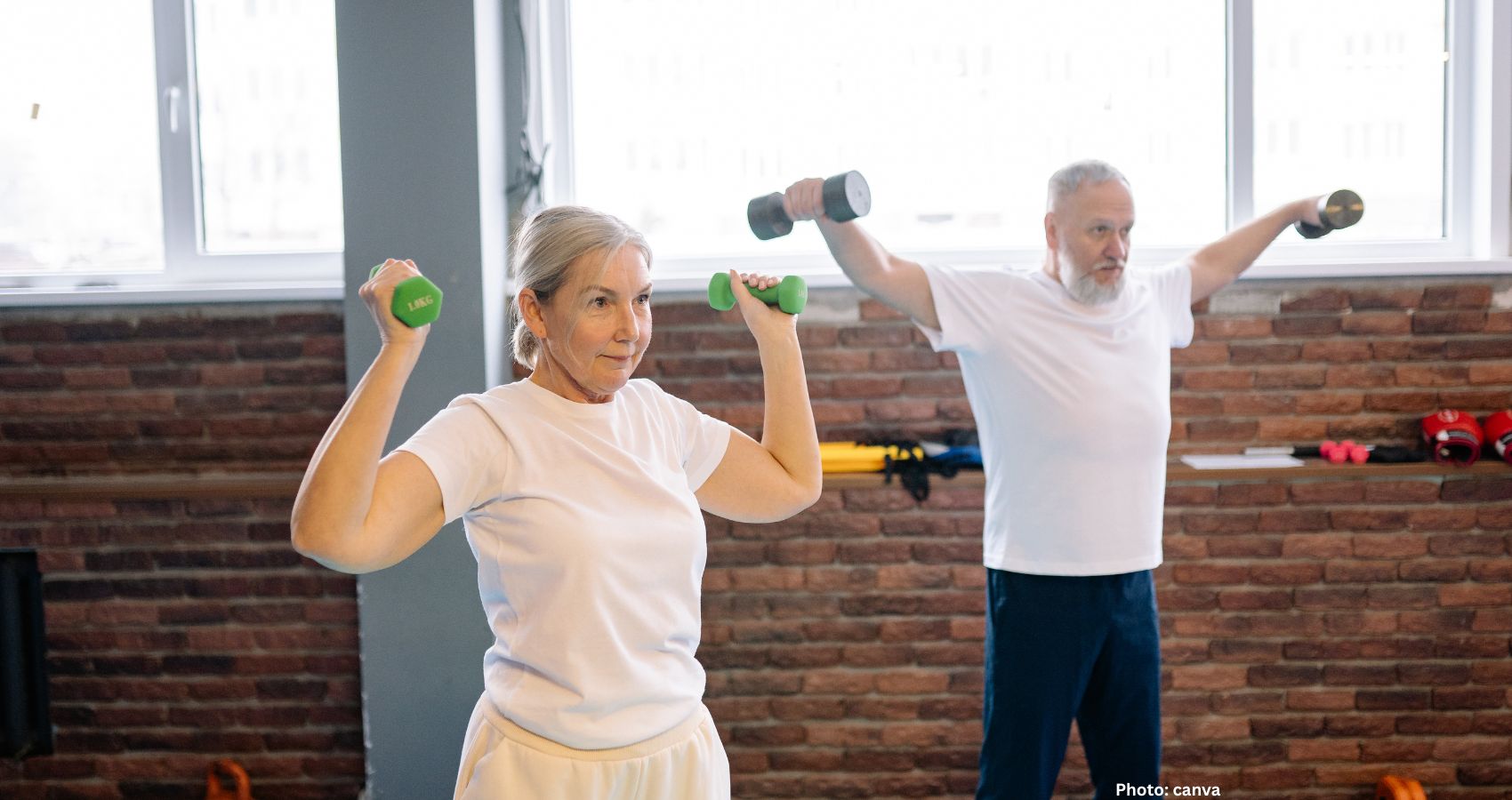
Traditional high-intensity core exercises and ballistic weightlifting movements often present significant injury risks for aging populations, prompting physical therapists and senior fitness specialists to shift toward standing resistance protocols. For adults over 60, rebuilding structural stability, mitigating chronic lower back discomfort, and improving balance can be achieved more safely through multi-joint, anti-rotational exercises rather than traditional floor-based abdominal work or heavy, dynamic kettlebell routines. By utilizing controlled movements like goblet squats, Pallof presses, and single-arm carries, older adults can effectively develop functional midsection strength that directly translates to improved mobility, better posture, and a reduction in fall risks during routine daily activities.
WASHINGTON — As the demographic share of older Americans continues to grow, fitness professionals and geriatric sports medicine clinicians are reevaluating standard exercise prescriptions for core rehabilitation. While ballistic exercises such as heavy kettlebell swings are frequently popularized for building power and hip snap, emerging clinical consensus suggests they may not represent the optimal starting point for adults over 60 seeking to restore core strength.
Ballistic movements demand an intricate synthesis of timing, rapid coordination, grip strength, and immediate abdominal bracing. When any single component of this kinetic chain fails, the physiological load invariably shifts to the lumbar spine, increasing the incidence of lower back strain. Conversely, standing functional core work offers a controlled alternative, training the midsection through anti-rotation drills, asymmetric carries, and compound structural lifts that mirror the physical demands of daily independent living.
The Biomechanics of Aging and Core Stability
With advancing age, the human body undergoes predictable musculoskeletal changes, including sarcopenia—the gradual loss of muscle mass and function—and a reduction in spinal disc hydration. These physiological shifts alter posture and degrade static and dynamic balance, elevating the statistical risk of falls, which remain a leading cause of injury among Americans aged 65 and older. According to data from the Centers for Disease Control and Prevention (CDC), millions of older adults fall each year, resulting in significant medical expenditures and a loss of independence.
To combat these trends, conventional fitness programs historically relied on floor-based abdominal exercises, such as crunches or leg raises. However, orthopedic specialists increasingly note that repetitive spinal flexion can exacerbate degenerative disc disease and place undue stress on the cervical and lumbar vertebrae.
Standing core training shifts the paradigm by requiring the musculature of the trunk to function exactly as it does in everyday life: as a stabilizing bridge between the upper and lower body. The core’s primary anatomical role is not to flex the spine, but rather to resist unwanted motion, transfer force, and protect the central nervous system. Engaging in upright resistance training forces the rectus abdominis, obliques, transversus abdominis, and erector spinae to brace against gravity, rotational forces, and uneven loads. This holistic activation builds a midsection capable of supporting the hips, stabilizing the pelvis, and preventing the structural micro-shifts that lead to chronic musculoskeletal pain.
Analytical Breakdown of Six Core Protocols for Older Adults
To systematically rebuild this foundational strength without exposing the spine to excessive shear stress, fitness practitioners utilize six core standing movements. These exercises are selected for their low joint impact, high muscular recruitment, and direct transferability to daily tasks.
| Exercise | Primary Muscles Targeted | Key Functional Benefit | Recommended Prescription |
| Goblet Squat | Quadriceps, Glutes, Hamstrings, Deep Core | Supports sitting, standing, and lifting objects from the ground. | 3 sets of 8–12 reps; 60s rest |
| Pallof Press | Core, Obliques, Shoulders, Glutes | Trains the trunk to resist rotation and maintain balance when pulled off-center. | 3 sets of 10–12 reps per side; 45s rest |
| Suitcase Carry | Obliques, Deep Core, Grip, Shoulders | Replicates carrying unilateral loads like groceries or luggage. | 3 carries of 30–45s per side; 45s rest |
| Dumbbell Woodchopper | Obliques, Core, Shoulders, Glutes | Improves controlled rotational power used in yard work and sports. | 3 sets of 8–10 reps per side; 45s rest |
| Single-Arm Press | Shoulders, Triceps, Core, Upper Back | Develops asymmetric overhead stability and posture. | 3 sets of 8–10 reps per side; 60s rest |
| Dumbbell March | Core, Hip Flexors, Glutes, Calves | Enhances single-leg stability and safety while climbing stairs. | 3 sets of 10–12 reps per leg; 45s rest |
Deep Dive into Structural Movement Patterns
1. The Goblet Squat
The goblet squat serves as a foundational movement pattern that addresses both lower-body sarcopenia and anterior core weakness. By holding a dumbbell or kettlebell anteriorly at the chest, the center of mass is shifted forward. This load placement forces the deep stabilizer muscles of the core to fire continuously to prevent the thoracic spine from collapsing into flexion.
To execute the movement safely, individuals stand with feet shoulder-width apart, brace the abdomen as if anticipating an impact, and lower the hips backward and down, keeping the chest upright. Returning to the starting position requires driving through the entire foot, activating the gluteal complex and quadriceps. This sequence directly reinforces the mechanical pathways required to rise from a standard chair or ascend a flight of stairs without relying on external handrails.
2. The Pallof Press
Antirotational strength is a critical buffer against sudden balance disruptions. The Pallof press isolates this function by utilizing a lateral resistance band or cable apparatus. Standing perpendicular to the resistance anchor, the individual holds the handle at chest height and presses it directly forward.
As the lever arm extends, the rotational torque pulling the torso toward the anchor increases exponentially. The obliques and transversus abdominis must contract isometrically to prevent the torso from twisting. Clinical variations include the half-kneeling Pallof press and the overhead Pallof press, both of which alter the base of support to further challenge neurological coordination. Maintaining a square posture during this drill conditions the body to remain upright when subjected to lateral forces, such as being bumped in a crowded environment.
3. The Suitcase Carry
The suitcase carry introduces unilateral loading, a common real-world scenario encountered when hauling groceries, tools, or luggage. By holding a weight in only one hand while walking, the contralateral (opposite side) obliques and quadratus lumborum must work under high tension to keep the pelvis and shoulders level.
This exercise simultaneously addresses grip strength, which longitudinal epidemiological studies have repeatedly linked to overall longevity and lower cardiovascular mortality rates in aging populations. Correct form dictates maintaining a slow, deliberate stride, ensuring the shoulder blades remain retracted and depressed, and avoiding any lateral leaning toward or away from the weighted side.
4. The Dumbbell Woodchopper
While resisting rotation is vital, controlled rotational movement is equally necessary for tasks such as golfing, gardening, or reaching across the body. The dumbbell woodchopper introduces a diagonal rotational plane under strict muscular control, avoiding the high-velocity forces that make kettlebell swings risky for compromised joints.
Starting with a single dumbbell held outside one hip, the individual rotates the weight diagonally across the torso, finishing above the opposite shoulder. Crucially, the movement must be driven by pivoting the back foot and rotating through the hips and thoracic spine, rather than twisting the vulnerable lumbar vertebrae. This synchronized motion ensures that the core guides the weight, preventing momentum from dictating the path of travel.
5. The Single-Arm Dumbbell Press
Overhead reaching represents a frequent point of failure for shoulder mechanics and spinal alignment in older adults. The single-arm dumbbell press challenges the body by placing an asymmetric load above the shoulder.
To press the weight successfully without tipping sideways or hyperextending the lower back, the internal and external obliques must lock the ribcage down to the pelvis. This exercise builds overhead muscular endurance in the deltoids and triceps while teaching the core to maintain structural integrity under uneven, vertical stress. Variations like the neutral-grip press help accommodate individuals with pre-existing shoulder impingement syndromes.
6. The Dumbbell March
The dumbbell march targets single-leg stability, hip flexor strength, and balance. While holding weights either at the sides or in a front-rack position, the individual slowly lifts one knee toward the chest, pauses briefly in a single-leg stance, and lowers it with control before alternating sides.
This deliberate tempo eliminates momentum and forces the core to stabilize the pelvis during the transient phase when only one foot is in contact with the ground. Improving single-leg tracking directly mitigates trip-and-fall hazards, offering older adults greater security when stepping over obstacles, navigating uneven terrain, or climbing steep stairs.
Shifting the Geriatric Fitness Paradigm
The medical and financial implications of preventative exercise programming for seniors are substantial. Chronic lower back pain is one of the most prevalent and costly conditions affecting older adults, often leading to over-reliance on pharmaceutical interventions, reduced physical activity, and subsequent cardiovascular decline. By shifting focus away from high-velocity, ballistic exercises and isolated floor crunches, standing core protocols offer an entry point to physical resilience that respects the physiological realities of the aging skeleton.
For public health entities and fitness directors organizing senior wellness initiatives, prioritizing these six standing resistance movements can reduce injury rates associated with exercise adoption. Ultimately, core training for adults over 60 is not about aesthetics or high-velocity athletic performance; it is about establishing a functional, reliable midsection that protects the spine, preserves balance, and extends the window of independent living.


No Comment! Be the first one.