





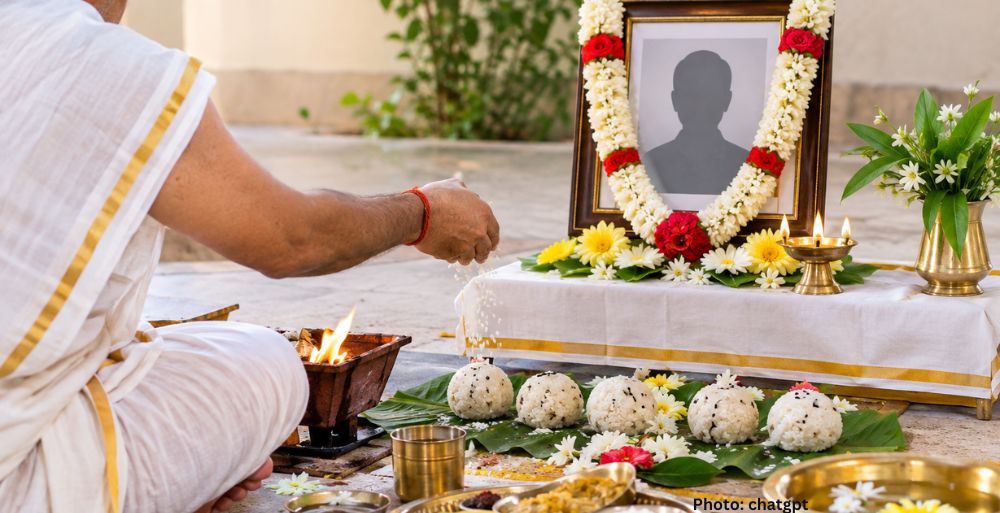
Shradh serves as a time for remembrance and reflection, emphasizing the importance of our actions and the spiritual legacy we create as we honor those who have passed.
SHRADH, a traditional observance in various cultures, particularly in Hinduism, has profound spiritual significance as it emphasizes the connection between the living and the departed. This period is not merely a time for commemorating those who have left their physical bodies; it also serves as an opportunity for introspection and self-reflection. It prompts individuals to consider the legacy of actions—known as ‘karmas’—and impressions, or ‘sanskaras,’ that they are cultivating in their current lives.
The Purpose of Shradh
The core of Shradh revolves around the belief that while material possessions, relationships, and even the physical body remain behind after death, the sanskaras and karmas accumulated throughout one’s life continue with the soul. Therefore, it becomes imperative for individuals to release negative emotions such as hurt and resentment to achieve a lighter and more peaceful existence. This introspective practice urges individuals to contemplate the qualities they wish to carry into their subsequent lives.
Reflecting on the Soul’s Journey
During the observance of Shradh, individuals are encouraged to ponder the nature of the soul’s journey after death. The belief here is that, contrary to common assumptions, one does not leave everything behind. Instead, what travels with the soul are the karmas and sanskaras developed over time. For instance, the differing personalities of siblings born to the same parents can be attributed to the sanskaras they bring from previous existences. This notion underlines the importance of the actions and thoughts we engage in today, as they shape our future selves.
Preparing for Future Lives
As individuals navigate their lives, they often invest considerable energy in preparing for material success, such as accumulating wealth and property, while neglecting the preparation of their souls for the future. Shradh serves as a poignant reminder that, like those we honor, each person will eventually depart from this world. The question remains: are we ready to move on with unencumbered souls? The observance encourages participants to reflect on whether they are holding onto anger, resentment, or attachments that could hinder their spiritual evolution.
The Importance of Letting Go
In the context of loss, people frequently contemplate what the deceased may have taken with them. However, true detachment transcends mere moments of sorrow; it becomes a lifestyle choice. The emotional baggage individuals carry, including grudges and past grievances, can weigh heavily on the soul. An illustrative story highlights how a woman’s attachment to a simple craving for ‘Gol Gappe’ (a popular snack) prevented her from moving on. Such anecdotes emphasize the necessity of freeing oneself from attachments, both significant and trivial, to ensure that the soul is light and unburdened when the time comes to depart.
Cleaning the Soul in Preparation for Navratri
As the auspicious festival of Navratri approaches, it presents a timely opportunity for individuals to cleanse their sanskaras and reflect on their emotional states. This period is ideal for releasing past hurts and conflicts. Engaging in forgiveness and fostering a mindset of gratitude are crucial components of this cleansing process. The philosophy underlying these practices resonates with the belief that holding onto negativity serves only to harm oneself. Instead, letting go can be a simple yet powerful act, initiated by a conscious decision to release the past.
Practical Steps for Spiritual Preparation
To facilitate this spiritual preparation, individuals are encouraged to adopt practices that foster reflection and release:
- Reflect on Current Sanskaras: Consider the habits and behaviors being developed today that one would wish to carry into future lives.
- Let Go of Resentments: Understand that holding onto grudges ultimately harms oneself and take steps to release them.
- Daily Reflection: Spend time each day contemplating the type of soul one aspires to be now and in the future.
- Practice Forgiveness and Gratitude: These practices are vital for maintaining a peaceful and light soul.
- Prepare for Navratri: Focus on purity, love, and peace to cleanse the mind and soul in preparation for the upcoming festival.
Ultimately, Shradh serves as a multifaceted observance that not only honors the departed but also encourages the living to engage in meaningful self-reflection and spiritual preparation. By embodying the principles of forgiveness and gratitude, individuals can ensure that their souls remain light and peaceful, ready for the next chapter of their spiritual journey.

No Comment! Be the first one.