




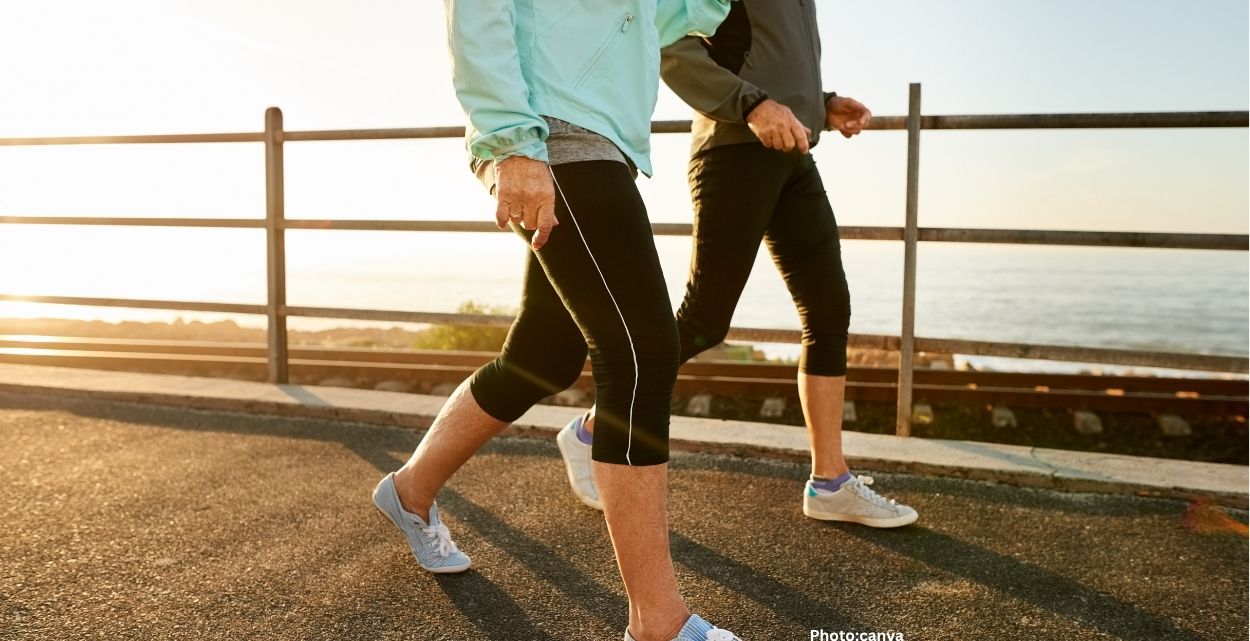
A recent analysis suggests that while the ‘runner’s high’ is a well-known phenomenon among long-distance runners, similar feelings of euphoria and reduced anxiety can also be achieved through dancing, highlighting the importance of passion in exercise.
The New York City Marathon in 2026 showcased the remarkable endurance and dedication of long-distance runners, a testament to the physical and mental fortitude required for such events. Among the many rewards of this grueling activity is the phenomenon commonly referred to as a ‘runner’s high.’ This emotional state, characterized by feelings of euphoria, decreased anxiety, and heightened pain tolerance, has been the subject of scientific inquiry (Weiermair et al., 2024). However, as the popularity of various forms of exercise and dance continues to rise, a pertinent question arises: Is it necessary to engage in long-distance running to experience these positive sensations, or can alternative forms of physical activity, such as dancing, also provide similar benefits?
The Biochemical Basis of Euphoria
The biochemical underpinnings of both the ‘runner’s high’ and what can be termed a ‘dancer’s high’ reveal that these states of euphoria are driven by similar biological mechanisms. Initially, the release of endorphins was thought to be the primary contributor to these feelings. However, recent studies indicate a more complex interplay involving the endocannabinoid system, which plays a significant role in regulating mood and cognitive function (Capodice & Kaplan, 2021). This system, along with neurotransmitters like dopamine and serotonin, contributes to feelings of happiness and motivation during physical exercise (Bhattacharya et al., 2023).
The Role of Passion in Physical Activity
In addition to the physiological responses elicited by exercise, the concept of passion must be considered. According to the Dualistic Model of Passion, individuals who engage in activities they love and value experience a profound sense of joy and fulfillment (Padham & Aujla, 2014). In the context of marathon running, studies have indicated that harmonious passion correlates with increased well-being among participants (Hanson et al., 2024). Similarly, the passion associated with dancing can enhance resilience and self-confidence, leading to a deeper emotional connection to the activity.
Despite the benefits of running, many individuals find the prospect of running for extended periods daunting. Research indicates that only 69-77% of runners report experiencing a ‘runner’s high’ at some point in their running journey (Siebers et al., 2023). Moreover, the immediate aftermath of a long run often includes feelings of fatigue and soreness, which can deter individuals from maintaining a consistent running routine. In contrast, dance offers a unique blend of physical exercise and creative expression, which may be more appealing and less intimidating for some.
Creative Expression and Its Benefits
Dance encompasses a myriad of styles, each catering to different preferences and fitness levels. From hip-hop to ballet, the rhythmic movement and musicality inherent in dance can elevate mood and satisfaction without the strain often associated with traditional workouts. This creative outlet not only provides physical benefits but also fosters emotional and psychological well-being. Engaging in dance can stimulate various brain regions, enhancing the reward system through the combination of music and movement.
Having participated in dance for many years, the personal experience of attending a ballet class illustrates the tranquility and focus that physical activity can evoke. The practice encourages a flow state, wherein individuals become fully immersed in the present moment, which is essential for mindfulness and overall mental health. The lasting benefits of such engagement include improved self-awareness and confidence.
The Social Aspect of Dance
Another significant advantage of dance is the sense of community it fosters. Classes and partner dancing create opportunities for social interaction, which can enhance emotional well-being through the release of oxytocin, often referred to as the ‘feel-good’ hormone (Yamashita et al., 2025). While group running can offer similar benefits, many runners prefer solitary activities, which may not provide the same social connections as dance.
Furthermore, the collaborative nature of dance not only enriches the experience but also builds emotional catharsis within a community setting. The shared goal of creating beauty and artistry contributes significantly to individual and collective well-being, fostering an environment where participants can thrive.
Ultimately, whether one prefers running or dancing as a means of physical expression, both activities cater to a fundamental human desire for movement and holistic wellness. Engaging in activities that resonate with personal passions can effectively mitigate stress and anxiety while promoting physical health. The euphoric sensations associated with a ‘runner’s high’ or a ‘dancer’s high’ serve as additional rewards for those who embrace their chosen forms of exercise, particularly on days when motivation might wane.


No Comment! Be the first one.