





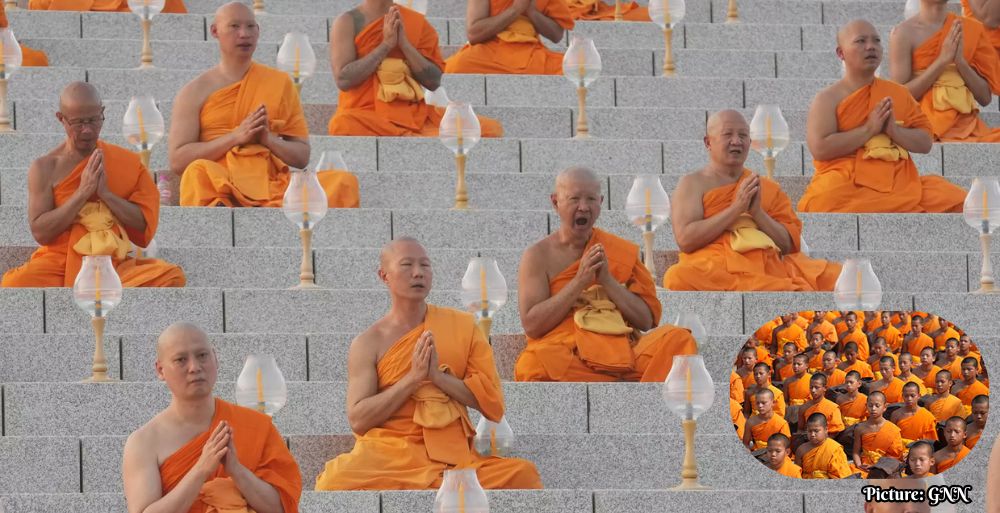
The daily practices of Buddhism in Thailand encompass rituals, merit-making, and community connections with monks, revealing a multifaceted tradition that extends beyond the meditation often highlighted in Western interpretations.
Bangkok, Thailand – In a recent educational program designed to deepen understanding of Buddhist life, participants from North America and Europe explored the varied practices of Buddhism as it is lived daily in Thailand. This immersion highlighted practices that extend far beyond the meditation and mindfulness commonly associated with Buddhism in the West.
Dr. [Author’s Name], a scholar of contemporary Thai Buddhism and author of the book *Living Theravada*, emphasized that while meditation holds significant importance for many practitioners, the essence of Buddhism in Thailand is rooted in a rich tapestry of rituals, community engagement, and moral conduct. This report delineates three primary ways in which Buddhism shapes daily life in Thailand.
Merit-Making as a Core Practice
One of the most central aspects of Buddhist practice in Thailand is merit-making, which involves performing good deeds that are believed to generate positive karma. This act is foundational to the belief system, as it not only impacts one’s current life but also influences future rebirths.
Common merit-making activities include monetary donations to temples, which are a straightforward way to contribute to the community and support the monastic community. In Thai temples, engaging in merit-making can take many forms, often designed to be interactive and enjoyable. For instance, worshippers may place gold leaf on specific parts of a Buddha statue, seeking help or healing in areas of their lives that resonate with their personal experiences.
Another popular activity is the ritual purification of the *chedi*, a large monument housing sacred relics. Participants fill a container with blessed water that is hoisted to the top of the *chedi*, symbolically cleansing the structure as the water is released. This act serves both a communal function and a personal one, as individuals often find ways to connect their merit-making to their own aspirations and circumstances.
Additionally, making offerings to Buddha statues representing the days of the week is a common practice. Individuals born on a specific day will often present offerings to the corresponding statue, thus personalizing their merit-making experience. For example, those born on a Friday may offer donations to the statue that signifies that day, reinforcing the connection between personal identity and spiritual practice.
The Role of Monks in Community
The relationship between lay Buddhists and monks is a vital aspect of Theravada Buddhism, characterized by a reciprocal exchange of support and guidance. Laypeople offer alms to monks, who in turn provide spiritual teachings and insight. This relationship is built on the belief that monks, through their dedication to the monastic life, accumulate merit which they can share with the community.
However, this bond can face challenges. The COVID-19 pandemic significantly disrupted traditional practices, as fears of contracting the virus led to reduced attendance in temples. This resulted in monks struggling to receive alms and maintain connections with their communities. The pandemic underscored the vulnerability of this relationship and highlighted the importance of physical presence in the practice of Buddhism.
Moreover, the integrity of monks is crucial to their role; any breach of their vows can lead to loss of faith among laypeople. A notable incident in 2022 involved a prominent monk whose extramarital affair raised concerns about the commitment of younger monks to their vows of celibacy, prompting a broader discussion about the expectations placed on monastic figures.
Rituals and Aspirations
While the ultimate goal of Buddhism is enlightenment or nirvana, many practitioners in Thailand focus their spiritual efforts on more immediate desires, such as career advancement, financial stability, or personal relationships. This distinction reflects a pragmatic approach to spirituality, where individuals seek blessings for tangible outcomes.
Thai temples often feature not only Buddhist icons but also representations of Hindu deities, such as Ganesha and Brahma, who are believed to assist with worldly needs. These deities are integrated into various rituals where worshippers promise offerings—like hard-boiled eggs or flower garlands—if their wishes are fulfilled. Such practices illustrate how Buddhism in Thailand is interwoven with local beliefs and cultural traditions, creating a unique spiritual landscape.
Ultimately, the educational program provided participants with insights into how deeply integrated Buddhism is in the everyday lives of Thai people. Moving beyond the individual pursuit of meditation, the program revealed how communal practices, merit-making, and rituals foster a sense of belonging and collective identity among practitioners. The experiences gained during this program exemplified the multifaceted nature of Buddhism as it thrives in contemporary society.





No Comment! Be the first one.