





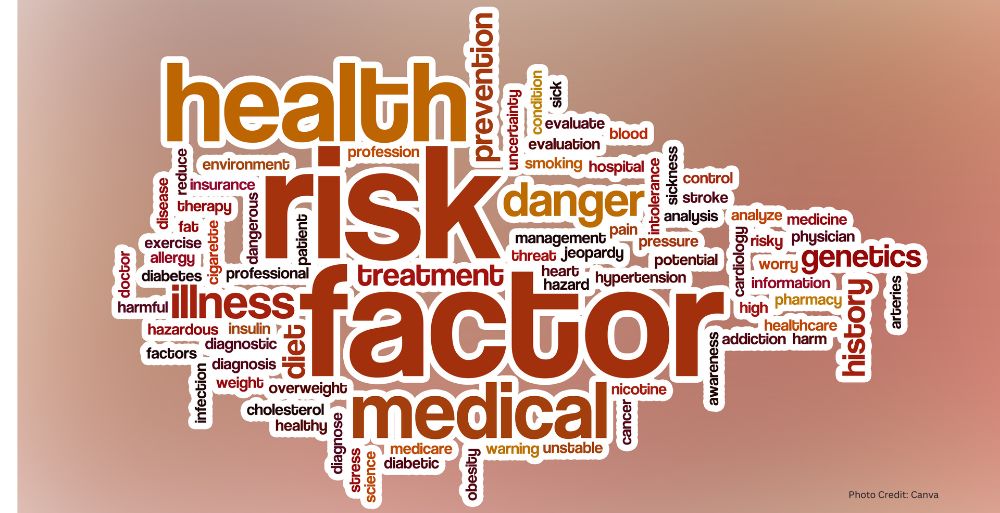
As individuals age, the prevalence of chronic diseases rises significantly, with more than 90% of older adults affected by at least one condition. Awareness and proactive health measures can mitigate these risks.
As people reach the age of 50 and beyond, the likelihood of developing chronic health conditions escalates. According to recent studies, over 90% of older adults in the United States are living with some form of chronic disease, and nearly 80% contend with multiple ailments. This data underscores the pressing need for increased health awareness and proactive management strategies among this demographic.
High Blood Pressure: A Common Concern
High blood pressure, or hypertension, is particularly prevalent among older adults. Approximately two-thirds of individuals aged 60 and older are diagnosed with this condition, which can lead to serious cardiovascular issues if left untreated. Contributing factors include age-related changes in blood vessel elasticity, lifestyle choices, and weight management. Medical professionals recommend regular monitoring of blood pressure and encourage lifestyle adjustments such as maintaining a healthy diet, exercising regularly, quitting smoking, and managing stress.
Diabetes and Its Complications
Diabetes is another significant health concern for those over 50, with roughly 10% of Americans affected by this condition. The risk of developing diabetes increases with age, and if not managed properly, the disease can lead to severe complications, including heart disease, kidney damage, and vision impairment. Regular consultations with healthcare providers regarding blood sugar levels are essential for early detection and management.
Heart Disease: A Growing Threat
Heart disease remains a leading cause of morbidity among older adults. Statistics reveal that 6.3% of men and 5.6% of women aged 40 to 59 have heart disease, with this rate increasing dramatically to nearly 20% for men and 9.7% for women between the ages of 60 and 79. The gradual buildup of plaque in the arteries, a process that begins in childhood, is a primary contributor to this condition. Preventive measures include maintaining a healthy weight, regular physical activity, and dietary modifications.
Obesity: A Widespread Issue
Obesity is defined as having an excessive amount of body fat, and it is linked to at least 20 different chronic diseases, including cardiovascular disease, stroke, diabetes, and certain cancers. Nearly 45% of Americans aged 40 to 59 are classified as obese, highlighting a critical area for public health intervention. Efforts to combat obesity often focus on promoting balanced nutrition and increased physical activity.
Osteoporosis and Bone Health
Osteoporosis, a condition that leads to weakened bones and increased fracture risk, affects approximately 54 million Americans aged 50 and older. Preventative strategies include a diet rich in calcium and vitamin D, along with regular weight-bearing exercises such as walking, dancing, or jogging.
Respiratory Health: The Danger of COPD
Chronic Obstructive Pulmonary Disease (COPD) is a slow-progressing condition that can often go unnoticed for years. Symptoms typically emerge in the 40s or 50s and may include persistent coughing, wheezing, and difficulty breathing. Environmental factors, such as smoking and pollution, significantly contribute to the development of COPD. Managing this condition involves lifestyle modifications, including avoiding tobacco smoke and maintaining a healthy diet.
Hearing Loss: An Increasingly Common Issue
Hearing impairment is another health concern that escalates with age. Approximately 2% of Americans aged 45 to 54 experience disabling hearing loss, a figure that rises to 8.5% for those aged 55 to 64. Factors contributing to hearing loss include exposure to loud noises, certain diseases, genetic predispositions, and some medications. Regular hearing assessments can aid in early detection and management.
Vision Changes and Eye Health
Age-related vision changes, such as cataracts and glaucoma, pose significant risks to older adults’ eyesight. Regular eye examinations are crucial for early detection and treatment. Awareness of symptoms, such as blurred vision and difficulty seeing at night, can prompt timely medical consultations.
Bladder Control and Aging
As individuals age, bladder control issues may arise, often caused by nerve problems, muscle weakness, or other age-related factors. Lifestyle changes and specific exercises can help manage these conditions effectively.
The Impact of Age on Cancer Risk
Cancer risk increases with age, with individuals aged 45 to 54 more than doubling their likelihood of diagnosis. While risk factors such as age and genetics are unchangeable, lifestyle choices like avoiding tobacco and limiting sun exposure can help mitigate risk.
Mental Health: Addressing Depression
Depression is a prevalent mental health issue among older adults, exacerbated by health problems, loss of loved ones, and life transitions. Awareness and treatment options are vital for improving mental well-being in this population.
Alzheimer’s Disease: Understanding the Risks
Alzheimer’s disease typically manifests after age 65, with age and heredity being significant risk factors. However, maintaining a heart-healthy lifestyle and managing blood pressure and blood sugar levels may lower the risk of developing dementia-related diseases.
In conclusion, understanding these chronic health risks and implementing preventive measures can significantly enhance the quality of life for individuals over the age of 50. Regular health screenings, lifestyle changes, and open communication with healthcare providers are essential components of effective aging.



No Comment! Be the first one.