




Recent UN reports highlight a staggering global trend of violence against women, revealing that five women are killed every hour by intimate partners or family members.
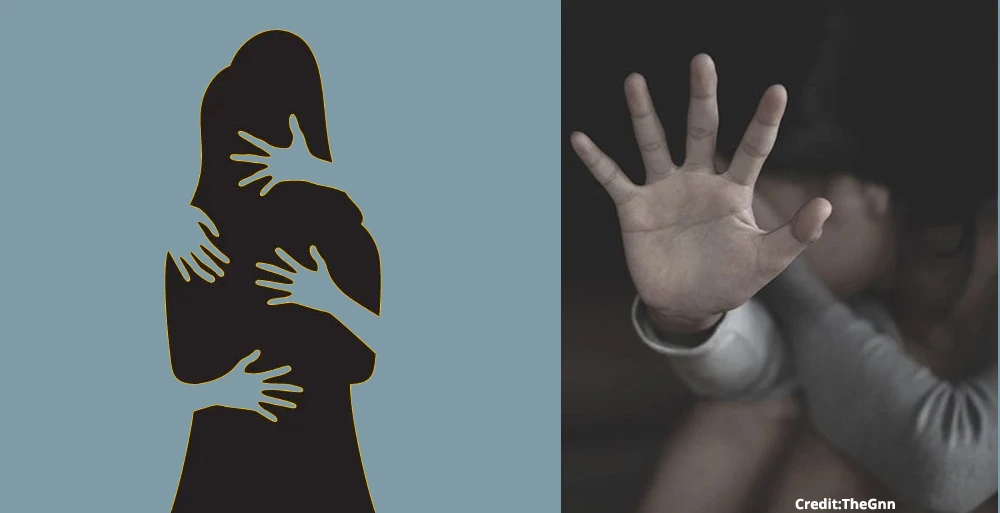
New York – The alarming statistics on violence against women were underscored in two recent reports released by the United Nations ahead of the International Day for the Elimination of Violence against Women. According to the 2026 Femicide Brief, published by the UN Office on Drugs and Crime (UNODC) and UN Women, approximately five women are killed every hour by partners or family members worldwide. This translates to an estimated 78,000 intentional killings of women and girls in the past year alone, with 60 percent attributed to intimate partners or relatives.
These findings come at a critical time as they shed light on the pervasive violence that remains largely hidden and rarely addressed by justice systems around the globe. Further highlighting this issue, a separate report titled Access to Justice for Women Survivors of Violence reveals that nearly one in three women globally have experienced physical or sexual violence, yet only seven percent choose to report these incidents to law enforcement.
Growing Distrust in Justice Systems
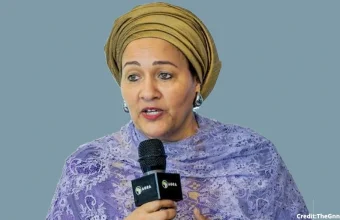
During a briefing at UN Headquarters in New York, UN Women Deputy Executive Director Nyaradzayi Gumbonzvanda emphasized the growing distrust women have in the systems intended to protect them. She stated, “The silence is getting louder in most countries where we have tracked it over time. Fewer women are seeking help today than before. We are going backwards.” According to Gumbonzvanda, data indicates that justice systems often force women into silence, making it the safest option for many.
In addressing the barriers women face, Gumbonzvanda urged institutions and communities to believe survivors, regardless of whether they can provide physical evidence or recall all the details of their experiences. “It costs nothing to believe someone. And it changes everything to believe a survivor, every single time,” she added.
Barriers to Reporting and Conviction
The Access to Justice report draws on data from 54 countries, highlighting the myriad obstacles that thwart women’s efforts to seek assistance and navigate the legal system. Of the estimated 840 million women and girls who have experienced physical and/or sexual violence in their lifetimes, only 23 percent have sought help from family, community members, or authorities. Alarmingly, between 63 and 97 percent of reported cases do not lead to a conviction, as noted by Kalliopi Mingeirou, Chief of UN Women’s Ending Violence Against Women Section. Mingeirou pointed out that many cases fall out of the judicial process due to repeated questioning, intimidation, and a culture of impunity for perpetrators.
Geographic Disparities in Reporting
The report indicates significant disparities in how women respond to violence based on their geographic locations. For instance, only 16 percent of survivors in Asia report seeking help, compared to 31 percent in Africa and 40 percent in Latin America and the Caribbean. In the European Union, while 64 percent of women confide in someone close, only 14 percent report incidents to the police. Additionally, violence against women is increasingly manifesting in digital spaces, with 70 percent of women in public life—such as activists, journalists, and human rights defenders—reporting experiences of online violence. Mingeirou warned that rather than being held accountable, perpetrators are often allowed to continue their actions, pushing women out of both digital spaces and public life.
Statistics on Femicide
In terms of femicide rates, Africa reported the highest incidence, with 2.9 victims per 100,000 female population, followed by the Americas at 1.4, Oceania at 1.1, Asia at 0.6, and Europe at 0.5. Despite a global decline in homicide rates, femicide rates have decreased at a slower pace. Between 2010 and 2025, homicide rates dropped nearly twice as quickly as femicide rates in the Americas and about 1.5 times as fast in Europe. This discrepancy highlights the ongoing challenges women face in seeking justice and protection.
Call to Action
The findings emerge just days before the International Day for the Elimination of Violence against Women on November 25, which marks the beginning of the annual 16 Days of Activism against Gender-Based Violence, culminating on Human Rights Day, December 10. This year’s theme, UNiTE to End Violence Against Women and Girls: Ensure Justice, Protect Survivors, End Impunity, calls on governments, private sectors, the UN, media, women’s organizations, and communities to enhance prevention efforts, safeguard survivors, and hold perpetrators accountable.
Gumbonzvanda emphasized the critical role of law enforcement, urging police to accept and investigate complaints, while courts should provide survivors a platform to be heard without subjecting them to further trauma. She also called upon tech companies to take decisive action against online abuse. Addressing survivors directly, Gumbonzvanda stated, “To every survivor watching today, we believe you every single time. You should never have to prove that you deserve to be believed.”




No Comment! Be the first one.