





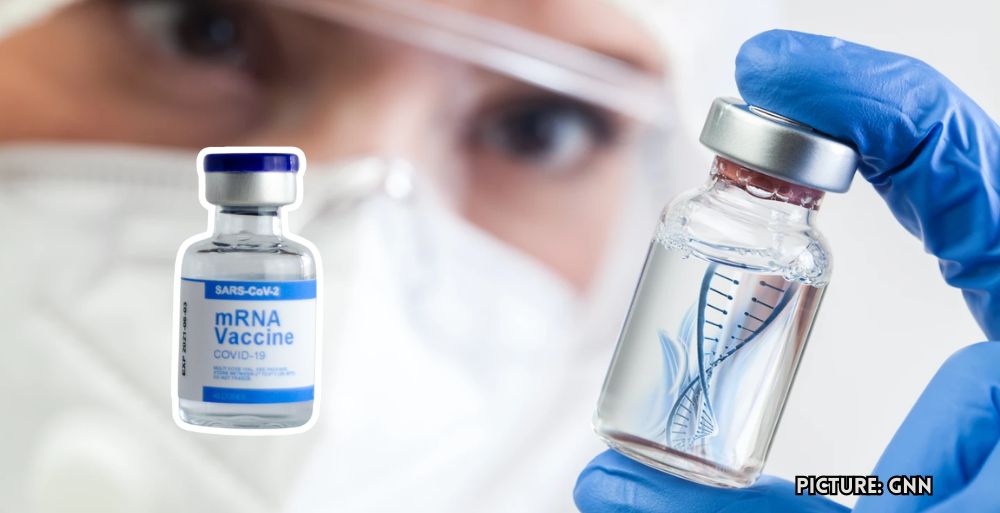
The development of a novel technique to enhance self-amplifying mRNA vaccines could significantly improve vaccine rollout efficiency and expand therapeutic applications, including in gene therapy and cancer treatment.
Researchers at Queen Mary University of London have made a breakthrough in the field of mRNA vaccine technology by overcoming a critical barrier that has limited the efficacy of self-amplifying mRNA (saRNA) vaccines. Their findings, published in the journal Nature Communications, may pave the way for the production of more effective vaccines and therapies at lower doses and faster speeds.
The emergence of mRNA vaccines has transformed public health responses, particularly highlighted during the COVID-19 pandemic. Traditional vaccines often use attenuated or inactivated virus components to induce immunity. In contrast, mRNA vaccines instruct human cells to produce a viral protein that triggers an immune response, leading to a quicker development and distribution process. This innovative approach has increased confidence in the potential of mRNA technology for future vaccine development.
The Promise of Self-Amplifying mRNA Vaccines
Building on the success of standard mRNA vaccines, scientists have been exploring saRNA vaccines, which possess the unique ability to replicate within host cells. This self-replicating feature allows saRNA vaccines to produce greater quantities of the target protein, thereby potentially offering prolonged immunity and requiring smaller doses. Such characteristics could greatly enhance vaccine distribution capabilities, particularly in resource-limited settings and during public health emergencies.
However, the implementation of saRNA technology has faced significant hurdles. During the self-replication process, saRNA generates double-stranded RNA (dsRNA), which inadvertently activates the host cell’s antiviral pathways. This immune response can compromise the stability and effectiveness of the saRNA, ultimately limiting its ability to instruct cells to produce the desired protein. As a result, the full potential of saRNA vaccines has not yet been realized.
Innovative Solutions from Queen Mary University
In their research, Dr. Pierre Maillard and Dr. Raul Yusef Sanchez David, both from Queen Mary University’s Blizard Institute, have identified a promising solution to the challenges faced by saRNA vaccines. The team discovered that incorporating a protein known as NoV B2 can suppress RNA interference, a key cellular defense mechanism against dsRNA. By doing so, the researchers were able to significantly enhance the stability and replication of saRNA in both stem cells and regular cells.
This advancement enables a more substantial yield of the targeted protein without diminishing the immune-stimulating properties inherent to saRNA. Dr. Maillard noted, “Our findings identify a strategy to overcome a fundamental barrier limiting self-amplifying vaccines. If this translates successfully in vivo, it could open new possibilities for vaccine design as well as for gene therapies and cancer treatment.”
Broader Implications for Healthcare
The implications of this research extend beyond the realm of infectious disease prevention. The enhanced protein production capabilities offered by saRNA technology may revolutionize several medical fields, including gene therapy, cancer immunotherapy, and protein replacement therapies. If adapted for clinical use, this technology could lead to safer and more cost-effective gene therapies, more potent cancer vaccines, and potentially transform protein replacement therapy from a process requiring frequent medical interventions to one where patients’ bodies can autonomously generate necessary proteins.
This breakthrough comes at a critical juncture, as discussions surrounding funding for mRNA-based research have intensified following the U.S. government’s recent announcement of a $500 million reduction in funding for mRNA vaccine research. This decision has raised concerns within the scientific and public health communities about the future of mRNA innovations and their potential impact on public health initiatives. The findings from Queen Mary University highlight the United Kingdom’s continued strength as a hub for impactful research and innovation in biotechnology.
The research team is currently collaborating with Queen Mary Innovation, the university’s technology transfer organization, to identify commercial partners that can assist in advancing this technique toward clinical applications. The pursuit of practical applications for this innovative technology is expected to contribute significantly to the fields of vaccine development and therapeutic interventions.
Future Directions
As the landscape of vaccine technology continues to evolve, the work conducted by Dr. Maillard, Dr. Sanchez David, and their colleagues may be pivotal in shaping the future of healthcare. Their findings not only reinforce the potential of saRNA but also underscore the importance of ongoing investment in scientific research to address emerging health challenges. The ability to produce highly effective vaccines and therapies with reduced dosage requirements could have far-reaching implications, particularly in a world still grappling with the repercussions of the COVID-19 pandemic and facing new public health threats.
The full research article can be accessed in Nature Communications under the title: Sanchez-David, R. Y., et al. (2026). Tuning intracellular immunity by Nodamura virus B2 protein enhances self-amplifying RNA activity. DOI: 10.1038/s41467-026-77816-2.





No Comment! Be the first one.