





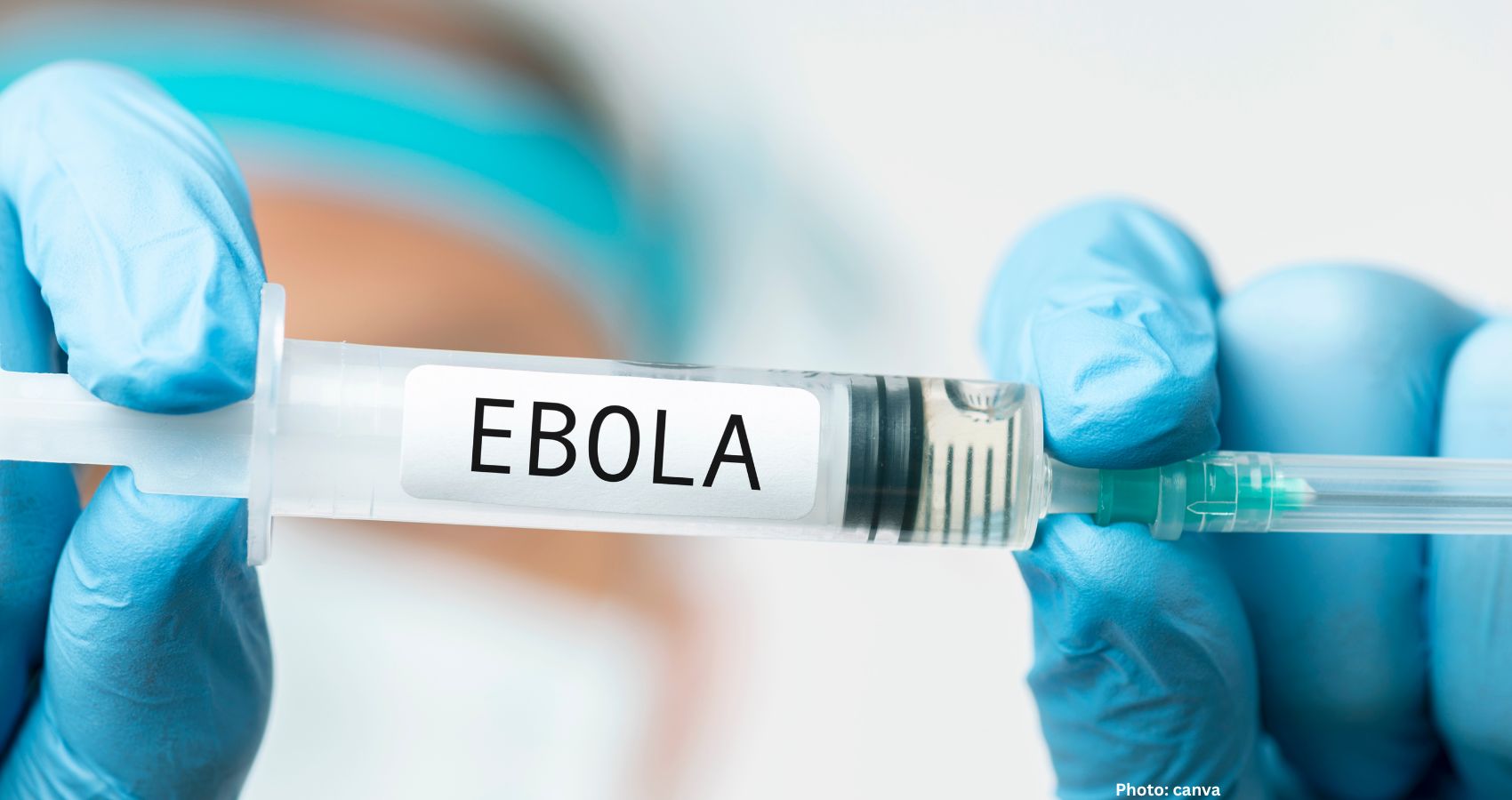
The International Rescue Committee issued a stark warning that the active Ebola epidemic in the northeastern Democratic Republic of the Congo is likely significantly larger and more advanced than indicated by official figures. Driven by the rare Bundibugyo ebolavirus strain, for which there are currently no approved vaccines or targeted clinical therapeutics, the outbreak is rapidly overwhelming local response mechanisms due to critically low rates of contact tracing and severe laboratory backlogs. Concurrently, international health coalitions have fast-tracked emergency funding to accelerate development on three investigational vaccine candidates to prevent the outbreak from shifting into a catastrophic regional crisis across East Africa.
KINSHASA, DEMOCRATIC REPUBLIC OF THE CONGO — A rapidly escalating outbreak of Ebola disease in the northeastern provinces of the Democratic Republic of the Congo (DRC) is “likely far worse” than official health tallies currently indicate, according to an emergency alert issued Monday by the International Rescue Committee (IRC). The New York-based humanitarian organization warned that international containment efforts are failing to intercept new vectors of transmission due to delayed detection parameters, critical supply shortages, and dangerously low levels of contact tracing.
According to official surveillance statistics provided by the DRC Ministry of Health, the central government has documented more than 1,000 suspected cases and greater than 200 suspected deaths across the affected provinces. Out of these clinical reports, local medical authorities have successfully validated 282 laboratory-confirmed cases and 42 confirmed fatalities. However, independent epidemiologists and non-governmental aid organizations operating within the regional epicenter argue that severe bottlenecks in localized diagnostic infrastructures have severely distorted the accuracy of the official public health registry.
Undetected Transmission and Tracing Failures
The current crisis traces its operational origins back several months before the formal declaration of an emergency. Epidemiological modeling compiled by the IRC indicates that the pathogen may have been actively circulating undetected within local communities since before March—potentially establishing chains of transmission for as long as three months before the DRC government officially confirmed the epidemic in mid-May. This protracted, unmonitored window allowed the virus to traverse multiple community lines and administrative zones before specialized medical teams could deploy containment protocols.
The primary structural vulnerability in the current response is a near-total breakdown in tracking individuals exposed to the virus. Rachel Howard, senior technical emergency health advisor at the IRC, revealed that local public health workers are currently executing contact tracing for only about 20 percent of known exposures. The statistic means that approximately 80 percent of individuals who have interacted with confirmed Ebola patients are currently unmonitored, leaving health authorities effectively blind to where subsequent clusters will emerge.
“The true scale of this Ebola outbreak is likely far worse than official figures suggest,” Howard stated during an emergency briefing in Kinshasa, maintaining a composed but urgent demeanor while analyzing regional maps. “When four out of five contacts are not being traced, it becomes incredibly difficult to contain the outbreak or even understand its true scale. We are especially concerned about the virus spreading to other countries like Burundi or South Sudan.”
Cross-Border Spread and Diagnostic Gridlocks
The risk of a multi-country epidemic has already moved past theoretical modeling. Across the eastern border, Ugandan public health officials have confirmed at least nine travel-related cases of Ebola alongside one recorded death. The individuals had traveled across the highly porous border separating northeastern DRC from western Uganda before displaying severe clinical symptoms, illustrating the systemic difficulty of regulating population mobility in a region shaped by cross-border commerce and displacement.
Compounding the tracking deficit is a sharp degradation in immediate laboratory diagnostic capacity. Frontline clinics lack the basic laboratory tools necessary to distinguish Ebola from endemic tropical diseases like malaria or typhoid.
“IRC teams warn that shortages of diagnostic cartridges and testing backlogs are slowing confirmation of cases, further obscuring the true spread of the outbreak,” Howard explained, noting that the resulting delay forces suspected patients to remain in multi-bed communal triages or return home, inadvertently multiplying community exposure.
Furthermore, the pathogen has exacted a devastating toll on an already understaffed local medical infrastructure. At least six healthcare workers have died from the disease in recent days, including two specialized doctors who contracted the virus while treating patients without adequate personal protective equipment (PPE). The loss of senior medical staff has exacerbated a profound psychological crisis within the affected population. Fear of the disease, combined with historical suspicions of centralized state interventions, has driven many symptomatic individuals to completely avoid formal health facilities. Public health monitors report that multiple individuals exhibiting clear hemorrhagic symptoms are actively remaining within their residential communities rather than seeking isolation and treatment, a dynamic that accelerates localized transmission while eroding public trust in the international medical response.
Echoes of North Kivu and the Bundibugyo Vulnerability
The current epidemiological landscape is increasingly mirroring the catastrophic 2018–2020 North Kivu Ebola outbreak, which remains the second-largest in global history. According to data maintained by the World Health Organization (WHO), that historical epidemic resulted in more than 3,400 recorded cases and 2,200 deaths. Like the current crisis, the North Kivu intervention was severely complicated by entrenched regional insecurity, armed conflict, high population mobility, and intense community resistance toward external medical interventions.
However, the current outbreak presents an even greater scientific challenge. The historical North Kivu epidemic was driven by the Zaire ebolavirus strain, allowing medical teams to successfully deploy the highly effective Ervebo vaccine (rVSV-ZEBOV) to establish protective rings around active clusters. In contrast, the current outbreak is driven by a completely distinct species: the Bundibugyo ebolavirus.
While some public health specialists suggest that the Bundibugyo strain may carry a slightly lower mortality rate than the highly lethal Zaire strain—historically averaging a 25 percent to 40 percent case fatality rate compared to Zaire’s 60 to 90 percent—the complete absence of approved vaccines, rapid field diagnostics, or targeted therapeutic treatments significantly elevates its potential for mass devastation.
Emergency Accelerations and Community Cohesion
Faced with a licensed vaccine deficit, international global health coalitions have initiated rapid intervention protocols. The Coalition for Epidemic Preparedness Innovations (CEPI) announced Monday that it will “urgently accelerate” the clinical development of three investigational vaccine candidates specifically targeting the Bundibugyo virus.
The emergency portfolio incorporates three distinct, validated vaccine technology platforms to maximize the probability of achieving a viable clinical candidate. The chosen candidates are under development by IAVI, Moderna, and the University of Oxford. To ensure rapid scalability if clinical safety is established, manufacturing agreements have been finalized with the Serum Institute of India, the world’s largest vaccine manufacturer by volume. CEPI has committed an initial allocation of up to $8.6 million to rapidly advance the University of Oxford’s ChAdOx1-based platform into Phase 1 clinical trials, alongside creating specialized master virus seed stocks.
Yet, as laboratory research accelerates globally, frontline responders emphasize that immediate stabilization depends on localized, human-centric strategies rather than future pharmaceutical developments.
“The IRC is calling for urgent international support to scale up contact tracing, surveillance, laboratory testing, treatment capacity and community engagement efforts before the outbreak escalates further,” Howard concluded, emphasizing the need for flexible financial resources to prevent a rapid deterioration of the border zones. “It is also critical to build trust with affected communities, including through survivor-led awareness and risk awareness activities.”






No Comment! Be the first one.