




Global Climate Scientists Urge Preparedness Measures Ahead of Impending Super El Niño

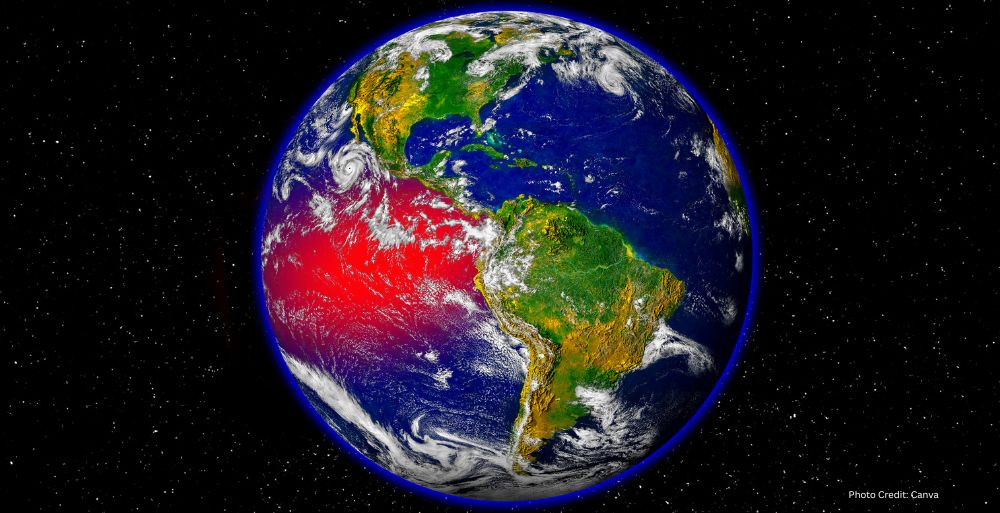
Top climate scientists outline five critical steps for nations to prepare for the anticipated impacts of a significant El Niño, aiming to mitigate its effects on public health and resilience.
Researchers from the University of Bristol have identified five essential steps that countries can take to better prepare for the impending El Niño, a climate phenomenon that can exacerbate health risks globally. Their findings were published in a recent study in The Lancet and emphasize the urgent need for proactive measures to reduce the potential toll on human health.
El Niño, characterized by the warming of sea surface temperatures in the central and eastern Pacific Ocean, is expected to reach significant levels by the end of 2023, with some forecasts suggesting it could be the strongest event recorded. This natural climate pattern has far-reaching consequences, influencing weather patterns and increasing the frequency of extreme weather events across various regions, including India, East Asia, South America, Africa, and the West Pacific.
Dr. Ruby Lieber, the study’s lead author and a Senior Research Associate in Climate Science at the University of Bristol, highlighted the substantial influence of El Niño on climate-related disasters. She stated, “We know the number of people affected by climate-related disasters is strongly influenced by the El Niño cycle, but there is little evidence available establishing how much of the health burden can be attributed to climate change and how much was driven by El Niño.”
The researchers noted that despite the well-documented link between El Niño and increased health risks, the specific threats remain largely unquantified. This lack of data underscores the need for countries to implement measures that can better prepare them for the expected impacts of this climate event.
Five Key Recommendations
The study proposes five critical actions aimed at equipping nations with the tools necessary to mitigate the health risks associated with El Niño:
- The United Nations and other international organizations should prioritize health protection and disease prevention strategies as soon as El Niño is officially declared.
- National governments need support to assess the effects of El Niño on public health and to enact necessary precautionary measures, such as early-warning systems.
- There should be an increase in El Niño-focused climate-health attribution studies, utilizing the findings to inform public policy and practices.
- Health effects of El Niño must be continuously reviewed to develop a comprehensive understanding of its evolving impact and to identify gaps in existing evidence.
- Assess the cost-effectiveness of implemented climate-health measures, such as early warning systems, enhancing healthcare capacity, urban flood protections, and food system resilience actions.
Dr. Lieber emphasized that these steps necessitate greater collaboration between climate scientists and health researchers. She noted, “Partnership working is imperative, and such global entities need to urgently call on advances in attribution science to more accurately recognize and assess how much of the repercussions are the result of human-induced climate change and how much are a result of El Niño.”
Co-author Dann Mitchell, who holds the Shanta Professorial Chair in Planetary Health at the University of Bristol, added that the potential risks posed by this emerging threat should not be underestimated. “It’s clear that we cannot afford to ignore this emerging threat, which poses potentially devastating but predictable risks to communities around the world,” he stated. Mitchell called for a unified effort among climate and health researchers, supported by national and international agencies, to create a more advanced evidence base. This would facilitate the development of adaptation strategies to mitigate the health implications, especially for countries that are particularly vulnerable.
The El Niño phenomenon is part of a larger climatic cycle that has historically been linked to severe droughts, floods, and health crises across the globe. As climate change continues to alter weather patterns, understanding the specific impacts of El Niño becomes increasingly crucial. The findings from this study aim to provide actionable insights for governments and organizations preparing for the upcoming El Niño, ensuring that they are equipped to protect public health in the face of this significant climate event.
For further insights, the authors have produced a video explanation by Dr. Ruby Lieber regarding the implications of the super El Niño, available on YouTube.
Conclusion
The research highlights an urgent call to action for both national and international stakeholders. By implementing the recommended measures, countries can enhance their preparedness and resilience against the anticipated impacts of El Niño, ultimately safeguarding public health and mitigating the adverse effects associated with this climatic phenomenon.




No Comment! Be the first one.