




Many beloved Indian foods have surprising roots outside the subcontinent, shaped by centuries of culinary exchange.
Indian cuisine is celebrated for its rich flavors, aromatic spices, and diverse offerings. However, many food enthusiasts may be surprised to learn that several dishes regarded as quintessentially Indian actually have origins in other regions. Over the centuries, travelers, traders, and various communities have introduced their culinary traditions to India, leading to the adaptation and evolution of these recipes. Here, we explore five popular Indian foods that originated outside the country.
Samosa: A Central Asian Influence
The samosa, a staple on Indian snack menus, is a crispy, triangular pastry that did not originate in India. Its early forms are believed to have traveled from Central Asia and the Middle East, where stuffed pastries were a culinary staple. Known by various names, these savory snacks eventually made their way to the Indian subcontinent. The potato-filled version that has gained immense popularity in India developed later, showcasing how traditional recipes can be adapted to include local ingredients and preferences.
Jalebi: A Sweet from West Asia
Another beloved dish, jalebi, is a common feature at Indian weddings, festivals, and sweet shops. Its origins can be traced back to West Asia, where a similar sweet called zalabiya was prepared. This dish made its way to India, evolving over time into the spiral-shaped fried treat soaked in sugar syrup that is now a festive favorite. The transformation of jalebi highlights the influence of cross-cultural culinary exchanges that have shaped Indian gastronomy.
Biryani: A Royal Persian Connection
Biryani is often associated with Indian royal kitchens, but its culinary history reveals strong ties to Persian and Central Asian food traditions. The very word ‘biryani’ is linked to the Persian term ‘birian.’ As the dish traveled to the Indian subcontinent, regional cooks began to incorporate local spices, cooking methods, and ingredients. This resulted in the emergence of various regional biryanis, such as Hyderabadi biryani and Kolkata biryani, each reflecting the unique culinary landscape of its area.
Naan: A Flatbread with Persian Roots
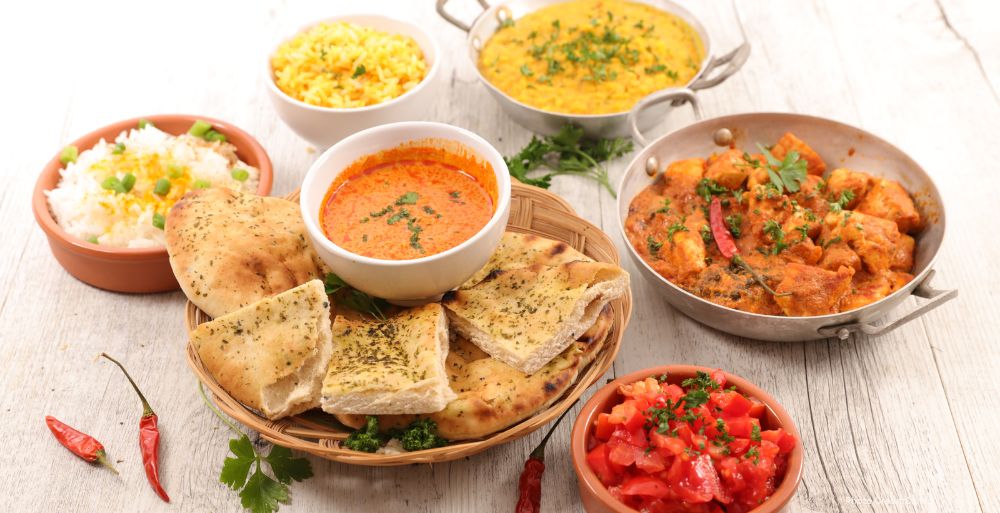
The soft and fluffy naan is a familiar accompaniment to Indian curries, yet its origins can be traced back to Persian and Central Asian culinary traditions. Similar flatbreads were prepared in these regions long before they became a popular staple in Indian cuisine. Over time, naan evolved into a prominent feature in North Indian restaurants, with variations like butter naan, garlic naan, and stuffed naan gaining their own dedicated fan bases.
Gulab Jamun: A Dessert with Persian Heritage
Gulab jamun, a sweet often served at celebrations, has an intriguing history that extends beyond Indian kitchens. It is primarily associated with Persian and Middle Eastern sweet-making traditions, influenced by desserts such as luqmat al-qadi. The Indian variant developed its own unique identity through the use of khoya, which consists of fried dough balls soaked in fragrant sugar syrup. Today, gulab jamun stands as one of India’s most recognizable and cherished desserts, further illustrating the rich tapestry of culinary influences that define Indian cuisine.
In summary, the culinary landscape of India is not solely an indigenous creation but rather a rich mosaic shaped by centuries of interaction with various cultures. The foods that many consider traditional Indian fare often bear the marks of foreign influences, showcasing the adaptability and creativity of Indian cooks throughout history. As globalization continues to affect culinary practices, the evolution of these dishes may lead to further innovations that will continue to enrich the vibrant tapestry of Indian cuisine. Exploring the origins of these popular dishes not only reveals a deeper understanding of Indian gastronomy but also highlights the interconnectedness of cultures through food.
Each of these dishes tells a story of migration and transformation, reflecting the historical movements of people and ideas across regions. The samosa, for instance, is not merely a snack but a symbol of the Silk Road’s cultural exchanges. It evolved as it came into contact with Indian culinary traditions, showcasing how food can adapt and thrive in new environments.
Jalebi, with its sweet, syrupy exterior, serves as a reminder of the historical trade routes that facilitated the sharing of culinary techniques and ingredients between the East and West. Its presence in Indian festivities underscores the significance of food in cultural celebrations and social gatherings.
Biryani, often described as a royal dish, embodies the fusion of flavors and cooking techniques that emerged from the Persian influence on Indian cuisine. Its variations speak to the geographic and cultural diversity within India, with each region putting its own spin on this beloved dish. The richness of its flavor profiles showcases the importance of spice trade and regional agriculture in shaping Indian culinary practices.
Naan’s evolution from a flatbread to a staple accompaniment in Indian meals illustrates the adaptability of food to local tastes and preferences. The popularity of different naan varieties reflects regional influences and the creativity of Indian chefs as they continue to innovate traditional recipes.
Finally, gulab jamun’s transformation from a Persian sweet to an Indian classic highlights the dynamic nature of culinary traditions. Its journey from the Middle East to Indian kitchens exemplifies how food can transcend borders and create a sense of belonging among diverse communities.
As India continues to embrace its culinary heritage while welcoming new influences, the future of its cuisine remains bright. The ongoing exploration of food origins serves as a reminder of the shared human experience, reflecting how interconnected our stories are through the universal language of food. Understanding the global influences on Indian cuisine enriches our appreciation for these dishes and fosters a greater respect for culinary diversity worldwide.


No Comment! Be the first one.