





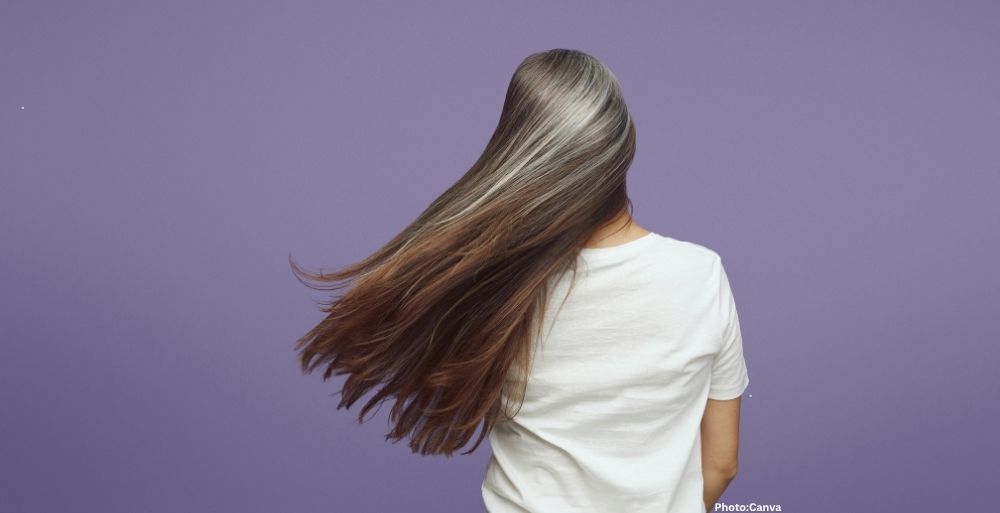
As winter approaches, maintaining optimal hair health becomes crucial. A balanced intake of essential vitamins can help prevent hair loss and enhance strength, shine, and overall vitality.
With the arrival of winter, many individuals experience heightened hair shedding and dryness due to environmental changes. This seasonal transition not only affects hair texture and appearance but can also weaken follicles, leading to increased hair loss. To mitigate these effects, a comprehensive approach to hair care is essential, focusing on both topical treatments and nutritional support. While vitamins like biotin and zinc are commonly recognized for their benefits, a deeper understanding of the essential vitamins necessary for hair health can significantly enhance one’s hair care regimen.
The Importance of Vitamins for Hair Health
Vitamins are vital micronutrients that support numerous bodily functions, including the growth and maintenance of healthy hair. The following six vitamins are particularly important for anyone seeking to enhance their hair’s resilience and vitality, especially during the winter months when hair issues can be exacerbated.
Vitamin A
Vitamin A plays a crucial role in maintaining hair health and is abundant in foods such as carrots, cabbage, pumpkin, and broccoli. One of its key benefits is its ability to prevent hair aging, primarily by supporting the immune system. A robust immune system helps to combat common scalp issues like dandruff and dryness, which can hinder hair growth. By ensuring the scalp remains healthy, vitamin A creates an optimal environment for hair follicles, ultimately promoting hair growth.
The B Vitamin Complex
The B vitamins encompass a group of essential nutrients, including B1, B2, B3, B5, B6, B8 (biotin), and B12, which are integral to hair vitality. These vitamins can be sourced from various foods, including eggs, meat, fish, dairy products, whole grains, legumes, and leafy green vegetables. Biotin, often touted as the most important B vitamin for hair health, plays a vital role in protein metabolism, directly contributing to the strength of hair structure. Additionally, vitamin B1 energizes the scalp, serving as a critical fuel for hair production. Vitamin B3 (niacin) restores hair health and stimulates microcirculation in the scalp, while B2 adds shine and luster to brittle strands. B12 is essential for oxygenating hair follicles, which is crucial for their healthy function. Furthermore, vitamins B5 and B6 are known for their roles in slowing hair loss and preventing premature graying, making them vital for anyone concerned about hair thinning.
Vitamin C
Vitamin C is widely recognized for its antioxidant properties and can be found in various foods such as citrus fruits, strawberries, kiwis, bell peppers, and broccoli. This vitamin is particularly effective in combating oxidative stress, a significant factor in hair aging and damage. Regular consumption of vitamin C not only protects against environmental stressors but also promotes circulation to the scalp and hair follicles, stimulating hair growth. By enhancing the delivery of essential nutrients to the hair, vitamin C plays a critical role in maintaining hair health.
Vitamin D
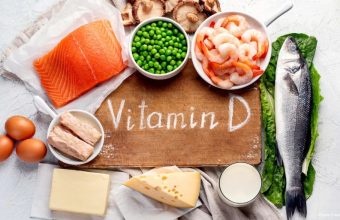
Traditionally associated with bone health, vitamin D is also essential for hair health. It can be obtained from dietary sources like fatty fish (such as salmon and sardines), egg yolks, fortified dairy products, and certain mushrooms. Notably, the body synthesizes vitamin D through exposure to sunlight, which can be limited during winter months. A deficiency in vitamin D has been linked to various forms of alopecia, suggesting its vital role in maintaining follicle health and supporting the hair growth cycle. Research indicates that vitamin D may help preserve hair during the shedding phase, highlighting its importance in both hair growth and retention.
Vitamin E
Vitamin E is another powerful antioxidant that can be found in foods such as almonds, sunflower seeds, hazelnuts, avocados, and spinach. This vitamin enhances oxygen absorption in the body’s cells, which is crucial for improving circulation, including to the scalp. Improved blood flow can slow hair loss and enhance shine. Beyond dietary sources, vitamin E is often included in topical applications, such as hair masks and shampoos, where it nourishes the hydrolipidic film that protects the scalp and hair. This regulation of hydration not only helps maintain moisture levels but also contributes to overall hair health.
Conclusion
Incorporating these six essential vitamins into one’s daily diet can lead to significant improvements in hair health, particularly during the winter months when hair is more susceptible to damage and loss. While obtaining these vitamins through food sources is ideal, individuals may also consider supplements to ensure they receive adequate levels of these nutrients. By prioritizing hair health through proper nutrition and supplementation, individuals can effectively combat seasonal shedding while promoting stronger, shinier hair. This holistic approach to hair care will not only enhance appearance but also improve overall confidence and well-being during the cold winter months.



No Comment! Be the first one.