





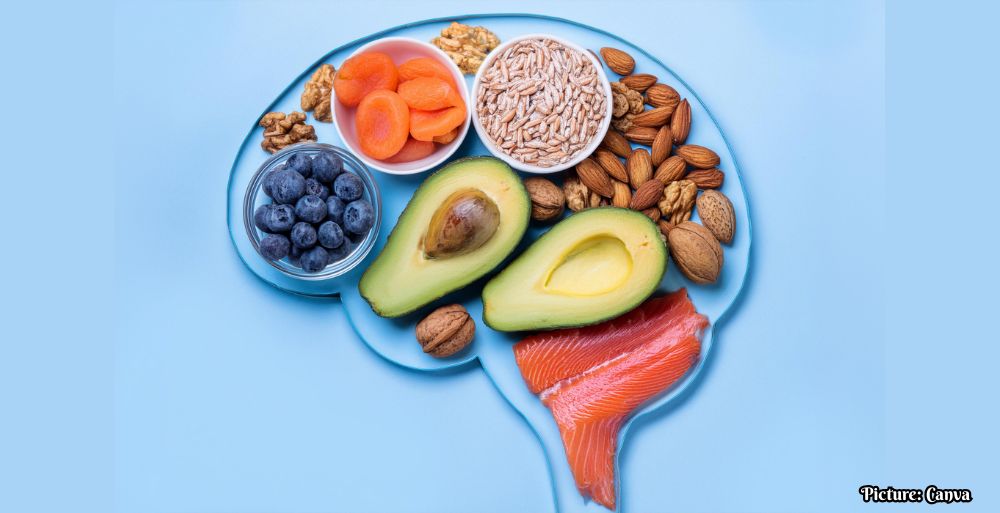
Research indicates that specific fruits can significantly improve mental health by reducing stress and anxiety levels, offering a natural complement to traditional stress management methods.
In recent years, the conversation surrounding mental health has expanded, with increasing recognition of the role dietary choices play in emotional well-being. Studies highlight that certain fruits, rich in vitamins, antioxidants, and essential nutrients, may assist in alleviating stress and anxiety. This link between nutrition and mental health is supported by a body of research suggesting that regular fruit consumption can lead to considerable psychological benefits.
Nutritional Profile of Stress-Relieving Fruits
Fruits such as kiwi, oranges, blueberries, bananas, strawberries, pomegranates, and avocados are particularly noted for their mental health benefits. Each of these fruits contains unique nutrients that contribute to the body’s ability to manage stress and anxiety effectively.
Kiwi: A Vitamin C Powerhouse
Kiwi is celebrated for its high vitamin C content, which is essential for synthesizing neurotransmitters such as serotonin and dopamine. These neurotransmitters are crucial in regulating mood and the body’s stress response. Recent research has found that individuals who include kiwi in their daily diet report improvements in mood and overall vitality within days. A 2022 study revealed that participants consuming kiwi regularly experienced reduced stress levels, underscoring the fruit’s potential in enhancing emotional well-being.
Oranges: Antioxidant Benefits
Oranges, also rich in vitamin C, play a vital role in supporting the body’s stress response. Their antioxidant and anti-inflammatory properties can moderate the body’s stress hormone responses. Studies indicate that consuming oranges can boost the immune system and enhance resilience to stressors, contributing to improved mood and lower anxiety levels.
Blueberries and Cognitive Enhancement
Blueberries are packed with anthocyanins, a type of antioxidant known to combat oxidative stress, which is linked to anxiety and cognitive decline. Research suggests that a diet high in antioxidants, particularly from blueberries, correlates with lower anxiety scores in specific populations, including postmenopausal women. The protective effects of these antioxidants may improve communication between brain cells, thus supporting cognitive function.
Bananas: Enhancing Mood Regulation
Bananas provide a combination of nutrients that may help alleviate anxiety and enhance mood. The fruit’s high vitamin B content aids in synthesizing serotonin and dopamine. Additionally, the fiber and natural carbohydrates in bananas help maintain stable energy levels, potentially preventing mood swings caused by blood sugar fluctuations. Some studies indicate that regular banana consumption may be linked to improved management of anxiety and depression.
Strawberries: Energy and Stress Relief
Strawberries, like kiwi and oranges, are abundant in vitamin C and other antioxidants, including anthocyanins and ellagic acid. These compounds help combat oxidative stress and inflammation, which are believed to contribute to poor mental and physical health. Evidence suggests that strawberries can enhance energy levels in individuals experiencing chronic stress, making them a valuable addition to a stress-reducing diet.
Pomegranates: A Boost for Brain Health
Pomegranates are rich in polyphenol antioxidants, which actively reduce inflammation and oxidative stress. Initial studies indicate that compounds found in pomegranates may trigger mechanisms that alleviate anxiety and depression, thereby supporting brain health over time. Their high vitamin C content further contributes to mood enhancement, making them a robust option for those seeking to manage stress.
Avocados: Managing Cortisol Levels
Though often classified as vegetables, avocados are technically fruits and are rich in heart-healthy monounsaturated fats, magnesium, and fiber. These nutrients are crucial for lowering cortisol levels, the primary stress hormone, and stabilizing blood sugar levels, which can directly influence mood and anxiety levels. Some research suggests that adequate magnesium intake may enhance resilience to stress, making avocados an excellent addition to a diet aimed at stress management.
Comprehensive Lifestyle Approaches to Stress Management
While the inclusion of these fruits in one’s diet can yield benefits, experts advocate for a holistic approach to managing stress and anxiety. This includes maintaining a balanced diet that features a variety of fruits, vegetables, whole grains, and healthy fats to support both physical and mental health. Regular physical activity, such as walking, biking, swimming, and yoga, is also beneficial for managing daily stress and preventing chronic health issues.
Incorporating relaxation techniques—such as meditation and breathwork—into daily routines can further aid in reducing stress. Additionally, limiting caffeine consumption is advisable, as excessive caffeine can disrupt sleep patterns and trigger spikes in cortisol levels. Social connections with friends and family provide essential emotional support during stressful periods. If stress or anxiety becomes overwhelming, consulting a healthcare provider or mental health professional is crucial for obtaining the necessary support.
Conclusion: The Role of Diet in Mental Wellness
As the dialogue surrounding mental health continues to evolve, the findings from recent research underscore the importance of dietary strategies in promoting emotional well-being. The integration of fruits known for their stress-reducing properties serves as a valuable component in a comprehensive approach to mental health. As individuals seek to improve their mental wellness, focusing on a nutrient-rich diet that includes these fruits may offer a natural and effective strategy for managing stress and anxiety.






No Comment! Be the first one.