





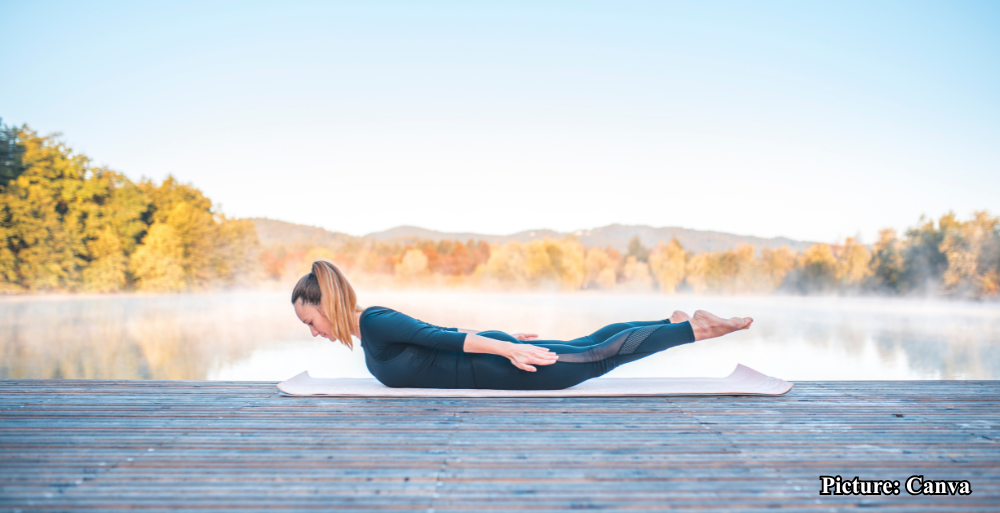
A detailed examination of Salabhasana, or Locust Pose, and its variations, focusing on improving spinal health and relieving tension in the back and shoulders.
In a comprehensive analysis of Salabhasana, commonly known as Locust Pose, Yoga Journal revisits its foundational elements and therapeutic benefits. Originally published in the September-October 1989 issue, this exploration emphasizes how various muscle groups—including the buttocks, back thighs, upper back, abdomen, and inner thighs—contribute to spinal health and overall body alignment.
Understanding Salabhasana
Salabhasana is a back-bending pose that requires practitioners to lie face down and engage various muscle groups to elevate the upper body and legs. This pose not only strengthens the lower back and improves posture but also helps alleviate discomfort caused by prolonged sitting or forward bending. The pose is particularly beneficial for those experiencing lower back pain, as it encourages spinal extension and strengthens associated muscles.
Variations of Salabhasana
The article outlines several variations of Salabhasana, each designed to target specific areas of tension and enhance overall strength:
1. Tending to Lower Back Discomfort
The first variation focuses on relieving discomfort in the sacroiliac joint, a common area of pain for individuals engaged in activities that require forward bending. Practitioners are advised to lie face down, with the tops of their feet resting on a low platform or wall. By pressing the feet and extending the legs, individuals can activate the thighs and alleviate pressure on the sacroiliac joints, promoting a healthier alignment of the spine. This technique not only provides immediate relief but also contributes to the long-term health of the lower back.
2. Lifting the Legs Higher
This variation aims to help practitioners lift their legs higher while maintaining ease in the pose. By using a rolled blanket under the thighs, individuals can engage their backs and shoulders more effectively. This modification allows for a more profound lift of the thighbones, which in turn promotes better posture and spinal alignment. The action of lifting the legs also encourages better coordination between the upper and lower body, enhancing overall body awareness.
3. Strengthening the Triceps
Recognizing the importance of arm strength, this exercise highlights the role of the triceps in maintaining upper body stability during Salabhasana. Practitioners are encouraged to engage their triceps while also focusing on the upper back muscles. The integration of these muscles helps improve overall body mechanics, which is crucial for various yoga poses. Strong triceps support the shoulders and prevent any undue strain while performing not just Salabhasana, but many other postures.
4. Strengthening the Inner Thighs
This variation emphasizes the importance of inner thigh strength when practicing Salabhasana. Using a block and strap, practitioners can activate their inner thighs while lifting their upper body, which aids in developing a stronger foundation for the pose. This technique not only enhances overall strength but also promotes better leg alignment. Engaging the inner thighs is essential for stabilizing the pelvis, which is critical for preventing injuries in both this and other yoga postures.
5. Easing Shoulder Tension
This variation provides relief for those with tight shoulders, particularly beneficial for individuals with desk jobs. By utilizing a door frame or yoga studio wall, practitioners can stretch their shoulders while maintaining proper spinal alignment. This approach helps to alleviate tension in the upper back and neck, making it a useful modification for daily stress relief. Regular practice of this variation can lead to improved shoulder mobility and a decrease in chronic tension associated with sedentary lifestyles.
6. Keeping the Lower Back Lengthened
Finally, the article stresses the importance of maintaining a neutral spine during the practice of Salabhasana. Practitioners are encouraged to avoid excessive tension in the lumbar region by focusing on the thoracic spine instead. This method is especially crucial for individuals with pre-existing disc issues or lower back injuries, as it promotes a safer practice while still allowing for the benefits of the pose. By prioritizing spinal lengthening, practitioners can enhance their overall yoga practice while minimizing the risk of injury.
Importance of Breath and Mindfulness
In addition to the physical adjustments made in these variations, breath control and mindfulness play a vital role in the practice of Salabhasana. Practitioners are encouraged to synchronize their movements with their breath, which not only enhances the physical benefits of the pose but also fosters a deeper mind-body connection. This awareness can lead to greater relaxation and a more meditative state during practice, contributing to overall mental well-being.
Conclusion
Salabhasana serves as a versatile pose that can be modified to suit individual needs, making it accessible to a wide range of practitioners. The variations outlined in this article not only strengthen the spine but also provide practical solutions for common issues such as back pain and shoulder tension. As yoga continues to grow in popularity, understanding the nuances of foundational poses like Salabhasana will enhance the practice for both beginners and experienced yogis alike. The insights from Yoga Journal illustrate the pose’s enduring relevance and its potential to improve the quality of life for practitioners by fostering physical strength and mental clarity.




No Comment! Be the first one.