





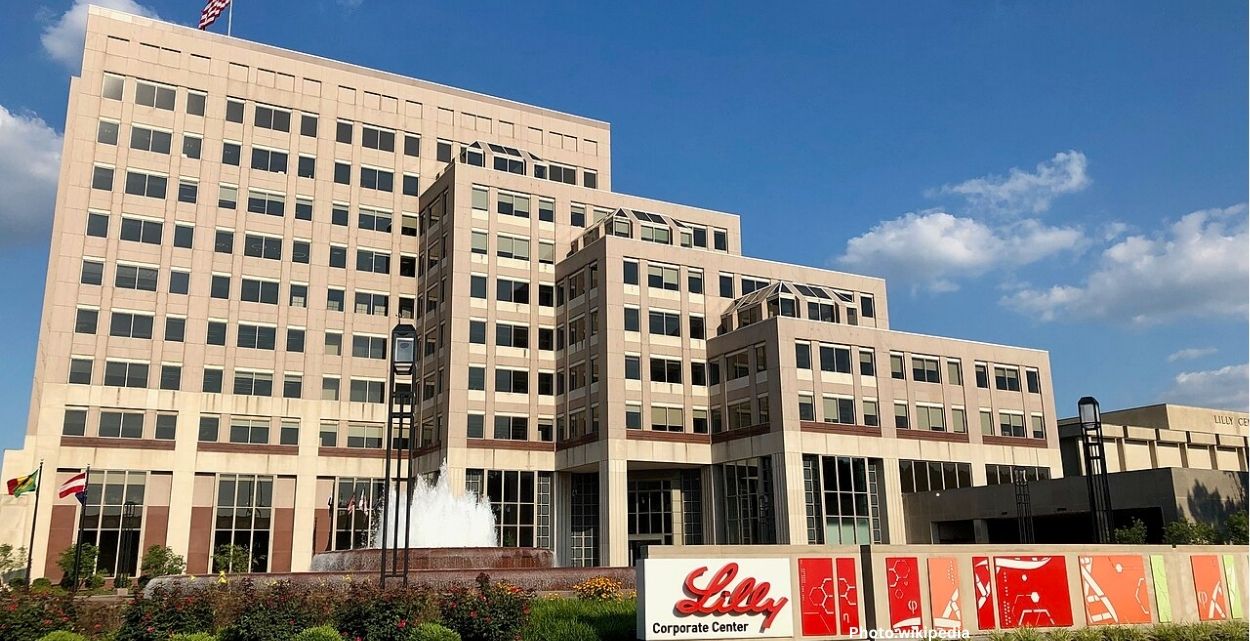
At the recent American Diabetes Association Scientific Sessions, Eli Lilly was hailed by analysts as a frontrunner in the weight-loss drug market, while competitors like Novo Nordisk expressed caution about the ongoing competition in the GLP-1 sector.
The American Diabetes Association (ADA) held its annual Scientific Sessions in New Orleans this month, where Eli Lilly (NYSE: LLY) showcased significant advancements in its weight-loss and diabetes management drugs. Following the conference, RBC analyst Trung Huynh characterized Eli Lilly as the “clear winner” of the event, drawing attention to the promising clinical trial results for its latest treatments. However, this assessment is met with skepticism from competitors, particularly Novo Nordisk (NYSE: NVO), whose chief science officer, Martin Holst Lange, argues that the competition remains fierce.
The ADA Conference and Eli Lilly’s Breakthroughs
This year’s ADA conference featured a range of presentations on new treatments aimed at addressing obesity and diabetes, conditions that affect millions of Americans. Eli Lilly’s announcement regarding its drug retatrutide (triple G) highlighted notable improvements in trial participants suffering from knee osteoarthritis pain and sleep apnea. The drug’s efficacy, as reported, positions it as a strong contender in the market for weight-loss medications.
Additionally, Eli Lilly presented data from its Attain-1 and Attain-2 Phase 3 clinical trials, where its weight-loss pill, Foundayo, was associated with significant weight loss among women at various stages of menopause. These results were instrumental in solidifying the company’s reputation as a leader in the development of GLP-1 receptor agonists, a class of medications increasingly recognized for their effectiveness in promoting weight loss and managing diabetes.
Market Dynamics and Competitor Responses
While Eli Lilly received accolades, the competitive landscape remains crowded. Major pharmaceutical companies, including Pfizer and Roche, also presented promising data on their weight-loss treatments during the ADA conference. The influx of new data has led to a more competitive environment, prompting analysts to reassess their outlooks. RBC’s Huynh indicated that while Eli Lilly’s position is strengthening, there is a growing caution regarding Pfizer’s prospects in this sector.
In response to Eli Lilly’s positive reception, Novo Nordisk’s Lange emphasized that the developments showcased at the ADA event do not signify an end to the competition. He pointed out that the GLP-1 wars are ongoing, suggesting that while Eli Lilly may have secured recent successes, the battle for market share and innovation continues. This sentiment reflects a broader acknowledgment within the industry that the development of weight-loss drugs is not solely a race to the finish, but rather a complex landscape where multiple players can coexist and thrive.
Financial Implications and Market Reactions
The advancements in diabetes and weight-loss drug development carry significant financial implications for the companies involved. According to industry analysts, the market for diabetes drugs is projected to grow substantially, driven by increasing prevalence rates of diabetes and obesity. Eli Lilly’s recent successes may translate into a significant boost in sales, while Novo Nordisk’s response and future developments will be critical in determining its market position.
Despite the positive developments for Eli Lilly, Novo Nordisk has historically maintained a strong presence in the GLP-1 market. Analysts have noted that while Eli Lilly may appear to be gaining momentum, Novo Nordisk’s established portfolio and ongoing research could allow it to remain competitive. The ongoing dialogue between the two companies illustrates the dynamic nature of the pharmaceutical industry, where innovation and strategic positioning are paramount.
Looking Ahead: The Future of GLP-1 Drugs
The implications of the ADA conference extend beyond immediate market reactions. The advancements in GLP-1 drugs signify a shift in how diabetes and obesity are treated, with potential long-term effects on patient care and health outcomes. As companies like Eli Lilly and Novo Nordisk continue to innovate, patients may benefit from a broader array of treatment options, which could improve management of these chronic conditions.
As the competition evolves, the focus is likely to shift towards the effectiveness, accessibility, and affordability of these treatments. With diabetes affecting approximately 34 million people in the United States alone, and obesity rates remaining alarmingly high, the stakes are considerable for both Eli Lilly and Novo Nordisk. The growing public health crisis surrounding these conditions underscores the urgency for innovative solutions in this sector.
In conclusion, while Eli Lilly has recently been recognized as a leading player in the weight-loss drug market following the ADA conference, the competitive landscape remains dynamic. The insights shared by Novo Nordisk underscore the complexities of this sector, where ongoing research and development efforts will shape future outcomes. As the GLP-1 wars continue, stakeholders will be closely monitoring the progress and strategies of both companies in the coming months. Investors and healthcare professionals alike will be watching how these developments may influence treatment paradigms and patient access to these vital medications.





No Comment! Be the first one.