





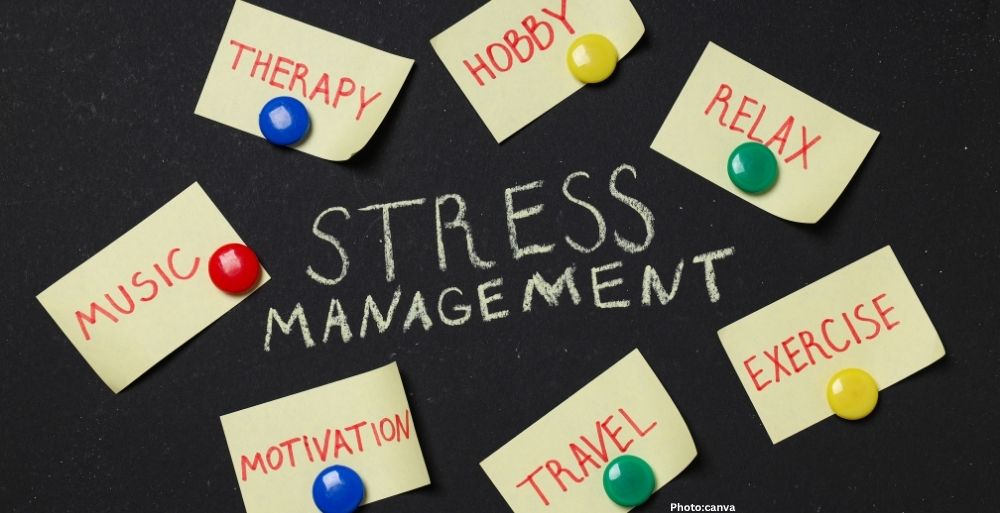
Dr. Aditi Nerurkar, author of ‘The 5 Resets,’ outlines five accessible methods for managing daily stress without the need for significant lifestyle changes.
In a recent episode of NPR’s Life Kit aired on February 6, 2024, Dr. Aditi Nerurkar, a physician and author, provided valuable insights into stress management techniques that can be easily integrated into everyday life. Her approach emphasizes that individuals do not need to embark on expensive retreats or make drastic changes to their routines to effectively handle stress. Instead, she advocates for simple, actionable steps that can lead to meaningful improvements in mental health.
The Prevalence of Stress in Modern Society
Stress is an increasingly common concern for many individuals, particularly in today’s fast-paced world. According to the American Psychological Association (APA), a large segment of the adult population in the United States experiences stress regularly, with various factors contributing to this state. Common stressors include workplace demands, financial uncertainty, and interpersonal relationships, all of which can create a cumulative effect on mental well-being. Dr. Nerurkar’s insights are particularly relevant as they provide practical tools to combat these persistent stressors.
Five Practical Techniques for Stress Reduction
In her discussion, Dr. Nerurkar outlined five straightforward techniques aimed at helping individuals manage stress effectively. These methods are designed to be easy to implement, requiring minimal time and no significant financial investment.
1. **Mindful Breathing**: Dr. Nerurkar emphasizes the importance of mindful breathing as a fundamental technique for stress reduction. She recommends taking moments throughout the day to concentrate on one’s breath, which can help center the mind and alleviate feelings of anxiety. This practice not only calms the nervous system but also promotes a state of awareness that can shift focus away from stressors.
2. **Physical Movement**: Incorporating brief bursts of physical activity into the daily routine can serve as a potent stress reliever. Dr. Nerurkar suggests simple activities such as taking short walks or engaging in stretches. These actions can invigorate both the body and mind, providing a much-needed respite from stress.
3. **Digital Detox**: With digital devices dominating attention and interaction, Dr. Nerurkar advocates for a temporary disengagement from technology. Setting boundaries around screen time can significantly lower stress levels, allowing individuals to enjoy moments of unplugged relaxation. This detox can help restore mental clarity and improve overall well-being, making it an essential practice in our technology-driven society.
4. **Gratitude Journaling**: Practicing gratitude serves as a powerful antidote to stress. Dr. Nerurkar encourages individuals to maintain a gratitude journal, where they can jot down a few things they are thankful for each day. This practice helps to shift focus away from negative thoughts and cultivates a more positive outlook on life, which can be particularly beneficial during challenging times.
5. **Nurturing Social Connections**: Finally, Dr. Nerurkar highlights the importance of maintaining social connections. Regularly reaching out to friends and family, even for brief conversations, can provide essential emotional support. Strengthening social ties can mitigate feelings of loneliness and isolation, which are often exacerbated by stress. In the context of a global pandemic that has increased social distancing, this point is especially pertinent as people seek ways to maintain connections while managing their mental health.
The Public Health Implications of Stress Management
Addressing stress is critical not only for individual health but also for broader public health outcomes. Chronic stress has been linked to various health issues, including cardiovascular diseases, anxiety disorders, and depression. The World Health Organization (WHO) has projected that by 2030, mental health disorders will be the leading cause of disability worldwide. Therefore, adopting proactive stress management techniques is essential for fostering a healthier population.
Organizations and employers play a vital role in this endeavor. By promoting mental health initiatives and creating supportive environments, workplaces can enhance employee productivity and overall satisfaction. Encouraging practices such as mindfulness and providing resources for stress management can lead to a more resilient workforce, which is beneficial not only for employees but also for the organizations they serve.
Historical Context and Future Implications
The awareness and understanding of stress have evolved significantly over recent decades. In the late 20th century, stress was often viewed primarily as a psychological issue; however, ongoing research has illuminated its physical ramifications as well. The integration of mental health awareness into public policy has gained momentum, as evidenced by initiatives aimed at promoting mental well-being in schools, workplaces, and communities. This shift emphasizes the necessity of addressing mental health as a critical component of overall health.
As society continues to navigate the challenges of the 21st century, including economic pressures, technological advancements, and social complexities, the techniques proposed by Dr. Nerurkar could play a pivotal role in equipping individuals with the tools they need to manage stress effectively. The simplicity and accessibility of these strategies underscore their potential to effect change on both personal and community levels.
Conclusion
Dr. Aditi Nerurkar’s insights present a practical framework for individuals seeking to navigate their daily stresses more effectively. By adopting her five recommended techniques, people can cultivate resilience and improve their overall quality of life without the need for extensive time or financial commitment. As awareness of mental health issues continues to grow, the significance of accessible and manageable stress reduction methods remains paramount. Through these strategies, individuals can take charge of their mental well-being and foster a healthier, more balanced lifestyle.






No Comment! Be the first one.