





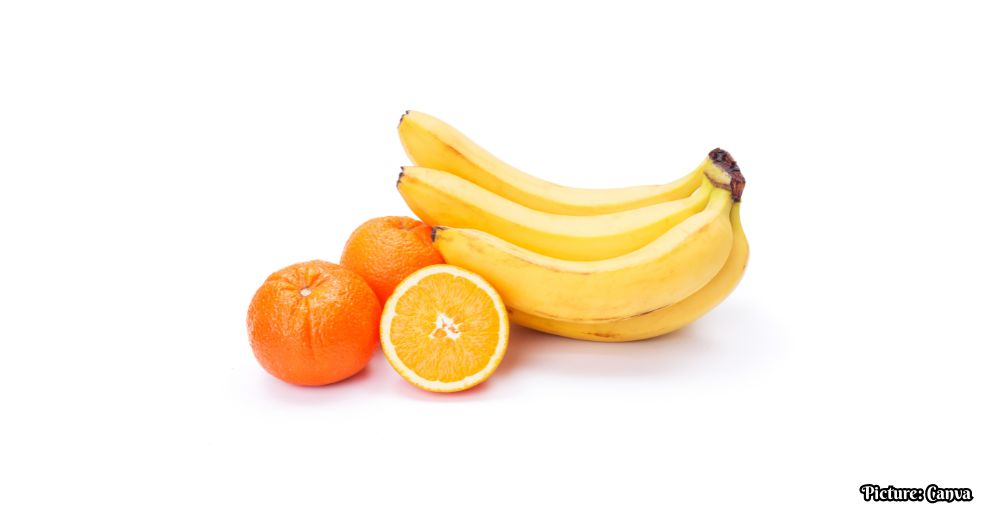
Research highlights the distinct nutritional benefits of bananas and oranges in relation to blood pressure management, emphasizing the importance of potassium and vitamin C in a heart-healthy diet.
High blood pressure, or hypertension, affects millions worldwide and is a significant contributor to cardiovascular diseases, including heart attacks and strokes. Dietary choices play a crucial role in managing blood pressure, with fruits such as bananas and oranges frequently recommended for their nutritional value. Both fruits are rich in essential nutrients, but they offer different benefits that may impact blood pressure management.
Potassium: A Key Nutrient for Blood Pressure Regulation
Bananas are particularly noted for their high potassium content, which is vital for regulating blood pressure levels. A medium-sized banana contains approximately 375 milligrams of potassium, accounting for about 8% of the recommended daily value (DV) for adults. Potassium aids in relaxing blood vessels and helps the body excrete sodium, a mineral whose excess can elevate blood pressure. In contrast, a medium orange provides around 232 milligrams of potassium, or about 5% of the DV.
According to various studies, the higher potassium content in bananas may provide greater benefits for blood pressure management than oranges, assuming all other dietary and lifestyle factors remain constant. However, experts emphasize the need for further research to directly compare the blood pressure outcomes of these two fruits. While potassium is a significant factor, the overall dietary pattern and lifestyle choices are also critical components of heart health.
The Role of Vitamin C and Antioxidants in Oranges
Oranges, on the other hand, are renowned for their vitamin C content. A single medium orange contains about 83 milligrams of vitamin C, which is roughly 91% of the DV. Vitamin C functions as an antioxidant, protecting cells from oxidative damage. Some studies indicate a potential link between vitamin C and lower blood pressure; however, most of the research has focused on high-dose vitamin C supplements, rather than dietary sources like oranges. Thus, more investigation is needed to determine whether the vitamin C from whole foods can yield similar blood pressure-lowering benefits.
In addition to vitamin C, oranges contain flavonoids, a group of antioxidants believed to enhance blood vessel function and contribute to lower blood pressure levels. The combination of vitamin C and flavonoids in oranges may help explain why regular consumption of citrus fruits is associated with a reduced risk of cardiovascular diseases, though further scientific inquiry is warranted.
Complementary Roles in a Heart-Healthy Diet
While bananas may have an advantage in potassium content, both bananas and oranges contribute valuable nutrients that support overall heart health. Incorporating a variety of fruits into one’s diet aligns well with dietary patterns aimed at reducing blood pressure, such as the Dietary Approaches to Stop Hypertension (DASH) diet. This diet emphasizes the consumption of fruits, vegetables, whole grains, and low-fat dairy while limiting saturated fats and sodium.
Experts recommend that individuals seeking to optimize their blood pressure management should not feel compelled to choose between bananas and oranges. Instead, a diverse diet that includes both, along with other fruits and vegetables, can enhance nutrient intake and promote better health outcomes. A varied diet rich in produce has been consistently linked to improved blood pressure levels.
Other Fruits and Lifestyle Factors
Apart from bananas and oranges, numerous other fruits have been associated with lower hypertension risk. Research indicates that increased consumption of apples, pears, blueberries, raisins, grapes, and avocados may also contribute to better blood pressure control. Furthermore, potassium-rich options such as cantaloupe, kiwi, apricots, and prunes can further support blood pressure management.
Beyond dietary choices, several lifestyle factors are crucial in managing blood pressure. Regular physical activity, maintaining a healthy weight, and minimizing sodium intake are all effective strategies. Moreover, adherence to specific recommendations from healthcare professionals is essential for individuals with hypertension.
Conclusion
In summary, both bananas and oranges offer unique health benefits that can contribute to effective blood pressure management. While bananas may provide a higher potassium content, oranges deliver important vitamins and antioxidants that also support heart health. A balanced approach that includes both fruits, alongside a variety of other nutrient-rich foods, is recommended for those looking to maintain healthy blood pressure levels. Ultimately, the integration of fruits into a balanced diet, coupled with a healthy lifestyle, remains one of the most effective strategies for managing hypertension.





No Comment! Be the first one.