





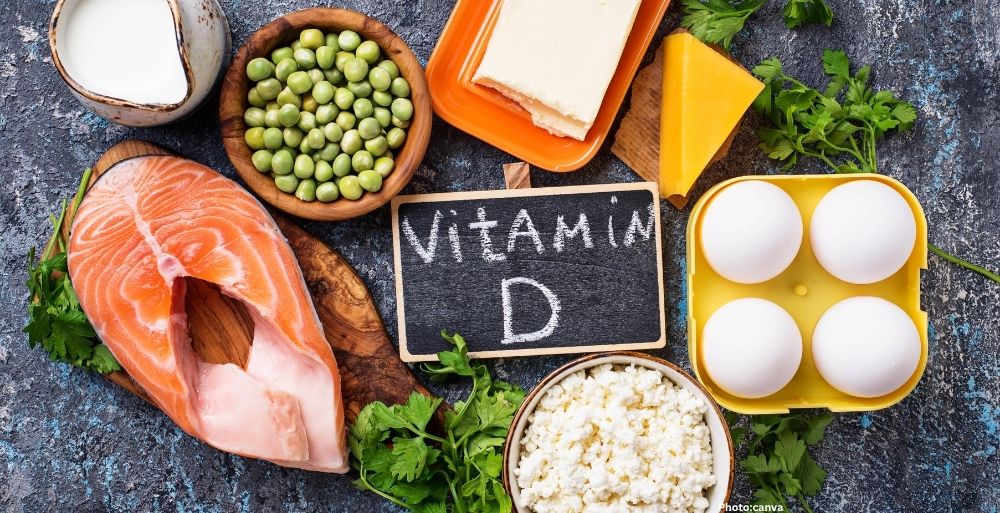
A comprehensive examination of superfoods that promote bone strength, highlighting the essential nutrients including calcium, magnesium, and vitamin D that contribute to overall bone health.
The increasing prevalence of osteoporosis and other bone-related health issues among diverse populations underscores the importance of nutrition in maintaining bone strength. Recent research has identified several superfoods that provide essential nutrients crucial for bone health, emphasizing the roles of calcium, magnesium, vitamin K, and other vital components.
The Role of Calcium in Bone Health
Calcium is widely acknowledged as a cornerstone nutrient for maintaining bone density and preventing conditions such as osteoporosis. While dairy products are commonly regarded as primary sources of calcium, numerous vegetables also offer substantial amounts. For instance, one cup of cooked turnip greens contains approximately 200 milligrams of calcium, which represents about 20% of the recommended daily intake for adults. Other dark leafy greens, such as bok choy, kale, and collard greens, similarly provide significant calcium while being rich in vitamin K. Vitamin K has been associated with a reduced risk of osteoporosis, contributing to the overall strength of bones.
Magnesium and Potassium: Essential Nutrients
In addition to calcium, magnesium and potassium play critical roles in supporting bone health. Magnesium is integral to the metabolism of vitamin D, which is vital for calcium absorption. A baked medium-sized sweet potato, for example, offers 31 milligrams of magnesium and a remarkable 542 milligrams of potassium. Potassium is instrumental in neutralizing bodily acids that can leach calcium from bones, thereby helping to preserve bone density.
Citrus Fruits: Benefits Beyond Flavor
Citrus fruits, particularly grapefruit, are notable sources of vitamin C, a nutrient that has been shown to help prevent bone loss. One whole pink or red grapefruit provides about 88 milligrams of vitamin C, meeting the daily requirement for this essential nutrient. For those who may find grapefruit too tart, navel oranges present a sweeter alternative, delivering about 83 milligrams of vitamin C.
The Nutritional Power of Figs
Figs are another fruit that deserves attention for their bone health benefits. Five medium fresh figs contain approximately 90 milligrams of calcium, alongside potassium and magnesium. Fresh figs are typically harvested during the summer and fall months, but dried figs are available year-round, with half a cup providing 121 milligrams of calcium. The versatility of figs makes them an excellent addition to a bone-healthy diet.
Fatty Fish: A Nutrient-Rich Option
Fatty fish, such as salmon, are rich in vital nutrients that contribute to bone health. They contain vitamin D, which aids in calcium utilization, as well as omega-3 fatty acids, which may also support bone strength. Canned salmon is particularly noteworthy, providing 187 milligrams of calcium per three-ounce serving due to the inclusion of soft, edible bones in the canning process.
Almonds and Tofu: Versatile Dietary Choices
Almonds, whether consumed as a snack or in almond butter form, represent an easy method to boost calcium intake. Two tablespoons of almond butter contain 111 milligrams of calcium, along with 240 milligrams of potassium. Tofu, especially calcium-enriched varieties, is another powerhouse food for bone health. A half-cup of calcium-enriched tofu can provide over 860 milligrams of calcium. Furthermore, research indicates that isoflavones present in tofu may help ward off bone diseases, particularly in postmenopausal women.
Fortified Foods: Enhancing Nutritional Value
While orange juice is not naturally high in calcium, many manufacturers enhance its nutritional profile by fortifying it with calcium and vitamin D. Fortified orange juice can provide a calcium content comparable to that of dairy milk, making it a viable option for individuals seeking to increase their calcium intake.
The Surprising Benefits of Prunes
Dried plums, commonly referred to as prunes, are often associated with digestive health but also offer substantial benefits for bone density. Research suggests that daily consumption of prunes, when combined with adequate calcium and vitamin D intake, can slow the rate at which bone is broken down, thereby supporting overall bone strength.
Molasses: A Sweet Source of Calcium
In contrast to refined sugars, molasses emerges as a beneficial source of calcium. One tablespoon of molasses contains about 41 milligrams of calcium, providing a nutritious alternative for sweetening foods. It can be utilized in various ways, such as a topping for yogurt or oatmeal, or blended into smoothies for added flavor and nutrients.
Conclusion: A Diverse Diet for Strong Bones
In conclusion, incorporating a diverse range of these superfoods into one’s diet can significantly contribute to maintaining bone health and preventing osteoporosis. As nutritional science continues to evolve, understanding the benefits of these foods and their roles in a balanced diet will be crucial for individuals seeking to enhance their dietary habits for optimal bone strength. A proactive approach to nutrition, focusing on these key nutrients, can empower individuals to take charge of their bone health, potentially reducing the risk of osteoporosis and related conditions.





No Comment! Be the first one.