





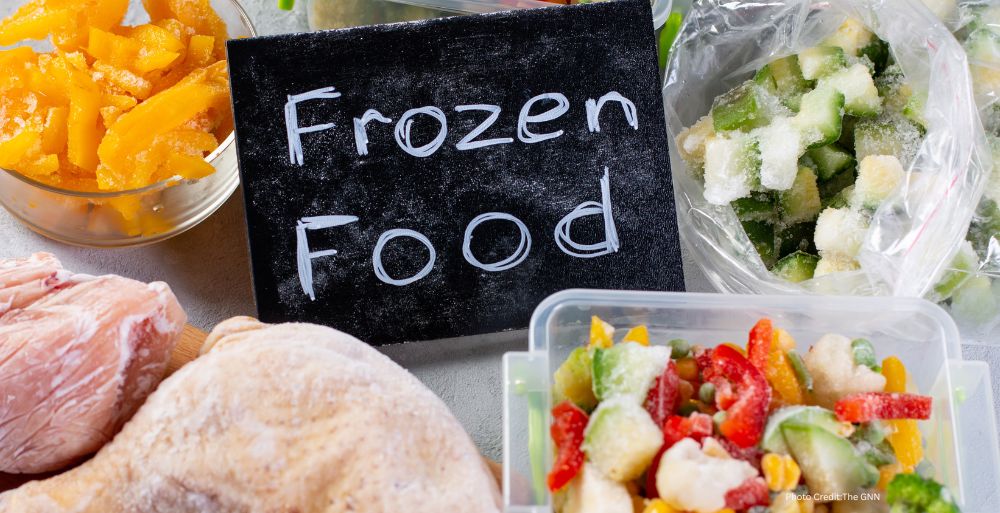
Nutrition experts recommend incorporating specific frozen foods into diets to enhance cognitive health and protect against cognitive decline.
As concerns about cognitive health grow, particularly among aging populations, dietary choices play a critical role in maintaining optimal brain function. A recent analysis of frozen foods highlights their potential as a beneficial option for enhancing cognitive health without incurring high costs. These foods, rich in essential nutrients, are gaining attention for their role in supporting cognitive wellness.
Frozen foods are often flash-frozen at their peak ripeness, which helps preserve their nutritional value. This method not only locks in essential vitamins and minerals but also improves convenience and affordability, allowing consumers to reduce food waste and save time in meal preparation. Frozen foods can serve as a reliable and accessible source of nutrients linked to cognitive health.
Understanding Brain Health and Nutrition
Research indicates that as we age, our cognitive abilities can decline. However, studies have shown that certain nutrients can help mitigate this decline. Foods rich in antioxidants, omega-3 fatty acids, vitamins, and minerals are essential for maintaining brain health. A well-balanced diet can support memory, improve focus, and protect against neurodegenerative diseases.
Key Frozen Foods for Cognitive Health
Nutrition experts have identified several frozen food options that are particularly beneficial for cognitive health. These foods are packed with nutrients that support brain function and may help reduce the risk of cognitive decline.
1. Frozen Berries
Berries, especially wild blueberries, are highlighted as a powerhouse for brain health. According to Cheryl Mussatto, M.S., RD, LD, a registered dietitian based in Kansas, berries are rich in antioxidants and phytochemicals. Research indicates that individuals with mild cognitive decline who consumed wild blueberry powder daily for six months demonstrated improved mental processing speed and reduced cognitive fatigue. The versatility of frozen berries allows them to be easily incorporated into smoothies, oatmeal, or baked goods, making them a convenient option for enhancing cognitive health.
2. Frozen Leafy Greens
Carolina Schneider, M.S., RD, a dietitian from Brooklyn, advocates for the inclusion of frozen leafy greens such as spinach and kale in the diet. These greens are abundant in vitamin K, which has been linked to enhanced memory and cognitive function. Just one cup of chopped frozen spinach can provide nearly five times the Daily Value for vitamin K. Leafy greens can be easily added to a variety of dishes, from smoothies to hearty soups, making them an excellent choice for boosting nutrition.
3. Frozen Cruciferous Vegetables
Cruciferous vegetables, including broccoli, cauliflower, and Brussels sprouts, are also recommended for their high content of vitamin K and beneficial compounds like sulforaphane. Schneider notes that sulforaphane may protect brain cells from oxidative stress and inflammation, potentially improving processing speed and mood among older adults. Techniques such as air frying or roasting can enhance the texture and flavor of these vegetables, making them more appealing and enjoyable to eat.
4. Frozen Fatty Fish
Fatty fish varieties, including salmon, mackerel, and herring, are rich in omega-3 fatty acids that are essential for maintaining brain cell structure and function. Research has consistently shown that regular consumption of omega-3s can improve learning and memory. The convenience of frozen fatty fish allows consumers to avoid spoilage while still benefiting from this important nutrient. For those unfamiliar with cooking fatty fish, simple recipes can be found that utilize frozen options, such as grilled mackerel or salmon bites.
5. Frozen Edamame
Edamame, young soybeans, are recognized for their protein and fiber content, along with important nutrients linked to cognitive health. These legumes are particularly high in soy isoflavones, which have been associated with lower rates of cognitive decline. A half-cup serving of prepared frozen edamame provides more than half of the Daily Value for folate, which is believed to help protect against depression. Quick and convenient, edamame can be incorporated into various dishes or served as a healthy snack.
6. Frozen Butternut Squash
Finally, frozen butternut squash is noted for its carotenoid content, which is crucial for maintaining brain health. These pigments not only support healthy vision but also play a role in neuroplasticity, aiding in the formation of new connections in the brain. The year-round availability of frozen butternut squash simplifies meal preparation, as it can be easily added to soups, salads, or pasta without the need for peeling. This versatility makes it an easy addition to a brain-healthy diet.
The Bottom Line
Optimal nutrition is paramount for maintaining cognitive health, and the frozen food aisle offers a practical solution for incorporating essential nutrients into daily diets. Foods such as frozen berries, leafy greens, cruciferous vegetables, fatty fish, edamame, and butternut squash provide a wealth of vitamins and antioxidants beneficial for brain function. As consumers increasingly seek accessible and affordable options for healthy eating, the advantages offered by frozen foods present a compelling case for their inclusion in regular meal planning. Prioritizing these nutrient-dense options can contribute to long-term cognitive health and overall well-being.




No Comment! Be the first one.