




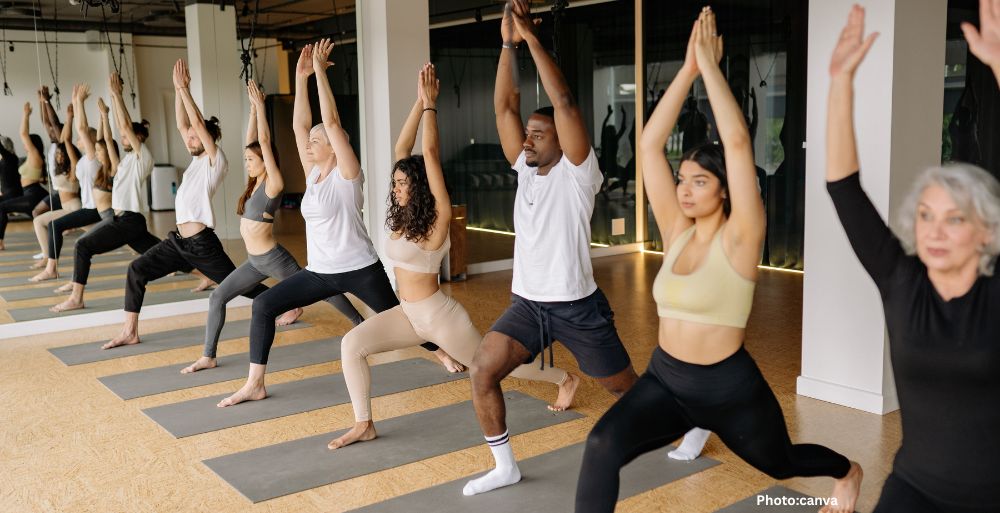
Olive Walton, a yoga teacher and mixed movement coach, presents a 16-minute mobility routine aimed at alleviating the physical and mental strains associated with prolonged sitting, emphasizing the importance of movement for overall well-being.
In an era where many individuals find themselves tethered to their desks for extended periods, Olive Walton—an experienced yoga teacher and mixed movement coach—has developed a 16-minute yoga-inspired mobility practice designed to combat the physical and mental repercussions of a sedentary lifestyle. Since 2018, Walton has dedicated their efforts to exploring how movement can enhance body mobility and overall well-being. Their latest initiative underscores the urgent need for effective strategies to address the discomforts linked to prolonged sitting, such as tight hips, aching lower backs, and hunched shoulders.
Walton asserts that the consequences of a sedentary lifestyle extend beyond mere physical discomfort. “Those moments during work when you can’t seem to read a single email without taking an Instagram break might be your mind’s way of saying you need to get up and gain some inspiration through movement,” they noted. This perspective reflects a growing understanding of the intricate relationship between physical activity and mental health, particularly in a workplace culture that often glorifies long hours of sedentary labor.
The Mental Health Connection
A wealth of research underscores the significant role that physical activity plays in maintaining mental health. A study published in the journal JAMA Psychiatry highlights that regular movement can markedly reduce symptoms of anxiety and depression. Furthermore, the World Health Organization (WHO) recommends that adults engage in at least 150 minutes of moderate-intensity aerobic activity each week to sustain optimal health. Given the increasing rates of anxiety and depression in modern society, particularly among working adults, Walton’s mobility practice can serve as a timely intervention.
The 16-minute routine is structured to be adaptable to various schedules, providing a quick yet effective means to rejuvenate both body and mind. Participants require only comfortable clothing and a small space to perform the exercises, making this practice accessible to almost anyone, regardless of their work environment. By incorporating mobility practices like Walton’s into their day, individuals can potentially mitigate the negative impacts of long periods of inactivity.
Overview of the Mobility Routine
The routine consists of several targeted exercises designed to enhance movement across different body areas:
- Standing Spinal Rotation: This exercise involves standing with feet hip-distance apart and twisting the torso to promote spinal flexibility.
- Shoulder Circles: By executing circular movements with the shoulders, individuals can alleviate tension accumulated in the upper body.
- Hip Airplanes: This balance-focused activity aims to open the hips, crucial for improving lower body mobility.
- Upper Body Circles: Similar to shoulder circles, this movement aids in loosening the upper back and neck.
- Wrist and Forearm Stretches: These stretches counteract the strain from prolonged typing and repetitive hand movements.
- Ankle Stretches: Engaging the ankles helps prevent stiffness, particularly for those who spend considerable time seated.
- Squat Stretches: This exercise promotes flexibility in the hips and lower back, essential for overall mobility.
- Rag Doll: A forward fold that allows for deep relaxation of the spine and neck, encouraging a sense of release.
Each exercise is designed to foster movement and fluidity in the body, providing relief for individuals who may feel stiff or fatigued after long hours of desk work. Walton encourages practitioners to listen to their bodies and modify the movements as needed, ensuring that the practice remains beneficial and comfortable.
Implications for Workplace Wellness
The increasing recognition of the importance of mental health in the workplace has led many organizations to explore wellness initiatives that incorporate physical activity. A report from the Global Wellness Institute suggests that companies investing in employee wellness programs can see a return on investment ranging from $3 to $6 for every dollar spent. By integrating brief mobility practices like Walton’s into the daily routines of employees, organizations may enhance focus, creativity, and overall job satisfaction.
Walton concludes, “Take a few minutes and find out whether sitting through reading that email doesn’t get way easier after this practice.” This statement emphasizes the potential for even brief moments of movement to significantly improve one’s work experience and overall health.
Conclusion: Movement as a Necessity
As remote work and hybrid models continue to shape the modern professional landscape, the necessity of integrating movement into daily routines cannot be overstated. The consequences of a sedentary lifestyle are not merely physical; they extend into mental and emotional domains as well. Walton’s approach offers a practical solution that aligns with current wellness trends, promoting physical and mental well-being in a fast-paced, increasingly sedentary world. By adopting such practices, individuals can take proactive steps toward enhancing their health and productivity, ultimately leading to a more balanced and fulfilling work life.



No Comment! Be the first one.