



Flight Attendants Warn Against Ordering Hot Beverages on Airplanes Due to Water Quality Concerns

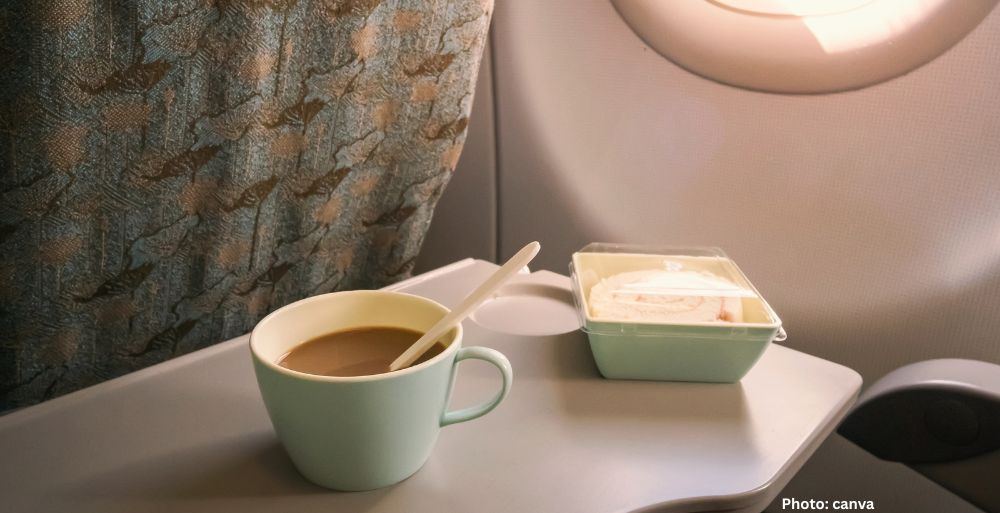
Flight attendants are advising travelers to avoid ordering hot coffee or tea during flights due to potential contamination from poorly maintained onboard water tanks.
In a recent advisory echoed by flight attendants from multiple major airlines, passengers are being cautioned against ordering hot beverages such as coffee and tea while traveling in the skies. The concern stems from the quality of water used to prepare these drinks, which is sourced from onboard water tanks that are reportedly not cleaned regularly.
Former flight attendant Kaz Marzo, speaking to Southern Living, highlighted the issue of inadequate maintenance, stating, “I’ve personally witnessed maintenance crews neglect proper tank-cleaning protocols. The pipes also collect mineral buildup over time.” This statement underscores a growing concern among airline personnel regarding the safety of beverages served on flights.
Health Risks Associated with Onboard Water
Further emphasizing these warnings, Kat Kamalani, another former flight attendant, shared her perspective in a TikTok video posted in 2021. Kamalani urged travelers to avoid consuming any liquid that is not sealed in a can or bottle, stating, “Never consume any liquid that is not in a can or a bottle. The reason being is because those water tanks are never cleaned and they are disgusting.” In her account, she detailed that coffee machines are infrequently cleaned unless they break down, exacerbating concerns about hygiene.
In her video, Kamalani also addressed the particular risks for parents traveling with infants. She advised against using hot water from the plane for baby bottles due to potential bacterial contamination. Instead, she recommended asking for bottled water on the side and hot water in a cup, enabling parents to safely prepare bottles with the bottled water.
A Comprehensive Study on Airline Water Quality
The warnings issued by flight attendants find support in a comprehensive study on airline water quality published in December 2025. Conducted by the Center for Food as Medicine and Longevity (CFML), the study ranked the water quality from ten major and eleven regional airlines over a three-year period. It evaluated factors such as the number of violations per aircraft, Maximum Contaminant Level violations for E. coli, and the frequency of disinfecting and flushing procedures.
CFML director Charles Platkin reported that Delta Air Lines, Frontier Airlines, and Alaska Airlines are recognized as having the “safest water in the sky.” However, he also noted, “nearly all regional airlines need to improve their onboard water safety,” highlighting a significant gap in the safety standards applied across the airline industry.
Regulatory Framework for Airline Water Safety
The federal government enacted the Aircraft Drinking Water Rule in 2011, which mandates that airlines provide safe drinking water to passengers and crew. However, the findings of the CFML study suggest that compliance with safety regulations does not necessarily guarantee the quality of water served to passengers. The CFML has since recommended that travelers avoid drinking water that is not provided in a sealed bottle, reinforcing the need for caution even when regulations are in place.
The implications of these findings are significant, particularly for frequent flyers and families traveling with children. As awareness of the cleanliness of airline water supplies grows, travelers may need to reconsider their beverage choices during flights. The advice to avoid hot beverages and instead opt for bottled or canned drinks could represent a proactive measure to mitigate potential health risks associated with contaminated water.
The Broader Impact on Airline Practices
As the aviation industry seeks to rebound from the disruption caused by the COVID-19 pandemic, ensuring passenger safety is paramount. The scrutiny surrounding airline practices related to water quality may prompt airlines to enhance their maintenance protocols and increase transparency regarding the safety of onboard beverages. The call for better hygiene in airline water systems could lead to systemic changes in how airlines manage their water supplies, ultimately benefiting passenger health.
In light of these developments, passengers are encouraged to remain vigilant about their choices while flying. The collective voices of flight attendants serve as a critical reminder of the importance of health and safety in the aviation sector. As airlines continue to navigate the challenges posed by the pandemic and beyond, addressing concerns related to drinking water quality may become an integral part of their overall commitment to passenger safety.
In summary, while the experience of enjoying a hot beverage during a flight can be appealing, the risks associated with the quality of water used in these drinks cannot be ignored. Passengers are advised to heed the warnings of industry professionals and prioritize their health by opting for bottled or canned drinks during their travels.



No Comment! Be the first one.