




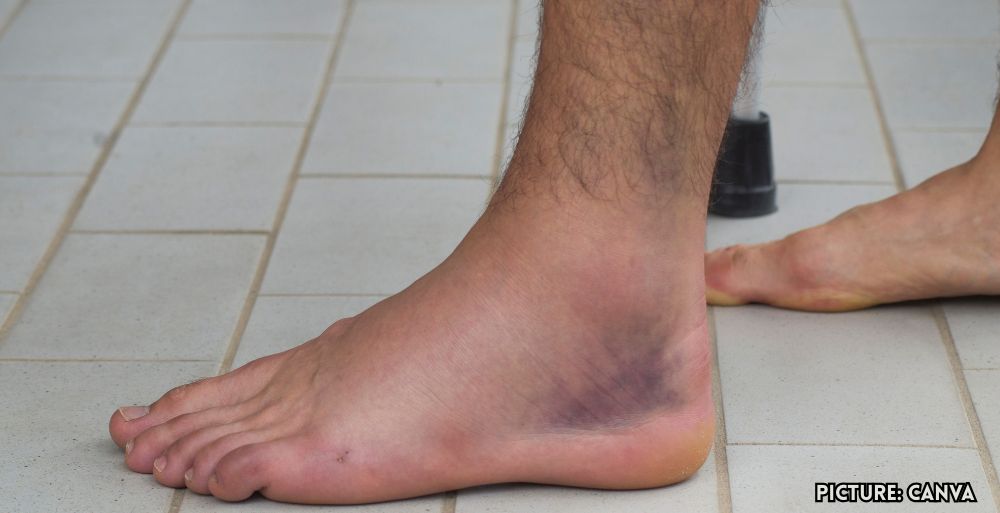
Swollen feet and ankles can result from various health conditions, ranging from benign to serious. Understanding the causes and symptoms is crucial for timely medical intervention.
Swollen feet and ankles, a condition known medically as edema, can significantly impact mobility and quality of life. This swelling occurs when excess fluid accumulates in the tissues, particularly in the lower extremities. Such fluid retention can arise from a variety of factors, ranging from benign issues to serious health conditions, making it essential to identify the underlying causes for effective management and treatment.
Common Causes of Swelling
Edema can manifest under different circumstances. One common scenario involves the body retaining excess water, which can lead to noticeable puffiness in the feet, hands, and even the face. This condition can result from prolonged periods of standing or sitting, exposure to high temperatures, or hormonal fluctuations during a woman’s menstrual cycle. While this type of swelling is generally self-limiting and resolves on its own, it can also indicate more severe health issues such as low protein levels, heart failure, kidney disease, or liver dysfunction.
Trauma and Injury
Swelling can also occur as a direct response to physical trauma. For example, injuries like a sprained ankle or a broken bone often lead to localized swelling as blood rushes to the affected area to facilitate healing. In these cases, medical attention is warranted if the swelling is accompanied by severe pain, difficulty in bearing weight, or visible deformity of the foot.
Pregnancy-Related Swelling
Pregnant women frequently experience swollen feet due to increased fluid retention in the body. This condition is particularly common later in the day or after extended periods of standing. While such swelling is usually not cause for concern, it is crucial for pregnant women to monitor for additional symptoms. If swelling occurs alongside headaches, nausea, difficulty breathing, or abdominal pain, it may indicate preeclampsia—a potentially serious condition arising after the 20th week of pregnancy, characterized by high blood pressure and associated risks to both mother and child.
Lymphedema and Fluid Retention
Lymphedema is another significant cause of swelling, which occurs when lymph nodes are damaged or removed, often during cancer treatments. This condition impairs the body’s ability to properly drain lymph fluid, resulting in swelling in the affected limbs. Treatment options for lymphedema may include pneumatic compression therapy, which uses a sleeve that applies intermittent pressure to promote fluid movement, as well as exercises, massage, and the use of compression garments.
Circulatory Issues
The circulatory system plays a crucial role in preventing fluid accumulation in the extremities. Blood returns to the heart through veins equipped with one-way valves that prevent backflow. Damage to these valves, which can occur due to age or prolonged periods of sitting or standing, can lead to blood pooling in the feet and legs, resulting in swelling. Conditions such as heart failure can exacerbate this issue, as inefficient pumping by the heart can cause blood to back up in the lower extremities, leading to discomfort and symptoms such as shortness of breath or an irregular heart rhythm.
Kidney and Liver Function
The kidneys are vital for filtering waste from the blood. Impaired kidney function, due to conditions like diabetes or high blood pressure, can result in excessive sodium retention, leading to fluid retention in the feet and ankles. Similarly, liver diseases—particularly those resulting from chronic alcohol consumption or hepatitis—can hinder the organ’s ability to function properly, causing fluid to accumulate in various parts of the body, including the feet.
Management and Treatment Options
Management of swollen feet often involves a combination of rest, ice, compression, and elevation—commonly referred to as the RICE method. Rest and elevation help reduce swelling by promoting fluid movement away from the feet, while ice can constrict blood vessels, limiting blood flow and alleviating pain. Compression socks or wraps can also assist in pushing fluid away from the lower extremities.
The Role of Medication
Medications can also play a significant role in fluid retention. Certain drugs used to manage high blood pressure, diabetes, and inflammation can contribute to swelling. Conversely, diuretics may be prescribed to help the body eliminate excess fluid through increased urination. Patients are strongly advised to consult their healthcare provider before making any changes to their medication regimen to avoid complications.
When to Seek Medical Attention
It is crucial to seek immediate medical attention if swelling is accompanied by chest pain or shortness of breath, as these symptoms may indicate a blood clot or fluid accumulation in the lungs, both of which can be life-threatening. Additionally, individuals should consult a healthcare provider if they experience persistent swelling that leaves an indentation after pressing, skin that appears stretched or breaks, or if pain and swelling do not resolve with standard interventions.
Conclusion
Understanding the causes and variations of swollen feet is essential for individuals to seek appropriate medical care and manage their symptoms effectively. Awareness of one’s body and timely medical intervention can significantly improve outcomes associated with swelling. By recognizing when swelling may indicate a serious health issue, individuals can take proactive steps to address their health and well-being.



No Comment! Be the first one.