





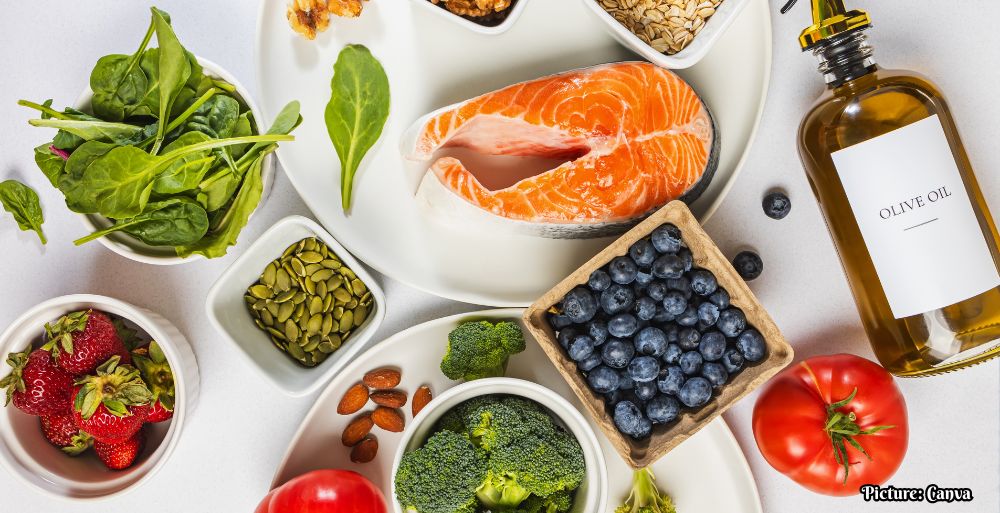
Salmon, lentils, Greek-style yogurt, edamame, and tofu are highlighted as high-protein foods that also support a healthy inflammatory response, offering more protein than an egg.
As dietary trends evolve, protein-rich foods are increasingly recognized for their potential health benefits, particularly in relation to inflammation. Recent discussions among nutrition experts have identified several foods that not only provide substantial protein content but also possess compounds that may help mitigate inflammatory processes in the body. This article examines five notable foods that exceed the protein content of an egg, which contains approximately 6 grams of protein.
Salmon: A Protein Powerhouse
Salmon, particularly sockeye salmon, stands out as a premier source of protein and anti-inflammatory properties. A standard 3-ounce serving delivers about 19 grams of protein alongside nearly 2 grams of omega-3 fatty acids, specifically eicosapentaenoic acid (EPA) and docosahexaenoic acid (DHA). According to Payton Brewer, M.S., RDN, LD, CPT, omega-3 fatty acids play a vital role in reducing the production of inflammatory signaling molecules in the body. Despite the benefits, only about 20% of Americans consume the recommended two servings of seafood per week.
To enhance the anti-inflammatory and protein content of salmon, experts suggest pairing it with pesto made from walnuts, pine nuts, and hemp seeds. This combination not only elevates the nutritional profile but also adds flavor and variety to meal preparations.
Lentils: The Power of Plant Protein
Another protein-rich option is lentils, which provide a considerable 9 grams of protein per half-cup serving, surpassing the protein content of an egg. Additionally, lentils are an excellent source of dietary fiber, offering about 8 grams per serving, which constitutes approximately 29% of the daily value recommended for adults. Fiber is essential for maintaining gut health and may contribute significantly to regulating inflammation.
Brewer emphasizes the interconnectedness of gut health and inflammation, noting that certain gut bacteria ferment fibers from lentils, producing short-chain fatty acids that support gut health and manage inflammatory responses. Furthermore, lentils are rich in polyphenols, antioxidants that counteract free radicals and may further reduce inflammation.
Strained (Greek-Style) Yogurt: A Probiotic Powerhouse
Strained yogurt, commonly referred to as Greek-style yogurt, offers approximately 13 grams of protein per half-cup serving, which is more than double the protein found in a standard egg. This yogurt variety is unique in its inclusion of probiotics—live bacteria that promote a balanced gut microbiome. Brewer points out that Greek yogurt also contains conjugated linoleic acid (CLA), a compound linked to improved immune and inflammatory responses.
This yogurt serves as a versatile ingredient, making it suitable for a high-protein breakfast, snack, or dessert. Its combination of probiotics and CLA makes it a straightforward choice for those seeking to enhance their gut and immune health without major dietary changes.
Edamame: A Nutrient-Rich Snack
Edamame, or young soybeans, is a lesser-known but highly nutritious food that boasts a significant protein content of 18 grams per cup, along with 8 grams of fiber. Brewer notes that edamame is a prime example of a plant-based protein that incorporates protein, fiber, and antioxidants. The isoflavones present in edamame possess antioxidant properties that may help regulate inflammatory pathways.
Edamame can be easily incorporated into various dishes such as stir-fries, salads, and soups, or enjoyed as a standalone snack. Its versatility makes it an excellent choice for individuals looking to increase their intake of protein and anti-inflammatory compounds.
Tofu: A Versatile Soy Protein Source
Tofu, another soy-based option, contains a remarkable 22 grams of complete protein per half-cup serving. Like edamame, tofu is rich in isoflavones, which are associated with antioxidant and anti-inflammatory benefits. Nutritionists recommend tofu for its adaptability in a wide range of recipes, from scrambles and stir-fries to salads and smoothies.
Conclusion: Emphasizing Variety in Protein Sources
While eggs are a well-known source of protein, incorporating a variety of foods such as salmon, lentils, strained yogurt, edamame, and tofu can enhance both protein intake and support a healthy inflammatory response. Each of these foods contributes at least 9 grams of protein per serving alongside beneficial nutrients and compounds, including polyphenols, omega-3 fatty acids, and isoflavones.
Nutrition experts advocate for a diverse dietary approach rather than focusing solely on individual foods. By rotating these protein-rich options throughout the week, along with enjoying eggs and other nutritious foods, individuals can effectively meet their protein needs while adhering to an anti-inflammatory eating pattern.





No Comment! Be the first one.