





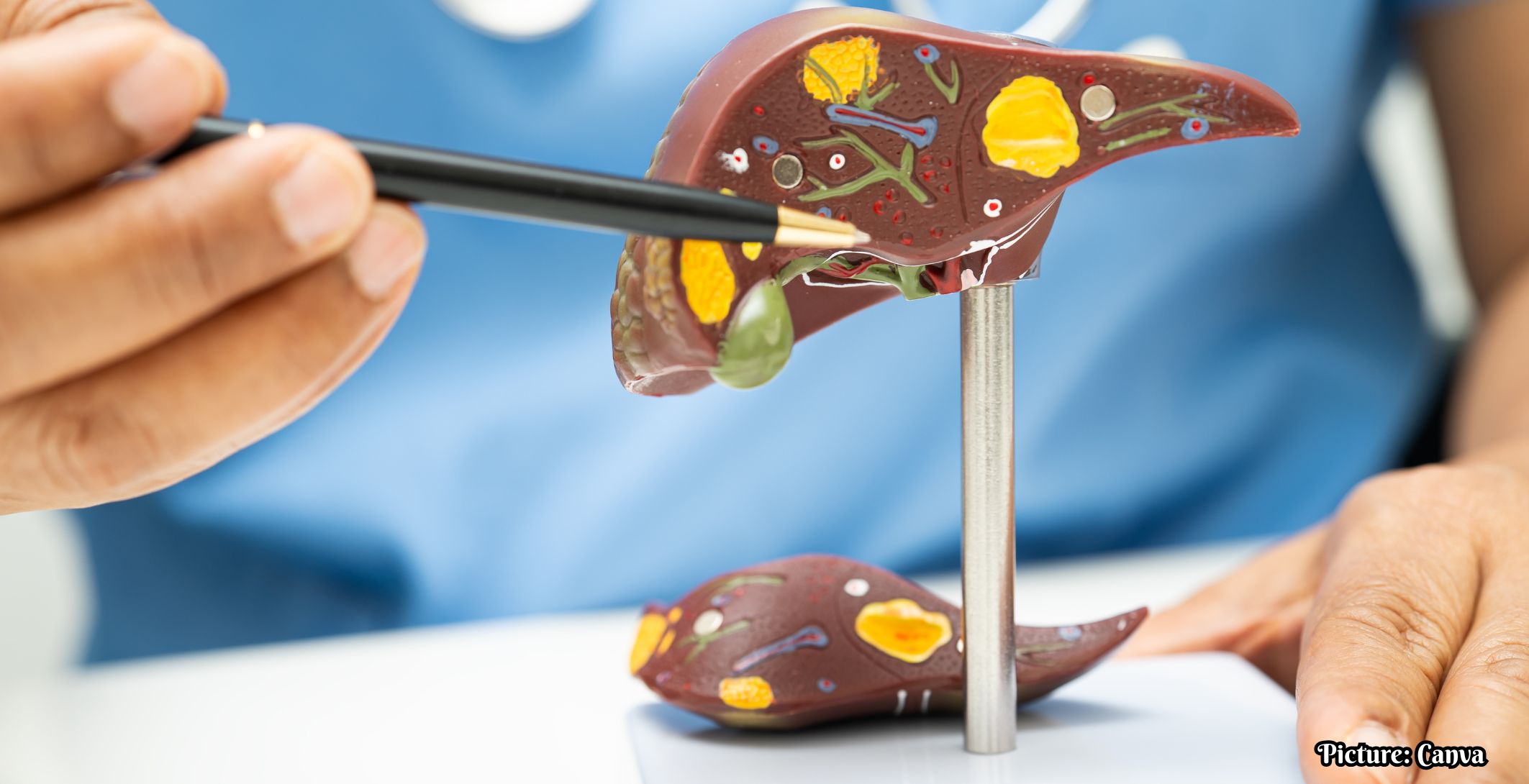
Cirrhosis is a severe liver disease characterized by the progressive scarring of liver tissue, which can lead to serious health complications if not managed properly.
Cirrhosis, a severe form of liver disease, arises from a variety of causes and results in the gradual replacement of healthy liver tissue with scar tissue. This process can obstruct blood flow within the liver, impairing its ability to filter toxins and synthesize essential proteins. Over time, untreated cirrhosis can lead to complete liver failure, highlighting the importance of early detection and management of the disease.
Initially, individuals with cirrhosis may not experience noticeable symptoms. However, as the disease progresses, they may begin to feel chronic fatigue, experience decreased appetite, and display signs such as jaundiced skin and easy bruising. The presence of dark urine and swelling in the abdomen and legs due to fluid retention are also common indicators. Cognitive symptoms like confusion and forgetfulness may occur as well.
Alcohol Consumption and Liver Health
Excessive alcohol consumption is a well-documented risk factor for cirrhosis. Regular intake of more than one to two alcoholic beverages per day over several years can lead to liver inflammation and fat accumulation. The threshold for liver damage varies from person to person, and there is no universally “safe” level of alcohol consumption. Health professionals recommend consulting with a doctor if alcohol use begins to interfere with daily life or responsibilities.
Metabolic Factors and Non-Alcoholic Fatty Liver Disease
In recent years, the medical community has recognized a condition known as metabolic dysfunction-associated steatotic liver disease (MASLD), which occurs when factors other than alcohol contribute to fat accumulation in the liver. Conditions such as obesity, diabetes, high cholesterol, and hypertension increase the risk of developing this form of liver disease. If the fat buildup progresses to liver inflammation, it is termed metabolic dysfunction-associated steatohepatitis (MASH), which can lead to cirrhosis if left untreated. Symptoms may include weight loss, fatigue, weakness, and skin issues such as spider veins or itching.
Infectious and Autoimmune Causes
Chronic infections, particularly from the hepatitis C virus, are among the most common causes of cirrhosis. The World Health Organization estimates that approximately 71 million people worldwide are infected with hepatitis C, making it a significant global health concern. Other potential causes include autoimmune diseases, certain medications, and various bacterial or viral infections. Hepatitis C, in particular, is transmitted through contact with infected blood, which can occur through unsafe injection practices, sharing needles, receiving tattoos or piercings with unsterilized equipment, sharing personal items, or engaging in unprotected sexual activity with an infected partner.
Impact of Bile Duct Obstruction
The liver’s functionality is also affected by conditions that obstruct the bile ducts, small tubes responsible for carrying bile from the liver to the gallbladder. These obstructions can lead to fluid accumulation, resulting in inflammation and subsequent liver damage. Treatment options typically depend on the underlying cause and may include medications or minor surgical procedures to clear the ducts. According to a study published in the Journal of Hepatology, timely intervention can significantly improve outcomes for patients with bile duct obstructions.
Medications and Herbal Supplements
Certain medications, including methotrexate and isoniazid, are known to have hepatotoxic effects that can precipitate cirrhosis. Other drugs, such as some antibiotics, statins, and acetaminophen, may also harm liver health, particularly when combined with other health factors. Patients are advised to discuss all medications and supplements with their healthcare providers to monitor for adverse effects such as fatigue, nausea, and skin reactions. A recent survey by the American Association for the Study of Liver Diseases found that nearly 40% of patients with liver disease were unaware of the potential liver toxicity of their medications.
Diagnosis and Management of Cirrhosis
The diagnosis of cirrhosis typically involves a thorough physical examination, patient history, and various diagnostic tests. Healthcare providers may order blood tests to assess liver function and imaging studies such as ultrasounds, X-rays, or magnetic resonance imaging (MRI) to visualize liver structure. In some cases, a biopsy may be performed to examine liver tissue under a microscope. The use of non-invasive markers for liver fibrosis is becoming increasingly popular, as they provide a safer alternative to traditional biopsy procedures.
Strategies for Treatment and Support
While there is currently no cure for the existing liver scarring caused by cirrhosis, treatment strategies aim to halt or slow the progression of the disease. Effective management may include addressing the underlying cause, such as participating in alcohol cessation programs for those with alcohol use disorders, implementing weight loss strategies for individuals with fatty liver disease, or utilizing antiviral medications for hepatitis infections. Collaboration with healthcare providers is key to developing a personalized treatment plan for those affected by cirrhosis. Support groups and counseling services can also play a vital role in helping patients cope with the emotional and psychological impacts of the disease.
Conclusion: Importance of Early Detection
As cirrhosis can develop silently over many years, awareness of its risk factors and symptoms is crucial for prevention and early intervention. Individuals at higher risk, including those with a history of heavy alcohol use, obesity, or viral hepatitis, should engage in regular medical check-ups that include liver function assessments. Educational initiatives aimed at increasing public knowledge about liver health and the dangers of cirrhosis could play a pivotal role in reducing its prevalence and improving health outcomes.





No Comment! Be the first one.