





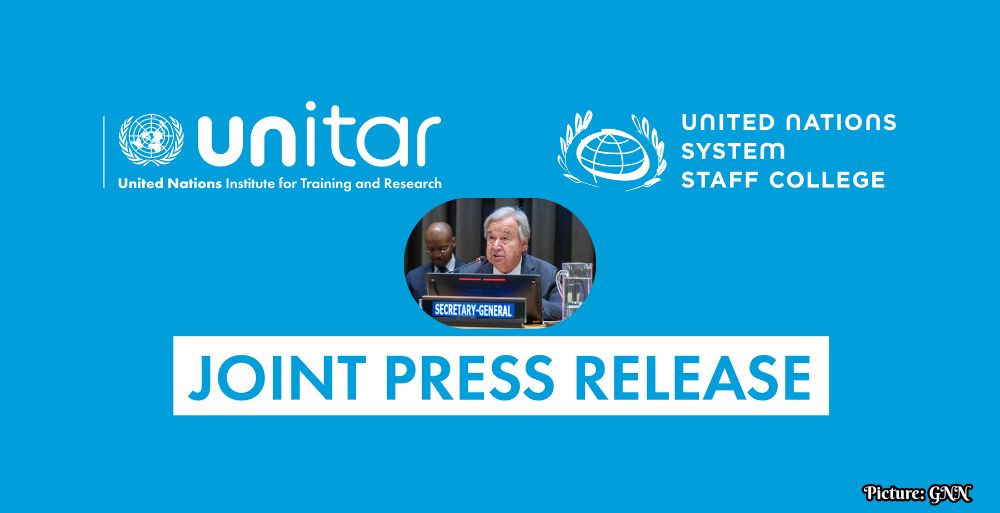
The UN General Assembly has endorsed the creation of the United Nations Institute for Capability and Learning Innovation, merging two existing training bodies to enhance support for Member States and UN operations.
The United Nations General Assembly has taken a significant step towards reforming its operational framework by approving the merger of two key learning and training organizations within the UN system. On September 3, 2026, the Assembly, comprising 193 member states, officially endorsed the integration of the United Nations System Staff College (UNSSC) into the United Nations Institute for Training and Research (UNITAR), resulting in the establishment of the United Nations Institute for Capability and Learning Innovation (UNICLI), effective January 1, 2027.
This decision is part of the broader UN80 Initiative, which aims to enhance the coherence, effectiveness, and responsiveness of the UN in addressing contemporary global challenges. UN Secretary-General António Guterres has emphasized the need for the UN to evolve continually, adapting its capabilities to meet the demands of a rapidly changing world.
Objectives of the New Institute
The newly formed UNICLI will aim to combine UNITAR’s extensive experience in assisting governments, diplomats, and public institutions in building necessary skills and capacities with UNSSC’s specialized training in leadership development and knowledge-sharing tailored for UN personnel. Michelle Gyles-McDonnough, the UN Assistant Secretary-General and Executive Director of UNITAR, articulated the rationale behind the merger, stating, “Member States and the United Nations system are facing increasingly complex and interconnected challenges. The UN must continue to evolve, building stronger capabilities, fostering innovation, and enhancing institutional effectiveness to turn global commitments into tangible results.”
The integration is expected to create a single platform for capability development and learning, thereby simplifying access to expertise and support for Member States, UN entities, and various partners. This restructuring is designed to reduce duplication of efforts and fragmentation within the UN system, ultimately improving its operational efficiency.
Statements from UN Officials
In a press briefing following the Assembly’s decision, UN spokesman Stéphane Dujarric conveyed Secretary-General Guterres’s approval, highlighting that the decision underscores the importance of capability development, continuous learning, and innovation as fundamental drivers of the UN’s strategic effectiveness and reform. Dujarric stated, “The Secretary-General invites Member States, the UN entities, partners, and all stakeholders to join in shaping the new entity’s future and strengthening its contribution to a more sustainable, inclusive, and resilient world.”
Transition and Future Outlook
The transition to the new institute will occur in phases throughout the remainder of 2026, ensuring continuity in existing programs, partnerships, and services. Until the new entity is fully operational, UNITAR and UNSSC will continue to function under their current frameworks. The headquarters of UNICLI will be located in Geneva, while Turin will retain its status as a UN learning campus and center for leadership development. Additionally, existing offices in Bonn, Hiroshima, Madrid, and New York will continue their operations, ensuring a comprehensive global footprint for UN learning initiatives.
The merger of these two educational entities marks a notable development under the UN80 Initiative, reflecting ongoing efforts by Member States to cultivate a more agile and future-oriented United Nations. As the global landscape continues to evolve, this new institute aims to better equip the UN system to respond effectively to emerging challenges while fostering collaboration and innovation across its various functions.
Historical Context: The UN80 Initiative
The UN80 Initiative, launched in 2020, seeks to reform and modernize the United Nations in alignment with the 2030 Agenda for Sustainable Development. This initiative emphasizes the need for the UN to adapt to the complexities of 21st-century challenges, including climate change, global health crises, and geopolitical tensions. The merger of training and capacity-building entities is a strategic response to these challenges, aiming to streamline operations and enhance the UN’s overall effectiveness.
The UNSSC, established in 2002, has played a vital role in providing training for UN personnel and has focused on leadership development and knowledge-sharing. Similarly, UNITAR has been instrumental in offering training programs to Member States, aiding their efforts in implementing international agreements and enhancing governance. The formation of UNICLI is designed to leverage the strengths of both organizations, creating a more unified approach to capacity development and training across the UN system.
Implications for Member States and Global Governance
The establishment of UNICLI has significant implications for Member States and the broader landscape of global governance. By creating a centralized platform for training and development, Member States will have improved access to resources and support tailored to their specific needs. This can lead to enhanced capabilities in areas such as diplomacy, sustainable development, and crisis management.
Furthermore, as the UN continues to face criticism regarding its efficiency and responsiveness, this merger aims to address concerns about fragmentation within the organization. By streamlining training initiatives and fostering collaboration among UN entities, the UN hopes to present a more coherent and effective response to global challenges.
Conclusion
The approval of the United Nations Institute for Capability and Learning Innovation represents a pivotal moment in the ongoing reform efforts within the UN system. As the organization strives to adapt to an increasingly complex world, the integration of UNSSC and UNITAR into a single entity signifies a commitment to building a more effective and responsive United Nations. With its focus on enhancing training and capacity development, UNICLI is poised to play a crucial role in empowering Member States and facilitating global cooperation in tackling the pressing issues of our time.





No Comment! Be the first one.