





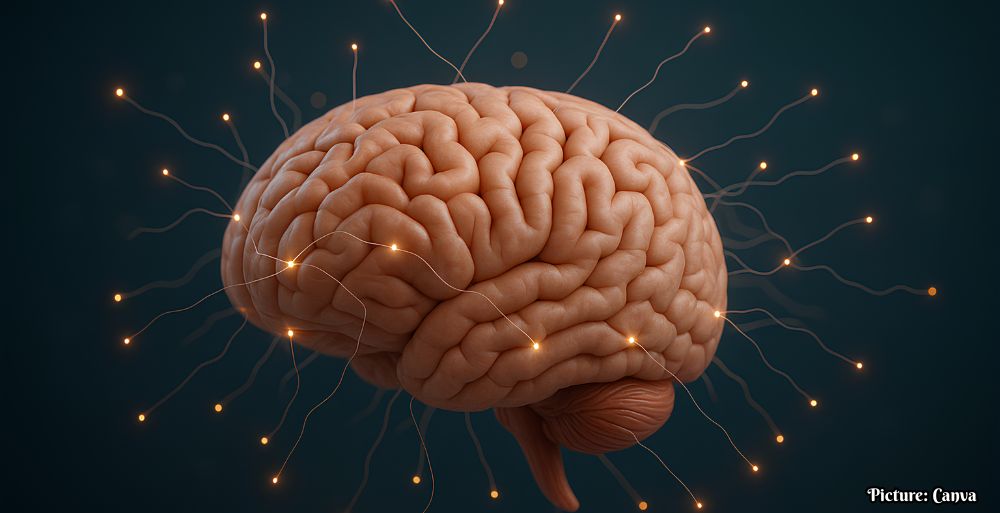
A recent study highlights how specific job characteristics can contribute to maintaining cognitive health as individuals age, according to neuroscientist Tommy Wood.
In today’s workforce, understanding the relationship between job characteristics and cognitive health has gained significant attention. Neuroscientist Tommy Wood, an associate professor of pediatrics and neuroscience at the University of Washington, asserts that the complexity and demands of one’s job can substantially influence the risk of developing dementia and other cognitive impairments as individuals age.
Wood emphasizes that it is not simply the nature of the job itself that matters, but rather the cognitive engagement it requires. “The more [mentally] complex and demanding your job is, the lower your risk of dementia,” he explains. This aligns with broader trends in health science, particularly as the American population becomes increasingly focused on longevity and healthy aging.
Global Context of Aging Populations
According to the World Health Organization, by 2030, one in six people globally will be aged 60 or older. However, increased life expectancy does not guarantee a healthy life; the Centers for Disease Control and Prevention (CDC) projects that nearly 14 million adults in the U.S. will have Alzheimer’s disease by 2060, a significant increase from the current estimate of 7.4 million by the Alzheimer’s Association.
Research indicates that certain professions may be associated with a lower risk of cognitive decline. A study conducted by Harvard Medical School, published in December 2024, analyzed death certificates from January 2020 to December 2022, identifying taxi and ambulance drivers as having the least likelihood of dying from Alzheimer’s disease among more than 400 occupations studied. This finding raises intriguing questions about the cognitive demands of these roles, particularly in a world where navigation technology has transformed how we get around.
Three Key Job Qualities for Brain Health
Wood identifies three critical aspects of jobs that can enhance cognitive health:
1. Spatial Processing
Jobs that require significant spatial processing, such as those involving navigation and memory of environments, actively engage the hippocampus—a brain region crucial for memory and learning. Wood notes the historical context of this ability, stating, “When humans hunted for food and navigated new landscapes, that required navigation.” In contemporary settings, professions like taxi driving, which demand knowledge of diverse routes, can help maintain and even enhance hippocampal function.
Interestingly, research comparing the MRIs of London taxi drivers to non-drivers revealed that taxi drivers had significantly larger hippocampi, underscoring the importance of spatial memory in cognitive health.
2. Creativity
Creative professions, including those in the arts and complex problem-solving roles, often require intricate cognitive processing. A study published in the academic journal Nature Communications in October 2025 found that individuals engaged in creative activities tend to exhibit delayed brain aging. Wood states, “The networks in your brain responsible for focus and attention thrive on complex processing.” This suggests that jobs which foster creativity not only enhance job satisfaction but may also serve as a protective factor against cognitive decline.
3. Job Latitude
Job latitude refers to the variability in job responsibilities and tasks. Wood defines this characteristic as the extent to which an individual performs different activities daily. He indicates that jobs characterized by complexity and variety can strengthen memory and lower dementia risk. A 2023 study involving 355 older adults in the U.S. supports this claim, highlighting the cognitive benefits associated with complex work.
Importantly, Wood notes that having agency over one’s workload and the pace at which tasks are completed is crucial for reaping these cognitive benefits. “If your work is really hard cognitively, but you’re always working on somebody else’s time schedule, that decreases the potential benefits,” he warns.
Enhancing Brain Health Beyond the Workplace
For individuals whose jobs may not encompass these ideal qualities, Wood offers alternative strategies to promote brain health. He advocates for bolstering social connections at work, as engaging with colleagues can significantly enhance cognitive function. Neuroscientist Dr. Wendy Suzuki supports this notion, indicating that positive social interactions can reduce stress and improve memory.
Additionally, individuals can undertake various activities outside of work to stimulate their brains, such as:
- Engaging in new hobbies
- Volunteering
- Learning new skills or languages
- Participating in sports
- Attending lectures on topics of interest
- Solving puzzles
- Reading books
Wood encourages individuals to actively seek out opportunities for cognitive challenges, regardless of their professional environment. “Is there a skill or a hobby or some new thing that you can do to challenge your brain in a new way?” he asks, emphasizing that proactive engagement is key to maintaining cognitive health as individuals age.





No Comment! Be the first one.