





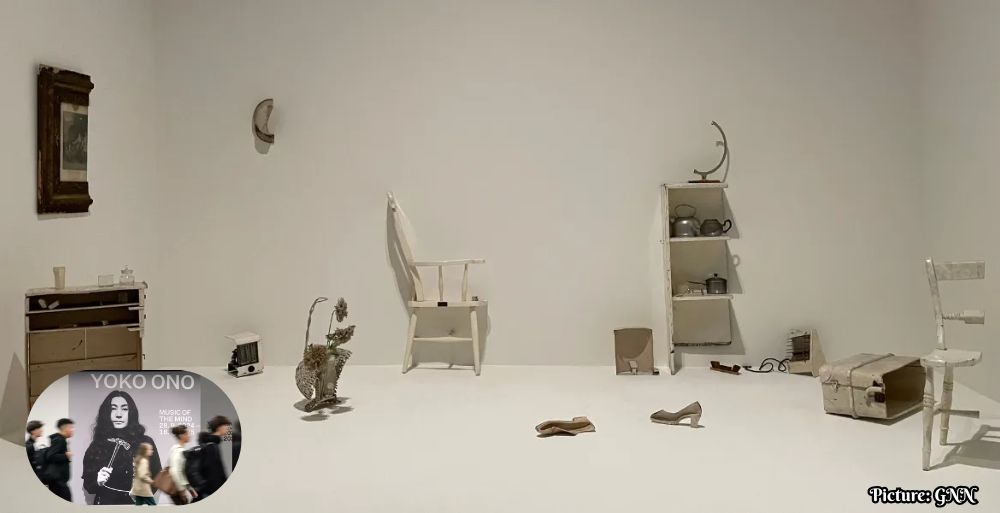
Yoko Ono’s reflections on the nature of change highlight the importance of appreciating life’s fleeting moments rather than clinging to them, promoting a message of gratitude and acceptance.
In a world characterized by constant change, Yoko Ono’s recent quote, “I saw that nothing was permanent. You don’t want to possess anything that is dear to you because you might lose it,” serves as a poignant reminder of the impermanence of life. This perspective encourages individuals to value their experiences and relationships without the burdensome desire to control or possess them.
Born on February 18, 1933, in Tokyo, Japan, Yoko Ono has spent over six decades as an influential figure in contemporary art, music, and peace activism. Her pioneering contributions to conceptual and performance art during the 1960s have made her a central figure in the avant-garde movement. Known for controversial works such as Cut Piece and Grapefruit, Ono has consistently challenged traditional notions of creativity and audience engagement. Her high-profile marriage to John Lennon of The Beatles further propelled her into the global spotlight, intertwining her artistic endeavors with broader cultural movements.
Following Lennon’s tragic death in 1980, Ono remained a steadfast advocate for peace and continued to create art and music that reflect themes of love, loss, and healing. The recent quote encapsulates a philosophy that resonates with many individuals who grapple with loss and the inevitability of change.
Understanding the Message
Ono’s assertion that nothing remains permanent may initially evoke feelings of sadness; however, it ultimately conveys a liberating message. The idea is not to discourage love or meaningful relationships, but rather to remind individuals that change is a fundamental aspect of life. As people age, children grow up, friendships evolve, and careers shift, the transient nature of existence becomes apparent. By recognizing that even the happiest moments will eventually become memories, individuals can shift their perspective from one of fear and anxiety to one of appreciation and presence.
The Emotional Struggle of Letting Go
Many emotional challenges arise from the human desire to resist change. The inclination to maintain the status quo stems from a natural instinct for safety and comfort. Yet, Ono’s philosophy suggests that true strength lies in the ability to embrace change, allowing love to flourish based on appreciation rather than possession. Healthy relationships thrive on trust, freedom, and gratitude, rather than control and expectation. When individuals learn to appreciate each beautiful moment without attempting to freeze it in time, they often find greater joy and fulfillment in their experiences.
Relevance in Modern Life
In contemporary society, where accumulation and achievement often define self-worth, Ono’s insights provide a refreshing alternative. Instead of focusing on how to preserve what we cherish, she encourages a mindful approach that asks: How can I appreciate this today? How can I express gratitude while I have it? How can I love without fear? These questions redirect focus from anxiety about loss to an appreciation of the present moment.
Daily Applications of Ono’s Wisdom
Ono’s perspective can be integrated into daily life in simple yet profound ways: expressing appreciation to loved ones, savoring experiences instead of trying to document every moment, accepting the natural flow of change, forgiving easily, and prioritizing memories over material possessions. By lessening the fear of loss, individuals can open themselves up to a richer, more fulfilling experience of life.
A Message of Peace and Resilience
Throughout her career, Ono has emphasized the importance of peace, advocating for a life lived in harmony with the natural rhythms of existence. Recognizing the inevitability of change does not signify weakness; rather, it fosters resilience, compassion, and gratitude. While individuals cannot control the duration of relationships or the circumstances surrounding them, they can choose the depth of their love, the kindness of their actions, and their commitment to fully embrace each moment.
In essence, Ono’s message is that the most precious aspects of life gain significance from their temporary nature. By relinquishing the fear of change, individuals can cultivate gratitude for what they have while it lasts. Ultimately, happiness is not rooted in the desire to possess everything dearly, but in the ability to appreciate the fleeting moments that shape our lives. The most beautiful experiences are those that leave a lasting impact, altering us for the better even if they cannot be held forever.






No Comment! Be the first one.