





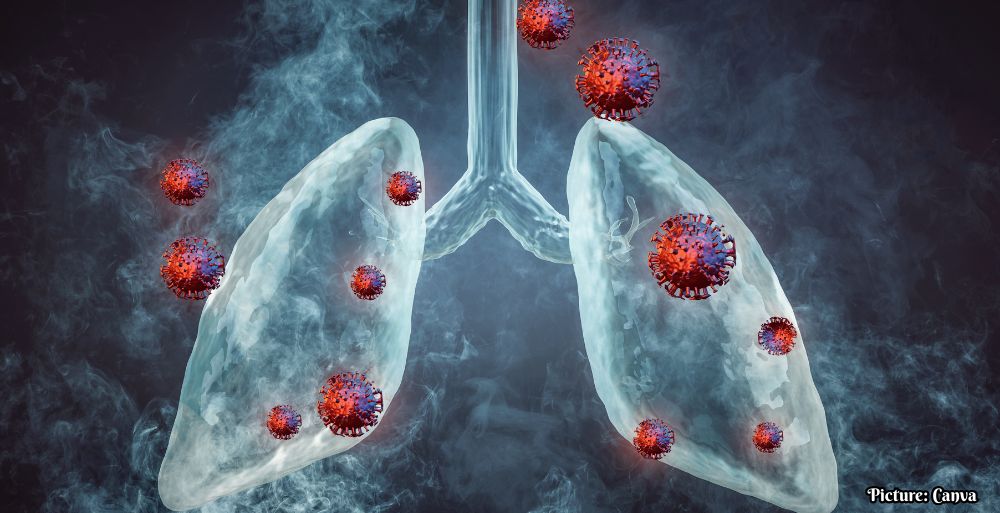
A comprehensive study of immune cells in human lung tissue has identified genetic factors that may contribute to the onset of lung and autoimmune diseases, offering a new perspective on their underlying mechanisms.
A groundbreaking study published in the journal Nature Immunology has provided significant insights into the genetic underpinnings of lung and autoimmune diseases. Conducted by researchers at the La Jolla Institute for Immunology (LJI), the analysis examined over 1.1 million immune cells from the lungs of 128 human participants. The findings could reshape our understanding of how certain immune cells, which typically protect the body, can instead contribute to chronic inflammation and disease.
Context of the Research
The research stems from the necessity to understand the role of tissue-resident immune cells—those that are permanently located within the lungs—in the development of conditions like lupus, rheumatoid arthritis, and scleroderma. These diseases often manifest with chronic inflammation in the lungs, leading to significant health complications. Traditionally, immune cells circulating in the blood have received more attention, but this study highlights the critical differences between these two immune cell populations.
Methodology and Findings
The study utilized lung tissue samples from participants diagnosed with lung cancer who were undergoing surgical procedures. The samples were collected as part of the Target Lung study, led by Professor Christians Ottensmeier of the University of Liverpool. Researchers leveraged advanced techniques, including single-cell RNA sequencing (RNA-seq), to delve into the gene expression profiles of tissue-resident immune cells.
Dr. Benjamin Schmiedel, an assistant professor at LJI, noted the unprecedented scale of their analysis, stating, “We analyzed thousands of immune cells from lung tissue for each study volunteer. No study has produced and analyzed a dataset at this scale and resolution before.” This meticulous approach allowed the team to uncover approximately 1,000 genes that were significantly influenced by genetic factors, specifically within the lung tissue immune cells, which were not evident in blood-circulating immune cells.
Genetic Mechanisms at Play
The research uncovered that certain genes associated with genetic risk factors for lung and autoimmune diseases were expressed in these tissue-resident immune cells. This raises critical questions about the functionality of these immune cells and their ability to protect against diseases. According to Dr. Pandurangan Vijayanand, a distinguished professor at LJI, this study serves as a foundational resource for researchers examining the genetic aspects of autoimmune diseases, emphasizing the complex interplay between genetics and immune function.
Sex-Based Differences in Immune Response
Another notable outcome of the research was the identification of sex-based differences in gene expression among the study participants. The analysis revealed that 1,700 genes exhibited different expression levels between male and female subjects, potentially influencing susceptibility to infectious and autoimmune diseases. Many of these genes are linked to pathways that regulate inflammation, which is particularly relevant given that autoimmune diseases are more prevalent among women.
This discovery suggests that tissue-resident immune cells in the lungs may exhibit distinct behaviors based on sex, further complicating the landscape of immune response and disease susceptibility. The research underscores the necessity for further exploration into how these cells contribute to disease development and may differ in their functions across various demographic groups.
Future Implications
The findings from this extensive study are poised to enhance the understanding of immune cell functionality and its relationship to chronic diseases. As part of the ongoing Database of Immune Cell Epigenomics (DICE) project, LJI researchers are well positioned to continue investigating immune cell dynamics across diverse populations with varying ages, sexes, and genetic backgrounds. Dr. Vijayanand remarked on the value of the DICE project, stating, “DICE is a rich resource,” indicating its potential to unravel further complexities of immune responses and disease mechanisms.
This research not only sheds light on the genetic factors that may predispose individuals to autoimmune and lung diseases but also emphasizes the importance of studying tissue-resident immune cells to develop targeted therapeutic strategies. The insights gained from this study could inform future approaches to prevent and treat chronic inflammatory diseases, advancing public health initiatives aimed at improving patient outcomes.
Broader Context and Future Research Directions
The study’s findings resonate within a broader context of immunological research, where understanding the genetic basis of diseases is imperative for developing personalized medicine strategies. The implications of the research extend beyond just lung diseases; they may also influence how autoimmune conditions are approached in clinical settings.
As researchers continue to analyze the data from the DICE project, future studies may focus on the interactions between environmental factors and genetic predispositions. This holistic approach could unveil how external elements, such as pollution or allergens, interact with genetic vulnerabilities to exacerbate autoimmune conditions.
Furthermore, the unique dataset created through this research could serve as a reference point for other studies focused on immune responses in various diseases, potentially leading to breakthroughs in treatment protocols that consider genetic and environmental interactions.
In conclusion, the study conducted by LJI researchers marks a pivotal step in understanding the complexities of tissue-resident immune cells and their role in lung and autoimmune diseases. As the scientific community seeks to develop effective treatments, the integration of genetic insights with clinical practices will be crucial for improving outcomes for patients affected by these challenging conditions.






No Comment! Be the first one.