





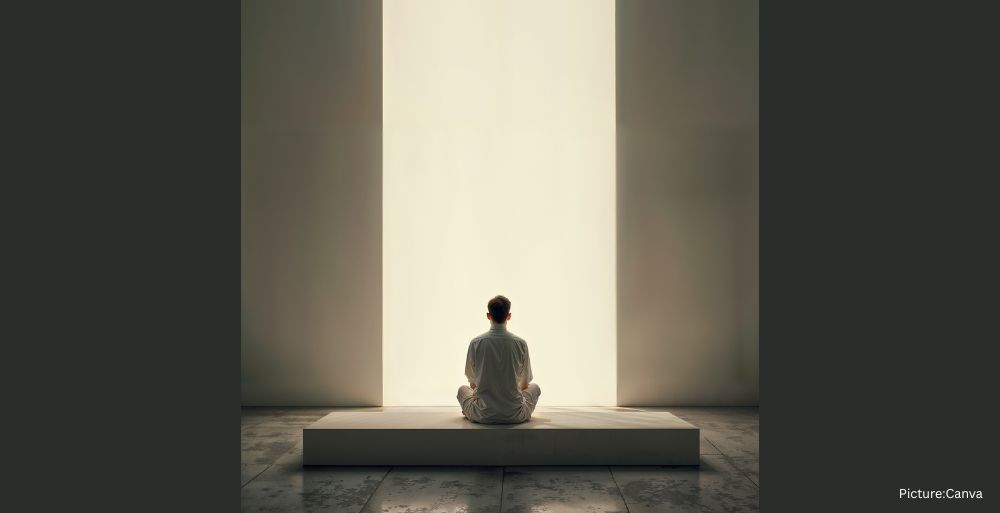
Leading meditation experts share practical advice on how to integrate meditation into daily routines, emphasizing the importance of consistency and mindfulness.
Meditation, a practice with roots in ancient traditions, has gained notable traction as a valuable tool for managing modern-day stressors. Its benefits, which include reduced anxiety, improved focus, better sleep, and enhanced emotional stability, have been supported by various studies. However, many individuals struggle to establish a consistent meditation practice, often feeling overwhelmed by unrealistic expectations.
To address these challenges, several experts have provided their insights on how to cultivate a successful meditation routine, emphasizing that even a few minutes of daily practice can lead to significant long-term benefits.
Setting Realistic Goals
George Thompson, a Daoist meditation teacher, notes that many people set ambitious goals such as meditating for 30 or 60 minutes a day. This can lead to feelings of failure if they are unable to meet these expectations. “But even two minutes of mindful breathing can completely reset your day,” he explains. He emphasizes the value of the early morning hours, stating, “The first minutes after waking are precious. Before the world floods in, you have a rare opportunity to choose your direction for the day.”
Breath as a Tool for Calm
Thompson further illustrates the importance of breath in meditation. He states, “Your breath is the remote control for your nervous system—slow, deep, nose breathing signals to your body that you are safe, melting away tension in minutes.” This concept highlights how mindful breathing can serve as an effective means of managing stress throughout the day.
Embracing Flexibility
Experts also suggest that flexibility in meditation practice can enhance its effectiveness. Christina Moore, a meditation expert and creator of The Mental Unload, asserts that meditation does not require silence or perfection. “Many people are under the illusion that meditation has to be in absolute silence and if your mind wanders, it’s game over—and that’s just not true.” Dominique Antiglio, a sophrologist, echoes this sentiment, stating that even two mindful minutes can be transformative. “What matters most is consistency, not duration,” she advises.
Incorporating Movement and Creativity
For those who find stillness daunting, Antiglio recommends sophrology, which combines physical movement, breathing techniques, and positive visualization to promote relaxation. This approach can empower individuals to release tension while engaging their bodies in the process. Dora Kamau, a mindfulness teacher at Headspace, emphasizes that meditation should not be about achieving specific goals but rather about practicing self-compassion and acceptance. “Training the mind to let go is an ongoing process where every day is different,” she notes.
Creating a Meditation Routine
Experts suggest various strategies to seamlessly integrate meditation into daily life. Jo Irving, a meditation teacher and life coach, advises tying meditation to existing habits, such as practicing after brushing teeth or before making coffee. “It becomes part of the flow, not another thing on the to-do list,” she explains. Additionally, creating a designated meditation space at home can signal to the mind that it is time to pause and reflect.
The Role of Technology
Dr. Sarah Jane Khalid, a holistic psychologist, emphasizes the role of technology in establishing a meditation routine. Setting reminders and tracking meditation sessions on a calendar can reinforce commitment and accountability. “Being part of a community or group always increases accountability,” Khalid suggests, highlighting the efficacy of online classes or meditation buddies.
Mindfulness Beyond Formal Practice
Jasmine Eskenzi, founder of The Zensory, encourages individuals to incorporate mindfulness into everyday activities. Simple actions, such as taking deep breaths before a shower, can promote a sense of calm without the need for a formal meditation session. “The less you think about meditating, the less opportunity you give your mind to talk yourself out of it,” adds Kamau, reinforcing the idea that meditation can occur anytime, anywhere.
Recognizing Progress
Experts agree that recognizing the benefits of meditation can enhance motivation. “Create time to reflect on the benefits meditating is giving you—this will embed the practice further,” recommends Khalid. Noting the “after glow” of meditation, Irving encourages practitioners to appreciate the shifts in mood or clarity that follow their sessions, fostering a desire to continue the practice.
In conclusion, meditation does not have to be a rigid or time-consuming endeavor. By setting realistic goals, embracing flexibility, incorporating movement, and utilizing technology, individuals can cultivate a meaningful and consistent meditation practice that enhances their overall well-being.






No Comment! Be the first one.