




University of Barcelona Study Uncovers Genetic Network Linked to Psychiatric Disorders

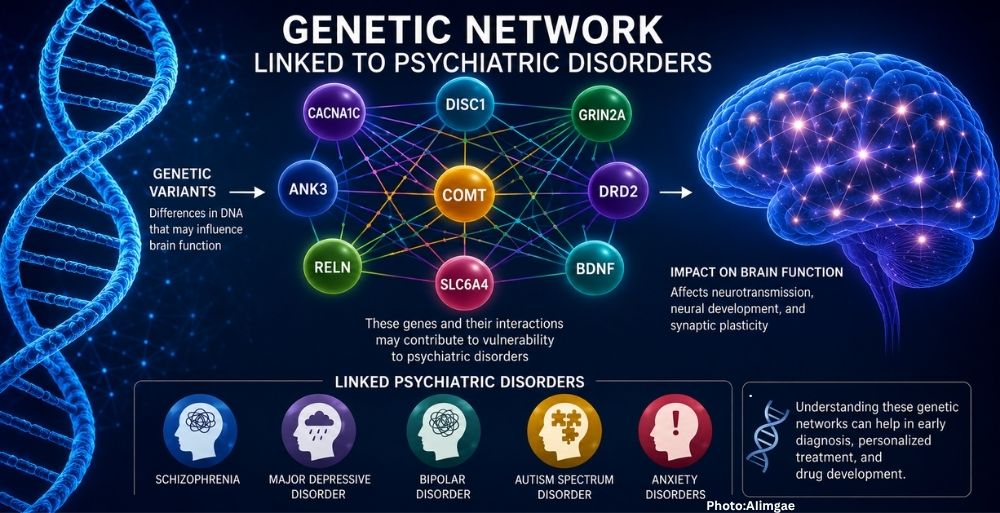
This study by the University of Barcelona identifies a gene network that may explain susceptibility to depression, anxiety, and related traits, offering potential pathways for personalized treatment.
A recent study conducted by researchers at the University of Barcelona has uncovered a significant genetic network associated with various psychiatric disorders, including depression and anxiety. Published in the journal Progress in Neuro-Psychopharmacology and Biological Psychiatry, the research identifies nearly 20 genes that may contribute to individual susceptibility to these complex conditions. Lead researchers Bru Cormand and Noèlia Fernández, affiliated with the Department of Genetics, Microbiology and Statistics at the University, emphasize the potential implications of their findings for future treatment strategies.
The Role of RBFOX1 as a Central Hub
The study highlights the RBFOX1 gene as a central hub within this genetic network, suggesting it plays a crucial role in regulating the expression of other genes linked to key brain functions. Cormand and Fernández describe RBFOX1 as functioning like an “orchestra conductor,” coordinating the activation of various other genes involved in neuronal development and neurotransmission. This perspective enhances our understanding of why disorders such as depression and anxiety frequently co-occur in individuals. The researchers explain that conditions like depression and anxiety do not typically depend on a single gene but rather on the cumulative effects of multiple genes.
Genetic Overlap in Complex Psychiatric Disorders
According to the researchers, the intersection of genetic factors in complex psychiatric disorders typically involves multiple genes rather than a singular genetic determinant. They note that alterations in a central regulator like RBFOX1 could trigger widespread impacts across various biological processes. Cormand and Fernández stress that this could elucidate the reasons behind the simultaneous occurrence of different psychiatric traits, such as irritability and neuroticism. The study integrates data from genome-wide association studies (GWAS), gene expression predictions, molecular network analyses, and rare disease studies, which have become critical tools in modern psychiatric genetics.
The comprehensive analysis identified 19 genes regulated by RBFOX1 that are especially relevant to depression and its associated traits. Among these, Cormand and Fernández spotlight three additional genes—SP4, TCF4, and PAX6—that also regulate gene expression and are linked to various psychiatric and neurological disorders. For instance, while RBFOX1 has associations with multiple psychiatric conditions, CADM2 is implicated in addiction and other psychiatric disorders, and TCF4 has been connected to schizophrenia and insomnia. These findings underscore the multifaceted nature of genetic influences on mental health.
Potential Impact on Personalized Medicine
The insights gained from this research could pave the way for advancements in personalized medicine, particularly concerning psychiatric disorders. The identification of risk biomarkers linked to specific molecular pathways may enhance patient stratification and treatment development. The researchers emphasize that targeting shared biological mechanisms could simultaneously benefit patients suffering from co-occurring conditions. Cormand and Fernández state, “These results provide a new insight into the biological mechanisms shared by depression and various associated disorders, and could contribute in the future to the development of more personalized biomarkers and treatments.”
Future Research Directions and Validation Needs
Despite the promising nature of these findings, Cormand and Fernández caution that further validation is necessary. They underscore the importance of exploring differences in genetic influences based on sex, especially given the higher prevalence of depression among women. Future research may also involve functional experiments to investigate the specific roles of identified genes, such as CADM2, in the etiology of depression and its associated disorders. Such studies could help determine which molecular mechanisms are involved in the origin of depression and the disorders associated with it.
Broader Implications for Mental Health Treatment
The implications of this study extend beyond the identification of genetic factors, suggesting a need for a more nuanced understanding of the biological underpinnings of psychiatric disorders. As psychiatric conditions continue to present challenges for patients and healthcare providers alike, these findings may contribute to the development of more effective, personalized treatment protocols in the future. The integration of genetic research into psychiatric treatment represents a significant step toward addressing the complex interplay of factors that contribute to mental health disorders.
This research exemplifies a growing trend in psychiatric genetics, where the focus is shifting from single-gene studies to a more comprehensive understanding of gene networks and their interactions. As researchers delve deeper into the genetic architecture of psychiatric disorders, it is likely that more connections will be established, leading to improved diagnostic tools and therapeutic strategies. In doing so, the field may move closer to realizing the promise of personalized medicine in psychiatry.






No Comment! Be the first one.