




Recent studies suggest that oatmeal, avocado, and peppermint oil may offer benefits in managing health issues related to type 2 diabetes, including cholesterol levels and blood pressure.
Type 2 diabetes is a chronic metabolic disorder characterized by insulin resistance and elevated blood sugar levels, affecting millions globally. As the prevalence of this condition continues to rise, researchers are exploring various dietary options and natural remedies to help manage its associated health complications. Recent evidence points to three commonly overlooked foods—oatmeal, avocado, and peppermint oil—as potentially beneficial in treating specific aspects of diabetes.
Understanding Type 2 Diabetes
Type 2 diabetes is a significant public health issue, with over 34 million Americans diagnosed and an additional 88 million estimated to have prediabetes, according to the Centers for Disease Control and Prevention (CDC). The condition often leads to serious complications, including heart disease, kidney failure, and nerve damage. Current management strategies emphasize a combination of lifestyle modifications, including diet, exercise, and medication to control blood sugar levels and promote overall health.
Oatmeal’s Role in Cholesterol Management
A study conducted by researchers at the University of Bonn in Germany, published in Nature Communications in January 2026, indicates that a two-day oatmeal diet can lead to significant reductions in low-density lipoprotein (LDL) cholesterol levels. The research involved two parallel, randomized controlled trials with participants diagnosed with metabolic syndrome, a condition marked by symptoms overlapping with type 2 diabetes, including high blood pressure and elevated cholesterol levels.
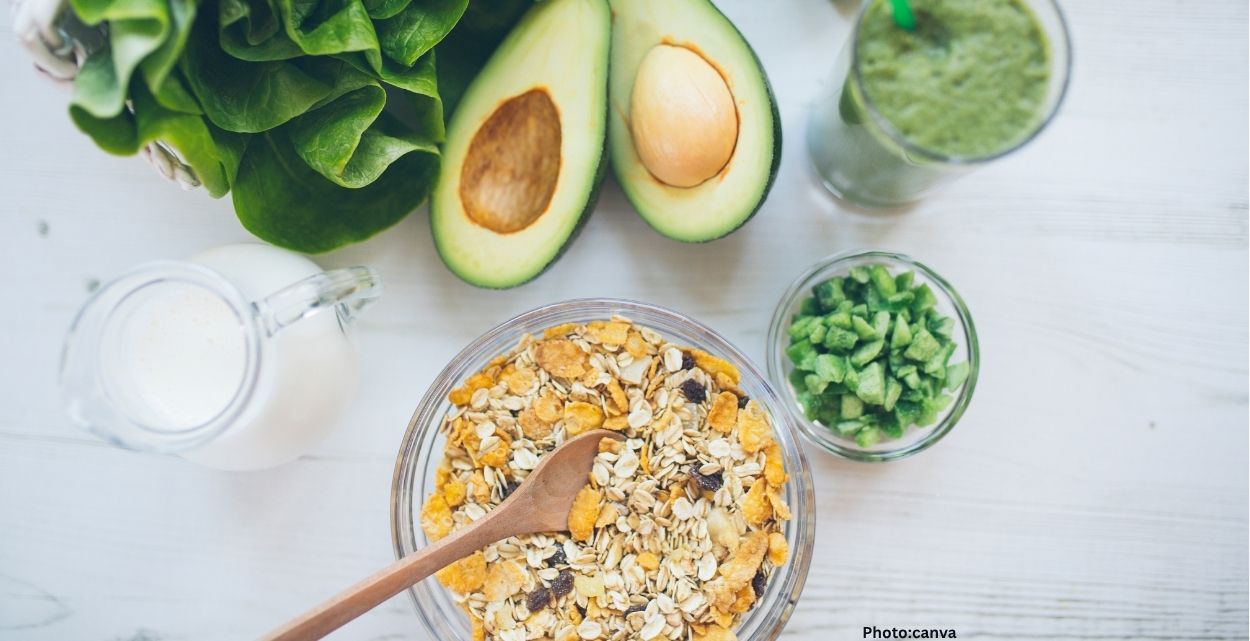
Participants adhering to a diet comprising 300 grams of oatmeal per day for two consecutive days experienced a 10% decrease in LDL cholesterol levels. They complemented their diet with fresh fruits and vegetables while reducing their overall caloric intake by half. Even after returning to their typical diets, participants maintained lower cholesterol levels for six weeks post-intervention.
Dr. Marie-Christine Simon, the senior investigator on the study, noted that the high intake of oat components—particularly phenolic compounds—can trigger more robust biochemical responses than moderate daily consumption. She stated, “This large oat load significantly increased microbially produced phenolic metabolites, especially dihydroferulic acid, which were associated with the cholesterol reduction.” However, caution was advised by Michelle Routhenstein, a registered dietitian specializing in preventive cardiology, who highlighted that short-term studies may not reflect the gradual changes seen in everyday diets.
Avocado Consumption and Blood Sugar Control
Another recent analysis funded by the Hass Avocado Board examined the impact of daily avocado consumption on glycemic control. This secondary analysis derived data from the Habitual Diet and Avocado Trial, which involved participants aged 25 and older with increased waist circumference. The study assigned one group to consume one large avocado daily for six months, while a control group limited their avocado intake to two or fewer per month.
At the conclusion of the trial, those consuming a daily avocado demonstrated a lower dietary glycemic load, indicating improved blood sugar management compared to their counterparts. Karen Z. Berg, a registered dietitian not involved in the study, remarked on the nutrient density of avocados, explaining that their high-calorie content and healthy fats may lead to reduced consumption of less nutritious food, contributing to the positive outcomes observed.
Peppermint Oil as a Natural Remedy for Hypertension
Hypertension is another health issue frequently associated with type 2 diabetes, affecting 50% to 80% of individuals with the condition. A lesser-known remedy investigated in recent research is peppermint oil, which has been linked to blood pressure regulation. In a study involving 40 adults with either pre-hypertension or stage 1 hypertension, participants were randomly assigned to receive either 100 microliters of peppermint oil or a placebo over a 20-day period.
Results indicated that those consuming peppermint oil experienced significant reductions in both systolic blood pressure and resting heart rate. Dr. Jonathan Sinclair, the lead author of the study, explained that compounds like menthol found in peppermint may contribute to vascular relaxation, thus lowering blood pressure. However, experts like Dr. Craig Basman have called for caution, advocating for larger studies to validate these findings and establish the long-term effects of peppermint oil on blood pressure management.
Implications for Diabetes Management
The implications of these studies are significant for individuals managing type 2 diabetes, as they suggest that incorporating specific foods and natural remedies may enhance traditional treatment approaches. While oatmeal and avocado offer potential benefits for cholesterol and blood sugar control, respectively, peppermint oil indicates a promising natural alternative for managing hypertension.
Despite these encouraging findings, health professionals emphasize the importance of a comprehensive approach to diabetes management. Integrating these foods into a balanced diet, along with regular physical activity and adherence to prescribed medication, remains crucial. Moreover, individuals should consult healthcare professionals before making significant dietary changes, particularly when managing chronic health conditions.
Conclusion
As research continues to unveil the potential benefits of specific dietary choices and natural remedies in managing type 2 diabetes, these findings underscore the importance of incorporating nutrient-rich foods into daily diets. While oatmeal, avocado, and peppermint oil show promise in supporting health outcomes associated with diabetes, further investigation is necessary to fully understand their impacts and mechanisms. The path toward effective diabetes management may very well involve a holistic approach that embraces both traditional treatments and innovative dietary strategies.




No Comment! Be the first one.