





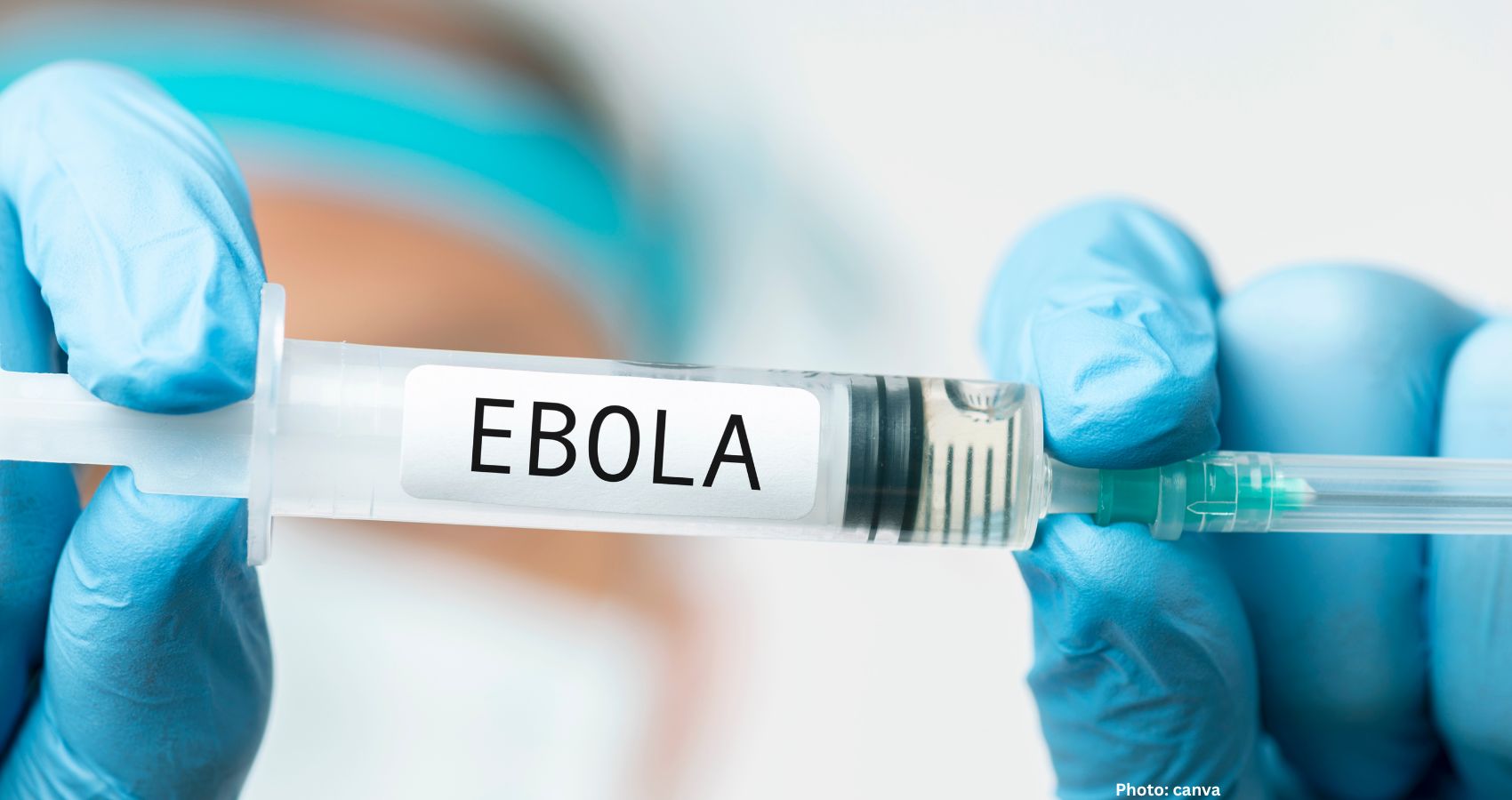
The World Health Organization has declared an Ebola outbreak in the Democratic Republic of Congo and Uganda a public health emergency of international concern, highlighting significant risks associated with the Bundibugyo virus.
The World Health Organization (WHO) announced on May 17, 2026, that it has declared the ongoing Ebola outbreak affecting the Democratic Republic of Congo (DRC) and Uganda as a “public health emergency of international concern.” This decision comes amid alarming reports of 80 suspected deaths and a growing number of cases, with the DRC’s Ituri province being the epicenter of this crisis.
As of Saturday, the DRC health ministry reported eight laboratory-confirmed cases and 246 suspected cases across three health zones, including Bunia, Rwampara, and Mongbwalu. The outbreak has been traced to the Bundibugyo virus, a strain that has not been previously reported in such a widespread manner in recent years. The WHO emphasized that, while the outbreak does not currently meet the criteria for a pandemic emergency, it poses a significant risk to neighboring countries.
Current Situation and Risks
The DRC’s health ministry indicated that the outbreak has resulted in at least 80 deaths, a staggering figure that raises concerns about the potential for further spread. The WHO cautioned that the number of cases could be much higher than reported, particularly given the high positivity rate of initial samples and the increase in suspected cases. According to WHO officials, the situation is evolving rapidly, and there is potential for a larger outbreak.
In its assessment, the WHO referred to the outbreak as “extraordinary” due to the absence of approved therapeutics or vaccines specifically targeting the Bundibugyo virus. This lack of effective medical interventions presents a daunting challenge for health authorities, especially when compared to the more familiar Ebola-Zaire strains for which treatments exist.
International Spread and Health Recommendations
The WHO’s declaration has implications beyond the DRC and Uganda, as documented cases of the virus spreading internationally have already surfaced. In Uganda’s capital, Kampala, two laboratory-confirmed cases, including one death, have been reported from individuals who had recently traveled from the DRC. Additionally, a confirmed case was identified in Kinshasa, the capital of the DRC, involving a person returning from Ituri.
In response to the escalating outbreak, the WHO has issued a series of urgent recommendations. These include immediate isolation of confirmed cases, daily monitoring of contacts, and the implementation of travel restrictions within the country. The organization has advised that individuals confirmed to have Bundibugyo virus disease should not engage in international travel unless they are part of a medical evacuation.
Despite the concerns surrounding the outbreak, the WHO has urged nations not to close their borders or restrict travel and trade excessively. Such actions could lead to unmonitored informal crossings, potentially worsening the outbreak. Instead, the agency has called for countries to activate their national disaster and emergency management plans and to enhance cross-border screening and monitoring at key transit points.
Historical Context and Implications
The DRC has a long history of Ebola outbreaks since the virus was first identified in 1976, with the Bundibugyo strain recognized during an outbreak in 2007. Historically, the country has faced numerous challenges in addressing health crises due to ongoing instability, limited healthcare infrastructure, and fluctuating levels of government support. These factors complicate the response to the current outbreak, which is exacerbated by the lack of effective treatments and vaccines for the Bundibugyo virus.
The declaration of a public health emergency by the WHO reflects the severity of the situation and the potential health repercussions not only for the DRC and Uganda but also for neighboring nations that share borders with these countries. The international health community is mobilizing resources and strategies to contain the outbreak effectively and prevent further spread.
The WHO’s ongoing updates and recommendations will be crucial as the situation develops. Public health stakeholders are urged to remain vigilant and proactive in managing the outbreak, ensuring that necessary resources are allocated promptly to combat the spread of the virus. The collaboration of international organizations, local governments, and healthcare providers will be essential in addressing this health crisis.
This outbreak serves as a stark reminder of the importance of global health surveillance and preparedness. The potential for Ebola to spread rapidly, particularly in densely populated areas, highlights the need for robust public health systems and international cooperation in disease prevention and control. As nations respond to this emergency, the focus will be on not only immediate containment but also long-term strategies to bolster healthcare infrastructure and preparedness for future outbreaks.






No Comment! Be the first one.