





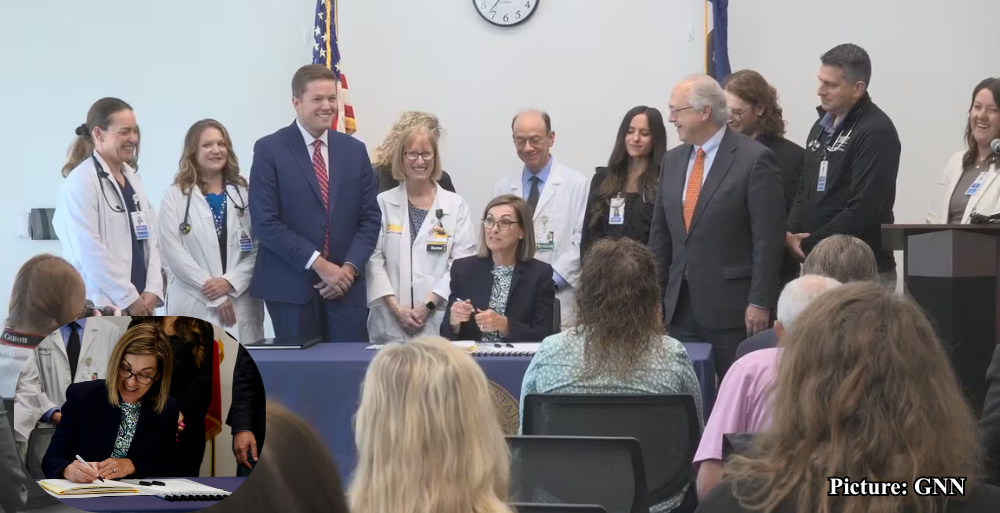
Governor Kim Reynolds has signed legislation eliminating the requirement for health insurance companies to authorize cancer screenings, aiming to enhance patient access to timely medical evaluations in a state with one of the highest cancer rates in the nation.
ALBIA, Iowa – On Tuesday, Governor Kim Reynolds enacted a significant piece of legislation aimed at improving access to cancer screenings for Iowans. The new law abolishes the prior authorization requirement that health insurance companies previously imposed, a change designed to expedite the process for patients seeking critical medical evaluations.
The legislation comes in response to the alarming statistics surrounding cancer in Iowa, where the state consistently ranks among those with the highest cancer incidence rates in the country. According to the American Cancer Society, early detection is crucial in improving survival rates and treatment outcomes, making timely access to screenings imperative.
Iowa State Representative Austin Harris, a Republican from Appanoose County, highlighted the detrimental impact of the prior authorization process on patient care. He noted that the approval process could take several weeks, creating unnecessary delays that could affect patient health outcomes. “We know those prior authorizations can take several weeks at some times to be able to get approved or denied, and this would now prohibit them,” Harris stated. This legislative change aims to eliminate those waiting periods, allowing patients to receive timely screenings without the burden of insurance company approvals.
Enhancing Communication and Accountability in Healthcare
Beyond the elimination of prior authorizations, the new law also mandates stricter communication timelines for insurance companies regarding the status of patients’ claims. Governor Reynolds emphasized the importance of these provisions, asserting that they will enhance transparency and accountability within the healthcare system. “By establishing firm timelines for notifications, decisions, and appeals, insurance companies will now be required to provide clear clinical explanations when care is denied,” she stated.
This measure is designed to streamline the healthcare delivery process, allowing providers to dedicate more time to patient care rather than navigating complex insurance procedures. The expectation is that clearer communication will alleviate administrative burdens on healthcare providers and reduce the frustration often associated with insurance claims.
Addressing the Role of Artificial Intelligence in Claims Processing
Another significant aspect of the legislation is its regulation of artificial intelligence (AI) in the claims approval process. Shelly Russell, board chair for the Iowa Hospital Association, expressed concerns over the increasing use of AI in determining claim approvals and denials. “One of the things that we have seen over time is that there has been some effort to only use AI in denials. And so we didn’t want that,” Russell noted. The new law stipulates that decisions regarding insurance claims cannot be made solely based on AI assessments, ensuring that human judgment remains integral to the process.
This provision addresses growing concerns regarding the potential biases and limitations of AI systems, particularly in the context of healthcare, where individual patient circumstances can significantly impact treatment needs. By incorporating a human element into the decision-making process, the legislation aims to create a more equitable and just healthcare system.
Contextualizing Iowa’s Cancer Rates and Healthcare Challenges
The introduction of this law occurs against a backdrop of ongoing challenges within Iowa’s healthcare system, especially regarding cancer care. The state has been grappling with rising cancer rates, necessitating a reevaluation of healthcare policies and practices aimed at improving patient outcomes. In particular, the need for early detection methods has been underscored by health advocates, as timely screenings can lead to earlier diagnoses and more effective treatments.
The legislative changes reflect a broader trend in the healthcare industry toward prioritizing patient access and reducing bureaucratic delays. By removing barriers to cancer screenings, the law is poised to significantly improve patient access to essential healthcare services. This could potentially lead to earlier diagnoses, improved survival rates, and overall better health outcomes for Iowans affected by cancer.
As the healthcare landscape continues to evolve, the passage of this bill signals a critical shift towards policies that prioritize patient welfare and streamline administrative processes within the medical and insurance ecosystems. The law, which will take effect on July 1, is seen as a vital step in addressing the urgent healthcare needs of Iowa’s population.
Looking Ahead: Implications for Healthcare Reform
The enactment of this legislation is part of a larger conversation about healthcare reform in the United States. With rising healthcare costs and complex insurance requirements often cited as barriers to access, Iowa’s move to eliminate prior authorizations for cancer screenings may serve as a model for other states grappling with similar issues. Policymakers are increasingly recognizing the need for reforms that facilitate timely access to medical care, particularly in areas with high incidences of serious health conditions.
The implications of this law extend beyond just cancer screenings; they highlight the ongoing need for comprehensive healthcare reforms that address systemic issues within the industry. As Iowa prepares for the implementation of these changes, stakeholders will be closely monitoring the effects on patient care and healthcare delivery, assessing whether these reforms lead to tangible improvements in health outcomes across the state.






No Comment! Be the first one.