




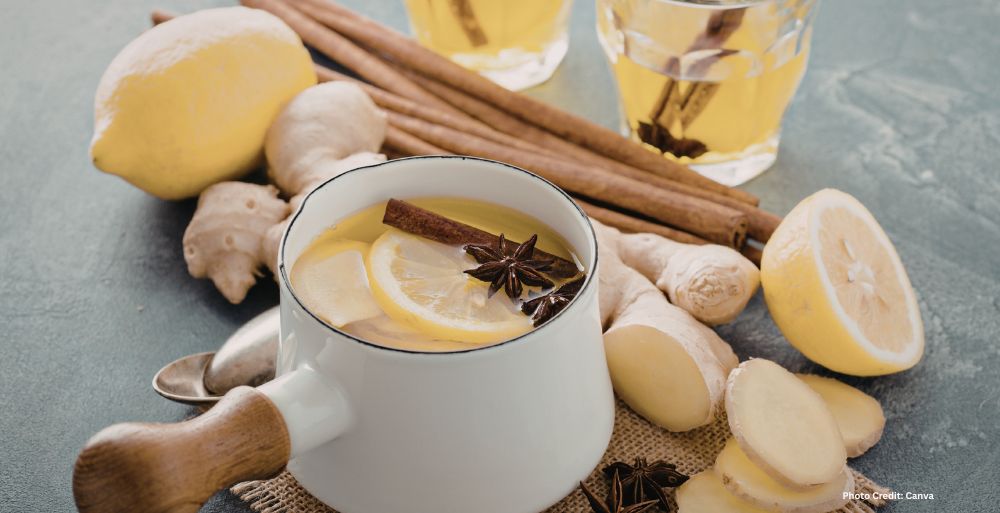
A simmer pot, combining lemon peel, ginger, and cinnamon, offers a natural alternative to synthetic air fresheners, gaining traction among consumers seeking non-toxic home fragrance solutions.
A growing number of individuals are turning to simmer pots—a simple concoction of water, lemon peels, ginger, and cinnamon—as a natural alternative to synthetic air fresheners. This method, which utilizes steam to disseminate essential oils, has been highlighted for its ability to create inviting aromas without relying on artificial fragrances that may contain harmful chemicals.
The simmer pot technique involves boiling a pot of water with various natural ingredients, resulting in a fragrant steam that fills the home. According to a guide published by Homestead and Chill, the process can be executed using a saucepan, slow cooker, or an Instant Pot with the lid partially open, providing versatility for users. This method has gained traction particularly among those concerned about the potential health effects associated with conventional air fresheners.
Understanding the Appeal of Simmer Pots
The appeal of simmer pots lies in their simplicity and the sensory experience they provide. By heating citrus peels, ginger, and cinnamon, users release volatile compounds that create a fresh and invigorating atmosphere. The sharp, clean notes from lemon peel are complemented by the warm sweetness of cinnamon, while ginger adds an earthy depth to the overall scent. This blend has been described in various reports as particularly effective in confined spaces such as kitchens and bathrooms.
Many commercially available aerosol sprays, reed diffusers, and scented candles contain phthalates, synthetic musks, and petroleum-derived carriers—substances that can irritate the respiratory system and trigger allergic reactions. As noted by Deanna Talerico, the author of the Homestead and Chill guide, simmer pots represent a “non-toxic alternative to burning scented candles or using other forms of artificial fragrance, especially for folks with asthma or allergies.”
How to Create and Maintain a Simmer Pot
To create a basic simmer pot, the recipe calls for three to four cups of water, the peel of one lemon, one cinnamon stick, and three or four slices of fresh ginger. Users can adjust the intensity of the aroma by varying the quantity of ingredients and the boiling time. Talerico also suggests several additional stovetop potpourri recipes, each designed to fit within three to four-quart saucepans filled halfway with water.
For example, the Warm Citrus Ginger blend includes two sliced fresh oranges, a thumb-sized piece of fresh ginger, two or three cinnamon sticks, star anise, whole cloves, and vanilla extract. Another variation, Refreshing Rosemary, incorporates sliced lemons or limes, ginger, fresh rosemary, and optional bay leaves. Seasonal blends, such as Oh Christmas Tree, include cranberries, citrus, and various spices to create festive aromas during the holiday season.
The method remains consistent across these recipes: bring the pot to a light boil, reduce to a simmer with the lid off, and replenish the water as needed. One batch can be stored for reuse over the course of a week if covered appropriately.
Considerations for Safety and Pet Health
While simmer pots are generally regarded as safe, particularly in well-ventilated areas, users should monitor the water level to prevent the pot from boiling dry. Both the original report and Homestead and Chill emphasize the importance of supervision, suggesting the use of a timer and regular water checks to ensure safety.
The steam produced from simmer pots is typically considered safe for pets, including cats and dogs. However, caution is advised regarding the use of concentrated essential oils, which may pose risks to animals. Homestead and Chill recommends consulting a veterinarian before introducing any essential oils into an environment with pets, and advises keeping simmer pots out of their reach.
Once the ingredients lose their fragrance, the solids can be strained and composted, while the remaining liquid can be disposed of down the drain, taking care to avoid large pieces that might clog plumbing. For those interested in gifting the simmer pot experience, Homestead and Chill also offers guidance on creating shelf-stable dry simmer pot kits in mason jars.
In summary, the simmer pot method provides a natural, cost-effective solution for enhancing home environments with pleasant aromas while avoiding the potential health hazards linked to synthetic fragrances. As more individuals seek non-toxic alternatives for their homes, the popularity of simmer pots is likely to continue growing.






No Comment! Be the first one.