




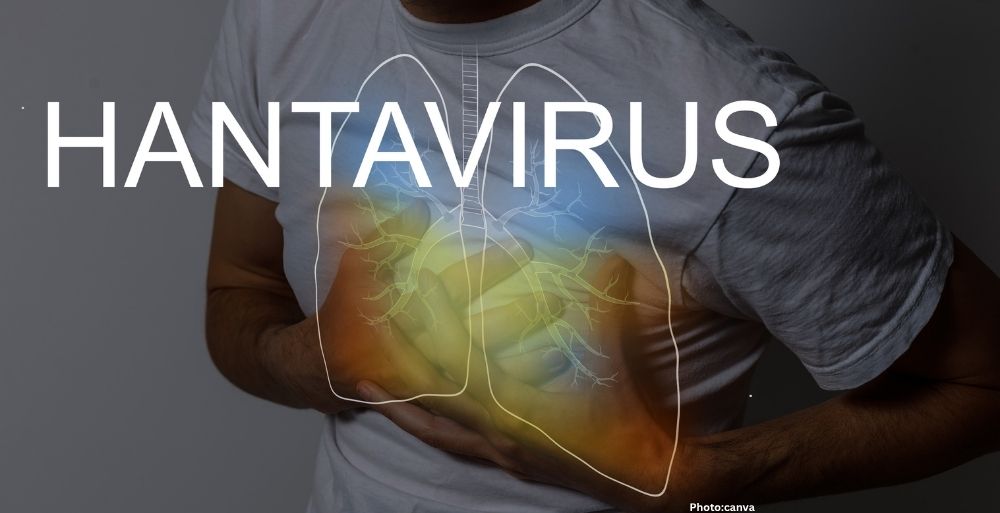
A hantavirus outbreak aboard the MV Hondius cruise ship has prompted the CDC to activate a Level 3 emergency response, with health officials closely monitoring more than 100 passengers and emerging cases in various countries.
Granadilla, Spain – The Centers for Disease Control and Prevention (CDC) has classified the ongoing hantavirus outbreak linked to the MV Hondius cruise ship as a ‘Level 3’ emergency response as of May 8, 2026. This classification reflects an active monitoring approach, despite health officials asserting that the overall public health risk remains low. To date, three passengers who were aboard the vessel have died from the virus, raising alarm among health authorities and prompting precautionary measures for the remaining passengers.
The outbreak began while the MV Hondius was docked in Praia, Cape Verde, where passengers were initially exposed. The CDC’s Level 3 designation is the lowest tier of emergency activation, signaling that while the risk to the public is considered minimal, the situation is being closely monitored. This activation has mobilized epidemiologists and public health experts to support response efforts and to ensure that appropriate measures are in place to mitigate further spread.
Health Authorities Activate Emergency Protocols
The World Health Organization (WHO) has also engaged in monitoring the health of passengers aboard the MV Hondius, which is scheduled to arrive at Granadilla Port by noon local time on May 8. However, rather than docking directly at the port, the ship will anchor offshore. Passengers will be transferred to the port in boats while wearing hazmat suits, according to a statement from the Canarias Region government. This procedure aims to minimize any risk of contagion to local residents.
Upon arrival, passengers will be isolated from the local population during their transfer to Tenerife South Airport. Health officials have made it clear that stringent protocols have been established to ensure complete separation, thereby reducing any potential impact on public health in the Canary Islands. The journey between Granadilla Port and the airport is anticipated to take approximately 15 minutes, during which passengers will remain isolated from the local community.
Current Case Count and Monitoring Efforts
As of the latest updates, there are a total of 12 suspected cases of hantavirus infection related to the outbreak. Notably, the United Kingdom’s Health Security Agency (UKHSA) reported an additional suspected case involving a British national on Tristan da Cunha. Meanwhile, a Dutch KLM flight attendant who was initially thought to be infected has tested negative, according to UKHSA officials. In light of these developments, all British passengers and crew members who were aboard the MV Hondius will be required to undergo a 45-day isolation period upon returning to the UK, with health authorities closely monitoring these individuals and conducting tests as necessary.
Passenger Experiences and Sentiments
Despite the tense circumstances surrounding the outbreak, passengers aboard the MV Hondius are striving to maintain a sense of normalcy. Kasem Ibn Hattuta, one of the passengers, provided an update on the situation, indicating that the atmosphere on the ship remains calm. He described how individuals are keeping their spirits high, remarking, “The vibe on the ship might’ve been calm with a bit of concern because we were worried about the sick ones, but now it doesn’t feel different than any of the other sea days we had before.” Ibn Hattuta noted that several medical professionals have boarded the ship to provide reassurance to passengers, which has helped alleviate some anxiety.
Importantly, he mentioned that no one on board is currently exhibiting symptoms related to hantavirus, which serves as a positive sign for the group as they await further testing and guidance from health authorities. Passengers are also free to share their experiences online, though some have opted to maintain their privacy amid the ongoing situation.
Public Health Implications and Response Strategies
The hantavirus outbreak aboard the MV Hondius underscores the potential for infectious diseases to propagate in confined environments, particularly on cruise ships where large groups congregate for extended periods. This incident highlights the necessity for robust public health surveillance and effective communication strategies to manage outbreaks swiftly and efficiently. Health officials are stressing the importance of vigilance and preparedness as the world continues to navigate the challenges posed by infectious diseases, especially in the wake of the COVID-19 pandemic.
As health authorities continue to monitor the situation, they are expected to provide further updates regarding the outbreak and the measures being implemented to ensure the safety of both passengers and the general public. The incident serves as a critical reminder of the need for proactive public health responses and the importance of maintaining effective communication channels to address emerging health threats.
In conclusion, the situation aboard the MV Hondius is being handled with a high degree of caution, reflecting the complexities involved in managing public health emergencies. The proactive measures taken by the CDC, WHO, and local health authorities aim to mitigate the impact of this outbreak, ensuring that both passengers and the broader community remain safe during this challenging time.





No Comment! Be the first one.