



Study Reveals Meditation Can Induce Significant Brain and Biological Changes in Just One Week

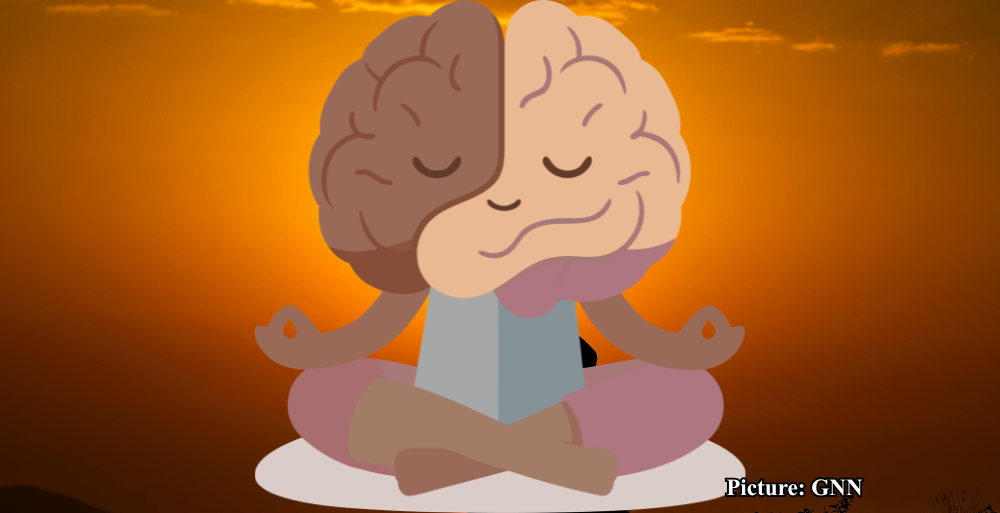
This study reveals that a week-long meditation program can produce measurable changes in brain activity and biology, suggesting profound connections between mental practices and physical health.
Researchers at the University of California San Diego have unveiled findings indicating that a week-long meditation program can significantly alter brain activity and blood biology. This study, published in the journal Communications Biology, demonstrates that the integration of meditation with other mind-body practices can activate important biological pathways related to brain flexibility, metabolism, immune response, and pain management.
The historical context of meditation highlights its use for thousands of years as a tool for promoting well-being. However, scientific understanding of its physiological effects has been limited until now. This research is part of a broader initiative funded by the InnerScience Research Fund, marking the first systematic investigation into the cumulative biological impacts of various mind-body techniques over a short period.
Research Overview
The study involved 20 healthy adults participating in a 7-day residential retreat led by Dr. Joe Dispenza, a prominent neuroscience educator and author. During the retreat, participants engaged in approximately 33 hours of guided meditation and group-based healing activities, complemented by lectures on related topics.
Utilizing an “open-label placebo” method, participants were aware that some of the practices were placebo-oriented. Despite this transparency, the researchers noted that such interventions could yield tangible effects, driven by expectations, social connections, and shared experiences among participants.
Methodology and Findings
To assess changes in brain activity and biological markers, researchers conducted functional magnetic resonance imaging (fMRI) before and after the retreat, along with blood sample analyses. Notable findings from the study included:
- Brain Network Changes: Activity levels decreased in regions associated with internal mental chatter, suggesting improved cognitive efficiency.
- Enhanced Neuroplasticity: Blood plasma collected post-retreat promoted the extension and formation of new connections in lab-grown neurons.
- Metabolic Shifts: Cells treated with plasma from participants post-retreat exhibited enhanced glycolytic metabolism, indicating greater metabolic flexibility.
- Natural Pain Relief: Levels of endogenous opioids, the body’s natural painkillers, increased following the retreat.
- Immune Activation: An increase in both inflammatory and anti-inflammatory signals indicated a well-balanced immune response.
- Gene and Molecular Changes: Significant shifts were noted in small RNA and gene activity, impacting brain-related biological pathways.
Mystical Experiences and Brain Connectivity
Participants also completed the Mystical Experience Questionnaire (MEQ-30), which assesses feelings such as unity, transcendence, and altered awareness during meditation. The average score rose from 2.37 prior to the retreat to 3.02 afterward. Individuals reporting stronger mystical experiences exhibited more pronounced biological changes, including greater coordination between different brain regions, suggesting a link between subjective experiences and measurable changes in brain function.
Comparative Analysis with Psychedelics
The researchers observed that the brain activity patterns recorded after the retreat bore resemblance to those typically associated with psychedelic substances. Dr. Hemal H. Patel, a senior author of the study and professor at UC San Diego School of Medicine, remarked, “We are observing similar mystical experiences and neural connectivity patterns that generally require psilocybin, now achieved through meditation practice alone.” This observation underscores the broad and integrated effects of mind-body practices on both the central nervous system and systemic biological processes.
Implications for Health and Future Research
The implications of these findings suggest that non-drug interventions such as meditation may enhance overall health by promoting neuroplasticity and modulating immune function. This could lead to improved emotional regulation, increased resilience to stress, and better mental health outcomes. The increase in natural pain-relief chemicals also indicates possible applications for managing chronic pain conditions.
While this study focused on healthy individuals, the researchers acknowledge the need for further investigation to assess how these effects might translate to clinical populations. Future studies are planned to explore whether similar meditation programs could benefit individuals with chronic pain, mood disorders, or immune-related conditions.
Additionally, researchers intend to dissect the contributions of different elements of the retreat, including meditation, reconceptualization, and open-label placebo healing, to better understand their individual and collective effects. A key area of inquiry will be the duration of these biological changes and whether ongoing practice can strengthen or sustain them.
First author Alex Jinich-Diamant, a doctoral student in Cognitive Science and Anesthesiology at UC San Diego, concluded, “This study shows that our minds and bodies are deeply interconnected—what we believe, how we focus our attention, and the practices we engage in can leave measurable fingerprints on our biology. It represents a significant step toward understanding the intertwining of conscious experience and physical health, and how we might leverage that connection to enhance well-being in innovative ways.”
The study’s co-authors include a diverse group of researchers affiliated with UC San Diego and other organizations, with funding sourced from the InnerScience Research Fund and a Veterans Administration Research Career Scientist Award. Notably, one co-author, Joe Dispenza, is affiliated with Encephalon, Inc., the company offering the retreat, while the remaining authors declare no competing interests.





No Comment! Be the first one.