





Hair and scalp conditions can reveal important information about an individual’s health, with various factors influencing their appearance and well-being.
As the relationship between hair health and overall wellness becomes increasingly acknowledged, a variety of factors—from stress to nutritional deficiencies—can impact the condition of hair and scalp. This report delves into common scalp and hair issues, their potential implications, and guidance for maintaining healthy hair.
Dandruff: Causes and Treatments
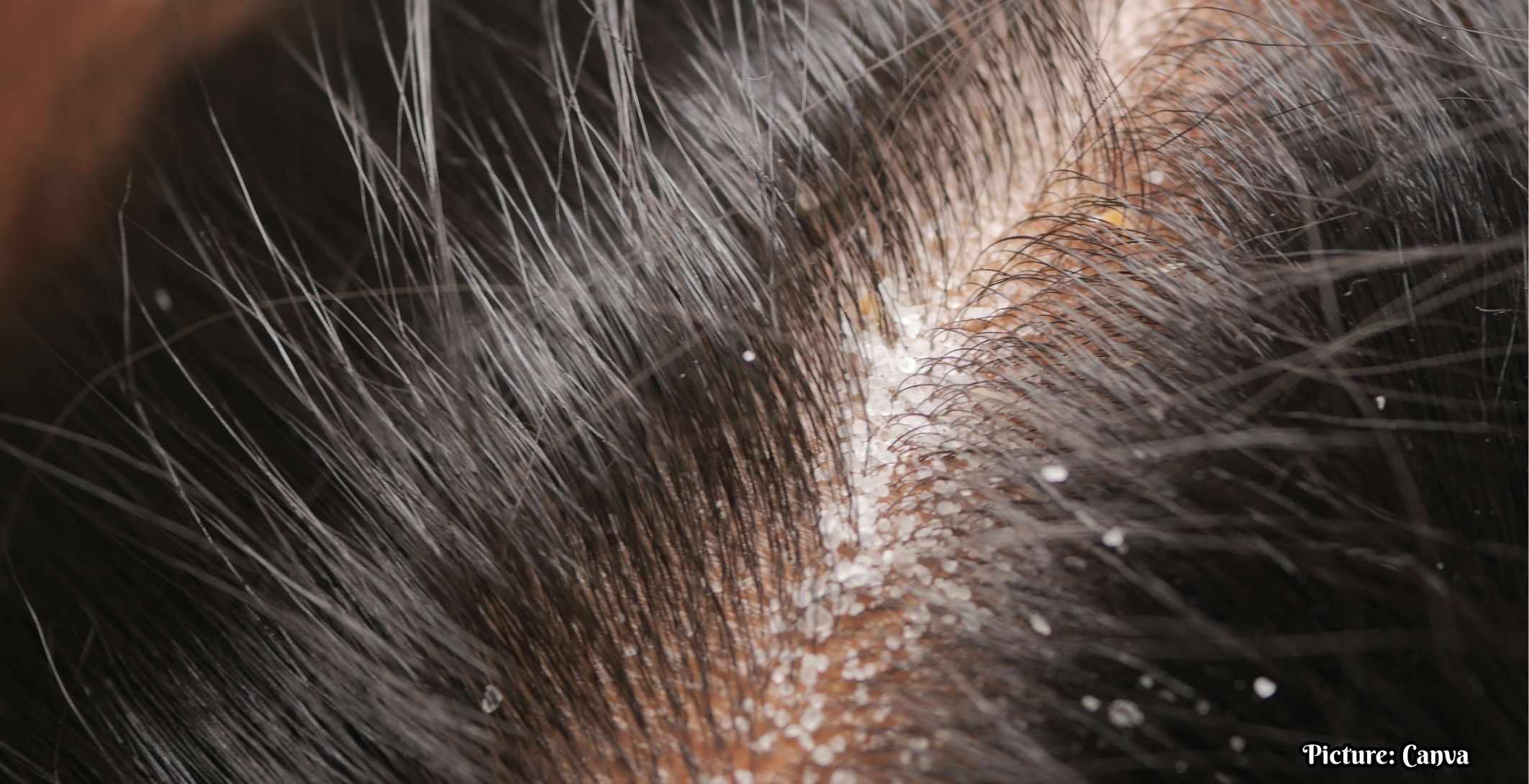
Dandruff is a prevalent condition characterized by flakes of dead skin on the scalp. It is not contagious and may stem from various underlying factors, including an overgrowth of fungi, oily skin, stress, and environmental conditions such as cold, dry weather. Certain skin conditions, like eczema and psoriasis, may also contribute to the development of dandruff.
To manage dandruff, experts recommend the use of anti-dandruff shampoos, which should be applied daily, left on the scalp for about five minutes, and then thoroughly rinsed. It may be necessary to experiment with different formulations to find the most effective product. In cases where over-the-counter treatments are ineffective, consulting a healthcare provider is advisable.
Understanding Seborrheic Dermatitis
When dandruff presents as greasy and yellow flakes, it may indicate seborrheic dermatitis, an inflammatory skin condition that arises in areas rich in oil glands, such as the scalp and face. Though linked to hormonal changes and certain neurological conditions, seborrheic dermatitis is typically treated similarly to dandruff, using anti-dandruff shampoos as the primary method of management.
Hair Shedding: Normalcy and Causes
It is estimated that individuals shed about 100 hairs daily, a figure that should not cause alarm as this is considered a normal part of the hair growth cycle. Approximately 90% of the 100,000 hair follicles on an average human head are actively producing hair, while the remainder are in a resting phase. The hair that is shed is typically replaced within a few months.
However, conditions such as telogen effluvium (TE) can lead to increased hair shedding due to stress, causing active hair follicles to prematurely enter the resting phase. This results in noticeable thinning.
Alopecia Areata: An Autoimmune Response
Alopecia areata is an autoimmune disorder in which the immune system mistakenly attacks hair follicles, resulting in sudden hair loss, often manifesting as one or two bald patches. This condition is generally not harmful or contagious, but it can have significant psychological impacts. Treatments such as corticosteroid injections may help, and there is potential for hair regrowth, though some individuals may experience recurrent episodes of hair loss.
Genetics and Hair Loss Patterns
Genetics play a crucial role in determining hair loss patterns, particularly male pattern baldness, which tends to be inherited from the maternal side of the family. This condition typically begins with receding hairlines at the temples and progresses to thinning at the crown. Currently available treatments include medications such as finasteride (Propecia) and minoxidil (Rogaine), which aim to slow hair loss.
Age-Related Thinning and Women’s Hair Loss
As individuals age, hair thinning can become more pronounced. However, it is essential to note that women are less likely to experience complete baldness compared to men. Contrary to popular belief, longer hair does not lead to increased hair loss, and regular shampooing does not contribute to hair shedding; rather, it cleanses hair that is already in the process of falling out.
Minoxidil applied once daily has shown efficacy in promoting hair growth and preventing further thinning. For women, additional oral medications like spironolactone and flutamide may also be considered.
Environmental and Nutritional Factors
Excessive sun exposure can lead to hair damage, particularly in individuals with lighter hair colors, making hair brittle and prone to breakage. It is advisable to use hair care products with sun protection and wear hats to shield the scalp from sunburn.
Diet plays a significant role in hair health. Deficiencies in protein, iron, omega-3 fatty acids, zinc, and vitamins can stunt hair growth or lead to dullness and hair loss. Maintaining a balanced diet rich in nutrients is crucial for sustaining healthy hair, with foods such as salmon, spinach, and walnuts recommended for optimal hair condition.
Gray Hair: Understanding Premature Graying
While graying hair is often associated with aging, genetic factors can lead to premature graying in individuals under 40. Conditions such as anemia, thyroid disorders, and vitamin B12 deficiency may also cause early graying. Hair coloring products are an option, though they may provoke allergic reactions in some individuals.
The Impact of Hairstyles and Hair Care Practices
Hairstyles that pull hair tightly, such as braids and ponytails, can lead to traction alopecia, a condition that damages hair follicles and results in hair loss. Changing hairstyles regularly can help mitigate this risk. Over-styling practices, including frequent blow-drying and chemical treatments, can also harm hair health. Reducing the frequency of such practices can lead to healthier hair.
Medications and Hair Loss
Various medications, including those for depression, blood clotting, and hormonal treatments, can list hair loss as a potential side effect. Typically, hair regrowth occurs following the cessation of these medications, though this is not guaranteed in all cases.
Scalp Massage and Hair Analysis
While there is no scientific evidence to support the efficacy of scalp massage in preventing hair loss, it may provide stress relief and promote relaxation. Conversely, claims made by companies offering hair analysis for health diagnostics are met with skepticism, as results can be inconsistent and influenced by external factors.
In conclusion, understanding the myriad factors affecting hair and scalp health is essential for maintaining not only personal aesthetics but also overall well-being. Regular care, awareness of health conditions, and appropriate dietary choices can help individuals achieve and sustain healthy hair.




No Comment! Be the first one.