




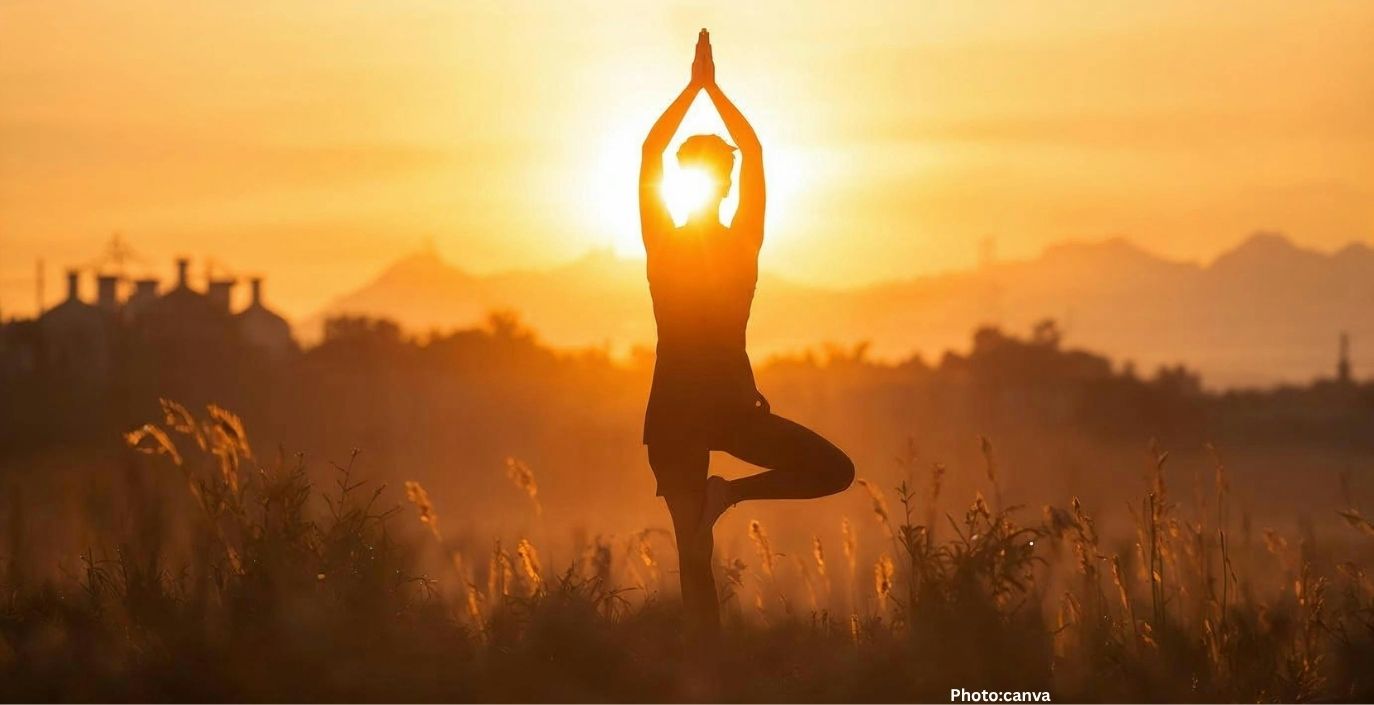
Sun Salutation, or Surya Namaskar, is a revered sequence in yoga that embodies deep spiritual and cultural significance, tracing its roots to ancient traditions that honor the sun as a vital source of life and consciousness.
As yoga continues to gain popularity worldwide, the practice of Sun Salutation, or Surya Namaskar, has emerged as a cornerstone of many yoga sessions. This dynamic sequence of postures not only serves as a physical warm-up but is also steeped in rich historical and spiritual traditions that date back thousands of years.
The origins of Sun Salutation are a subject of debate among scholars and practitioners alike. Traditionalists argue that the sequence is at least 2,500 years old, tracing its roots to Vedic rituals that honored the dawn with offerings and mantras. In contrast, some contemporary historians assert that the sequence was popularized in the early 20th century by a raja in Aundh, India, before being introduced to Western audiences in the 1920s and 1930s. Regardless of its precise origins, the sequence has evolved significantly over the years, incorporating various adaptations.
Symbolism of the Sun in Yoga
The sun has long been revered in various cultures as a symbol of consciousness and illumination. Erich Neumann, a Jungian analyst, articulated this connection in his work, stating, “The world begins with the coming of light.” In Hinduism, the sun, known as Surya, is viewed not only as a physical entity but also as the spiritual heart of the universe. It is believed that all life originates from the sun, which embodies the potentiality of all that is to be known.
In the practice of yoga, the Sun Salutation sequence begins and ends with the gesture of Anjali Mudra, or the Heart Seal, where practitioners join their hands at the heart center. This gesture symbolizes humility and reverence, emphasizing the importance of connecting with one’s inner self and the divine. The ancient yogic texts suggest that each individual embodies the universe, replicating its vastness and complexity in their being.
Structure and Practice of Sun Salutation
The Sun Salutation consists of a series of twelve postures that are fluidly connected through breath. The sequence typically begins with Tadasana (Mountain Pose) and progresses through various asanas, including Urdhva Hastasana (Upward Salute), Uttanasana (Standing Forward Bend), and others, before returning to the starting position. Each movement is coordinated with inhalations and exhalations, fostering a meditative quality that enhances the physical practice.
For beginners, mastering the transitions between postures can be challenging. Common difficulties include executing Chaturanga Dandasana (Four-Limbed Staff Pose) and stepping forward from Adho Mukha Svanasana (Downward-Facing Dog) into Lunge. To ease these transitions, practitioners are encouraged to modify their approach, such as bending their knees or using props like blocks to facilitate movement.
Benefits of Sun Salutation
The practice of Sun Salutation offers numerous physical and mental benefits. According to experienced practitioners and yoga texts, regular practice can improve strength, flexibility, and endurance, while also enhancing posture and balance. The sequence is known to stimulate the heart, improve circulation, and increase lung capacity. It also provides a gentle massage to the digestive organs and stimulates the endocrine system, particularly the thyroid gland.
Moreover, Sun Salutation is celebrated for its ability to relieve tension, calm the mind, and foster concentration. Many practitioners find that even a few rounds of Sun Salutation can invigorate their spirits and reignite their commitment to yoga.
Precautions and Considerations
While the Sun Salutation is suitable for many, certain individuals should approach the practice with caution. Those with high blood pressure, herniated disks, sciatica, or pregnant individuals are advised to consult with experienced instructors who can offer modifications to ensure safety during practice.
Traditionally, Sun Salutations are performed outdoors, facing east to honor the rising sun, though this may not always be practical in various climates. In contemporary practice, many yogis integrate Sun Salutation into their warm-up routines, often performing multiple rounds to build heat and prepare the body for more intensive asanas.
As practitioners become more familiar with the sequence, they may choose to incorporate variations or additional poses to enhance their practice. This adaptability makes Sun Salutation a versatile and dynamic component of yoga that can cater to various skill levels and preferences.
In summary, Sun Salutation is not merely an exercise routine but a deeply meaningful sequence that connects practitioners to ancient traditions and the natural world. Through its rhythm and flow, it serves as a reminder of the light within and the vital energy that sustains all life.



No Comment! Be the first one.