





Introduction
The global burden of childhood blindness remains a significant yet largely preventable public health challenge. In response to this urgent issue, the Eye Foundation of America (EFA), under the leadership of Dr. V. K. Raju has spent five decades advancing equitable access to eye care, particularly for underserved populations.
The organization has announced a landmark event to commemorate both its Golden Jubilee—50 years of service—and the International Day for a World Without Childhood Blindness. Scheduled for January 29, 2027, at The Rockefeller Foundation in New York, the celebration aims to unite global leaders, healthcare professionals, philanthropists, and advocates committed to eliminating preventable blindness in children.
Centered on the theme “Restoring Sight. Transforming Lives. Building Futures,” the event reflects the enduring mission of EFA and its Founder-President, Dr. Vadrevu K. (V. K.) Raju, whose work has shaped global ophthalmology and humanitarian healthcare.
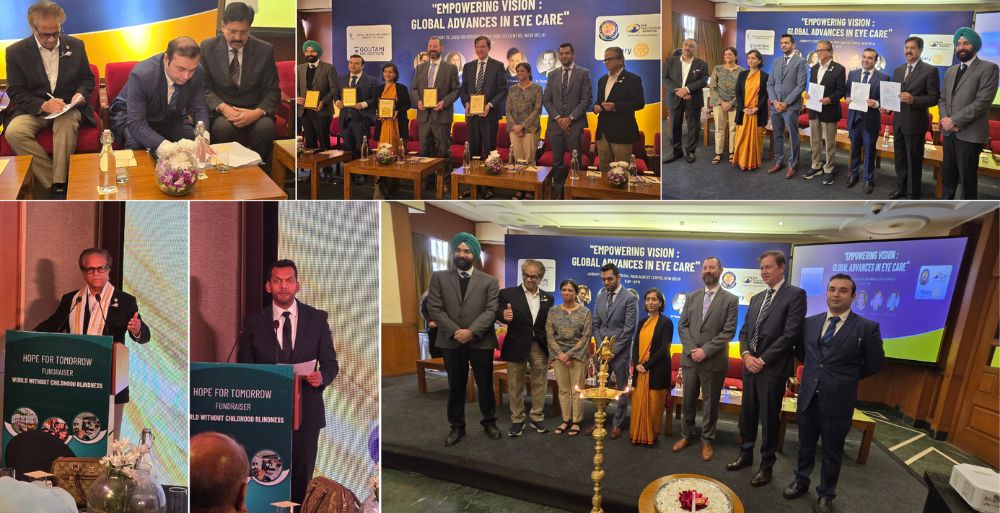
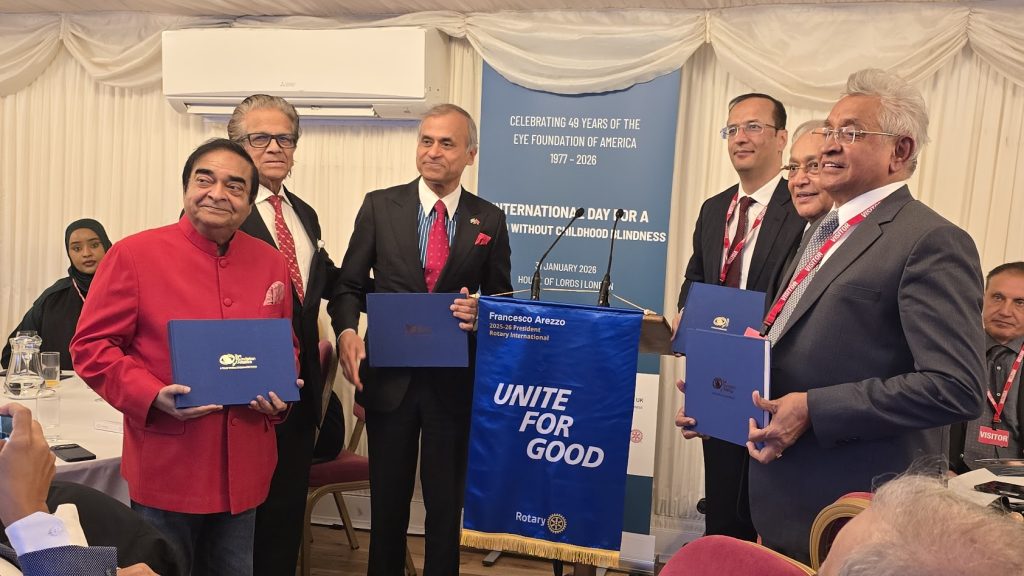
The 49th annual celebration of the A World Without Childhood Blindness was held at the historic House of Lords at the British Parliaments in London in 2026, and was hosted by Lord Rami Ranger. New Delhi was the venue for the 2025 event, hosted by the International Lions Club.
The International Day: A Global Call to Action
Observed annually on January 31, the International Day for a World Without Childhood Blindness commemorates the inception of Dr. Raju’s mission. More than symbolic, this observance serves as a call to action, emphasizing that most childhood blindness is either preventable or treatable. Despite medical advancements, millions of children worldwide remain visually impaired due to inadequate access to timely diagnosis and care.
The importance of early intervention is profound. Vision plays a central role in childhood development, with more than 90% of learning and developmental processes dependent on sight. Without appropriate treatment, childhood blindness can significantly restrict educational attainment, independence, and future socioeconomic opportunities.
Dr. Leela Raju reinforces the ethical dimension of this issue, stating, “No child should be denied the gift of sight because of where they are born.” This statement encapsulates the broader principle of health equity that underpins EFA’s global efforts.
The Visionary Leadership of Dr. V. K. Raju
Dr. V. K. Raju’s life and career exemplify an unwavering commitment to service. Born in Andhra Pradesh, India, and trained in medicine across India, the United Kingdom, and the United States, he has become an internationally recognized expert in corneal and pediatric eye diseases. Currently serving as a Clinical Professor of Ophthalmology, Dr. Raju has dedicated over 50 years to advancing both clinical excellence and humanitarian outreach.
His journey began in 1977 with a single free eye camp in rural India. This modest initiative evolved into a global movement, leading to the formal establishment of the Eye Foundation of America in 1979. The organization was founded on a bold yet simple vision: to ensure that no child becomes blind due to preventable or treatable conditions.
Dr. Raju’s philosophy is succinctly captured in his statement: “When you restore sight to a child, you don’t just heal eyes—you unlock a future.” This guiding principle continues to shape EFA’s integrated approach to service delivery.
Scope, Impact, and Global Reach
Over the past five decades, the Eye Foundation of America has expanded its reach to more than 30 countries, delivering comprehensive eye care services to underserved communities. The organization has screened approximately 2.5 million patients and performed over 340,000 vision-saving surgeries, including more than 30,000 procedures for children.
These interventions have been delivered through a multifaceted model that combines community-based outreach, surgical care, education, and training. Eye camps, mobile clinics, and permanent healthcare facilities have made it possible to reach populations that otherwise lack access to specialized care.
EFA’s work extends beyond treatment to include prevention and education. Communities are educated about eye health, injury prevention, and the importance of early detection. Teachers are trained to identify vision problems in children, enabling timely referrals and intervention.
The broader social implications of childhood blindness further highlight the urgency of these efforts. According to Dr. Raju, “75% of blind children never attend school. Blindness reduces employability by 50% and increases poverty and social isolation.” These statistics underscore the interconnected nature of vision, education, and economic opportunity.
Innovation and Sustainability in Eye Care
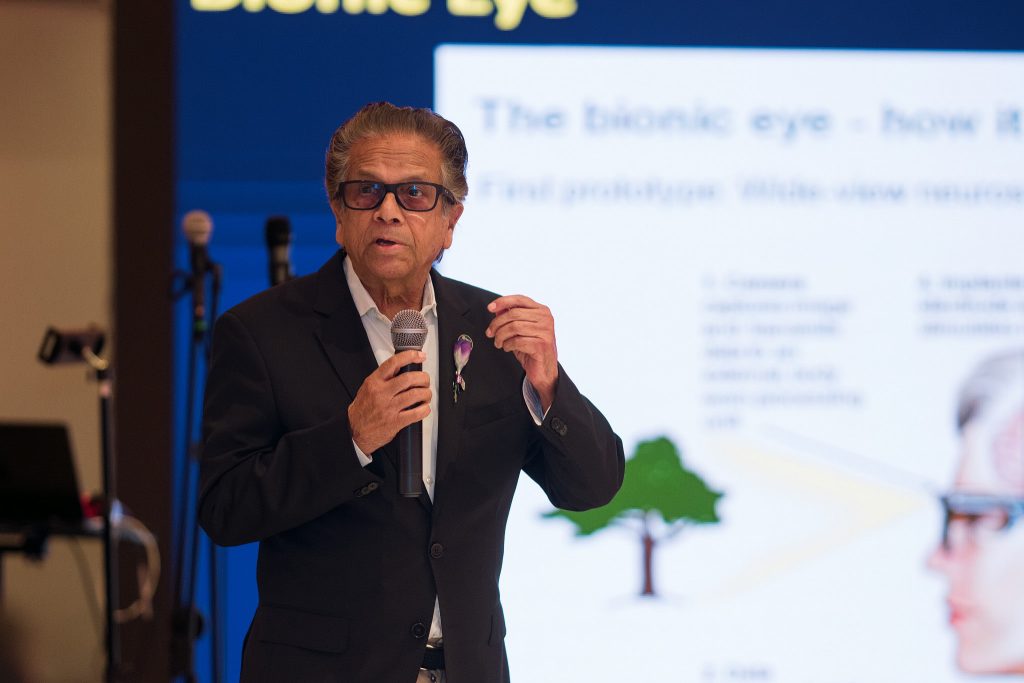
The upcoming New York celebration will feature a Global Impact Showcase, highlighting EFA’s innovative programs that integrate prevention, treatment, education, and research. Among these initiatives is a focus on Retinopathy of Prematurity (ROP), a leading cause of blindness in premature infants. Through targeted interventions, EFA has contributed to early detection and treatment strategies that significantly reduce the risk of lifelong visual impairment.
Dr. Raju’s model emphasizes sustainable healthcare systems through institution-building and local capacity development. Notable achievements include the establishment of the Srikiran and Goutami Eye Institutes in India, which have expanded access to high-quality ophthalmic care. The Goutami Institute, recognized as the Best Eye Hospital in Andhra Pradesh by the state government, continues to grow in infrastructure, staffing, and technological capabilities.
Training local healthcare professionals is another key component of sustainability. By equipping physicians, nurses, and community workers with critical skills, EFA ensures that eye care services remain accessible long after initial interventions.
“Vision is a right, not a privilege,” Dr. Raju asserts, reinforcing the ethical foundation of equitable healthcare access.
| As a young physician, Dr. Raju started eye camps and never looked back. His interest in research and teaching. As he continues his noble mission, he has received numerous awards nationally and internationally. Among the many, the American Medical Association Foundation recently awarded him the Dr. Nathan Davis (Founder of AMA) International Excellence in Service Award. When asked about his awards, he says, “The reward for work well done is an opportunity to do more.” (Pearl s Buck) |
A Life of Service and Gratitude
Dr. Raju’s work is deeply rooted in a sense of gratitude and responsibility. Reflecting on his journey, he states, “I feel so incredibly thankful for my personal and professional gifts, and I make great efforts to share those gifts with those in need of my services. I am ever grateful to India for giving me stellar medical education for almost free.”
This perspective has informed his lifelong commitment to service, as well as his focus on building collaborative networks of support. The success of EFA and its affiliated institutions has been made possible through partnerships with board members, healthcare professionals, governments, and community organizations.
Celebration, Recognition, and Future Directions
The Golden Jubilee event at The Rockefeller Foundation will serve not only as a celebration of past achievements but also as a platform for future action. The program will include the Robert Murphy Visionary Leadership Awards, recognizing individuals and organizations that have made significant contributions to global eye health.
Leaders across sectors—including healthcare, academia, philanthropy, and international development—are expected to attend, emphasizing the importance of cross-sector collaboration in tackling childhood blindness. The event will also highlight opportunities for partnership and philanthropy aimed at scaling impact.
Reflecting on the organization’s journey, Dr. Raju states, “Since 1977, we have partnered with healthcare professionals, governments, institutions, volunteers, and communities across the globe to ensure that every child has the opportunity to see, learn, and thrive.”
As EFA enters its next phase, the focus remains on expanding access, advancing innovation, and strengthening global partnerships. The Golden Jubilee serves as both a milestone and a renewed commitment to the organization’s founding vision.
Conclusion
The work of the Eye Foundation of America demonstrates the transformative impact of combining medical expertise with humanitarian values. Through five decades of service, innovation, and advocacy, the organization has improved the lives of millions and brought the world closer to eliminating preventable childhood blindness.
Dr. Raju’s call to action resonates as strongly today as it did at the beginning of his journey: “Together, let us illuminate young lives and create a world without childhood blindness. Your support can change lives, restore vision, and empower futures.”
As global stakeholders prepare to gather in New York in January 2027, the message is clear—ending childhood blindness is not only possible but imperative. Through collective commitment and sustained effort, a future where every child can see, learn, and thrive is within reach.
“Since 1977, we have partnered with healthcare professionals, governments, institutions, volunteers, and communities across the globe to ensure that every child has the opportunity to see, learn, and thrive.,” says Dr. Raju.
“As we celebrate our Golden Jubilee, we invite global leaders, philanthropists, healthcare innovators, and partners to join us in honoring a remarkable journey of impact and renewing our commitment to the next generation.”
To donate or would like to know more about the foundation, please Visit: www.EyeFoundationofAmerica.org.






No Comment! Be the first one.