





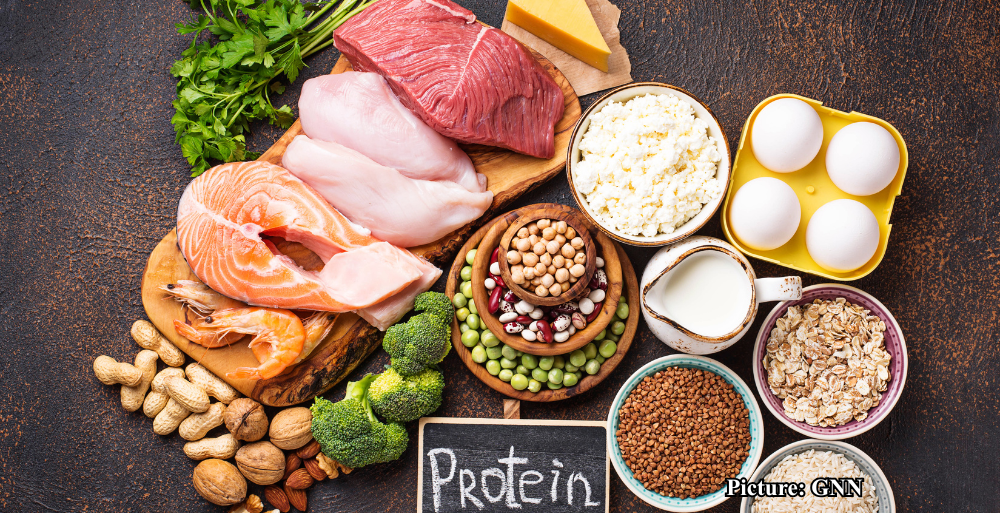
Experts suggest that minor dietary changes can effectively enhance protein consumption, supporting overall health and well-being.
As individuals increasingly strive to improve their nutritional habits, understanding the role of protein in the diet has become essential. Protein is vital for various bodily functions, including hormone production, muscle maintenance, and immune system support. Registered dietitians emphasize that incorporating high-protein foods into meals and snacks can create a more balanced diet without necessitating drastic changes. This article explores practical strategies that allow individuals to increase their protein intake through simple adjustments.
The Role of Protein in Health
Protein is a crucial macronutrient that contributes to numerous physiological processes. The Dietary Guidelines for Americans recommend that protein should account for 10% to 35% of total daily caloric intake, translating to approximately 46 grams per day for women and 56 grams for men. However, individual protein requirements can vary significantly based on factors such as age, activity level, and specific health goals. A growing body of research suggests that adequate protein intake not only supports muscle health but also plays a critical role in satiety, helping individuals feel fuller longer.
Identifying Inadequate Protein Intake
Many individuals are often unaware of their low protein consumption until they actively assess their eating habits. A common indication of insufficient protein intake is feeling hungry soon after meals or snacks. Val Warner, a registered dietitian, notes, “Getting enough protein can support satiety, helping you feel fuller and more energized throughout the day.” This observation is corroborated by studies indicating that high-protein breakfasts can enhance cognitive function and concentration.
Effective Strategies for Increasing Protein Intake
Experts recommend several manageable strategies to enhance protein consumption without requiring an entire dietary overhaul. Below are practical suggestions that can be seamlessly integrated into everyday eating habits:
1. Enhancing Breakfast Choices
Breakfast is a critical meal for many, yet it often lacks sufficient protein. Common options, such as oatmeal or granola, may not provide enough protein to sustain energy levels throughout the morning. To rectify this, individuals can incorporate high-protein ingredients into their meals. For example, adding a scoop of protein powder to oatmeal or replacing low-fat milk with high-protein yogurt can significantly increase protein levels. These minor adjustments can easily boost the protein content of breakfast by around 20 grams.
2. Protein-Rich Snacking
Snacking presents another opportunity to augment protein intake. Many people default to low-protein snack options, like fruits or vegetables, which may not adequately satisfy hunger. Registered dietitian Warner suggests that pairing snacks with protein-rich foods can add 15 to 20 grams of protein. For instance, combining a high-protein dip, such as Greek yogurt or cottage cheese, with raw vegetables or selecting protein bars instead of traditional granola bars can enhance the nutritional value of snacks and help maintain energy levels between meals.
3. Ingredient Substitutions
Another effective approach involves substituting standard ingredients with higher-protein alternatives. For example, using Greek yogurt instead of sour cream in dishes can significantly boost protein content without altering flavor. Similarly, incorporating cottage cheese into sauces can enhance protein levels while maintaining taste. Additionally, choosing protein-enriched pasta made from legumes or whole grains can contribute an extra 5 to 10 grams of protein per serving.
4. Adjusting Portion Sizes
A common observation among many individuals is that their meals often feature an imbalance of food groups, with a greater emphasis on grains and vegetables at the expense of protein. By adjusting portion sizes and ensuring that protein occupies a larger share of the plate, individuals can effectively increase their protein intake. Registered dietitian Rebecca Love recommends that protein should comprise about a quarter of a standard dinner plate, equating to approximately 20 grams for an average-size serving. This adjustment can create a more satisfying meal without feeling restrictive.
The Benefits of Sustainable Changes
Experts agree that small, sustainable changes are often more effective than drastic dietary overhauls. Strategies focusing on adding and swapping ingredients rather than eliminating favorites tend to be less overwhelming and more feasible for individuals seeking to enhance their nutritional intake. These practical tips provide a foundation for anyone looking to increase their protein consumption. It is essential to recognize that protein needs may differ based on personal factors and lifestyle; thus, consulting with a registered dietitian can offer tailored guidance on optimal protein targets and effective strategies to achieve them.
Conclusion
In conclusion, increasing protein intake does not necessitate a complete dietary transformation. By implementing small, intentional adjustments, individuals can successfully enhance their protein levels, fostering better health and well-being. Whether it involves upgrading breakfast, rethinking snack pairings, or making simple ingredient substitutions, these strategies present practical solutions that fit seamlessly into real-life routines. As awareness of protein’s importance continues to grow, individuals are encouraged to explore these manageable changes and consult health professionals for personalized advice on optimizing their diets.






No Comment! Be the first one.