




Russian Embassy in New Delhi Marks International Day of Yoga, Underscoring Cultural Ties and Global Practice

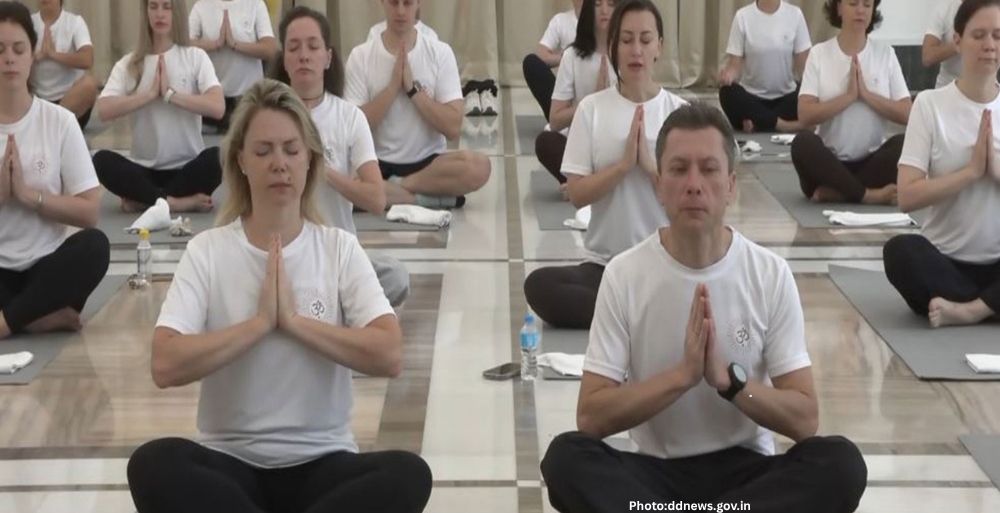
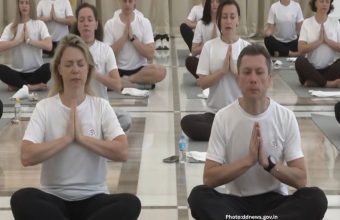
Ahead of the 12th International Day of Yoga, the Embassy of the Russian Federation in New Delhi hosted a comprehensive yoga session on Saturday, emphasizing the expanding popularity of the ancient Indian discipline across major Russian cities. Diplomatic representatives and former Indian state officials emphasized how yoga acts as a bridge for soft-power diplomacy and bilateral cultural exchange between New Delhi and Moscow. The event align with this year’s global United Nations theme, “Yoga for Healthy Ageing,” which highlights the practice’s long-term physiological and psychological benefits across diverse demographics.
Diplomatic Gathering in New Delhi
NEW DELHI — The Embassy of the Russian Federation in New Delhi organized a specialized yoga session on Saturday morning, marking the upcoming 12th annual observation of the International Day of Yoga. The gathering convened diplomats, physical instructors, and political figures on the embassy grounds, serving as a visual demonstration of the growing cultural integration between India and Russia.
The event took place in a structured, formal atmosphere, where speakers from both nations framed the ancient physical and spiritual discipline not merely as a fitness routine, but as a core component of India’s international cultural diplomacy.
Yulia Aryaeva, Counsellor for Culture at the Russian Embassy, addressed attendees to detail the institutional and grassroots footprint that yoga has developed within the Russian Federation. Aryaeva noted that the practice has long migrated past an elite subculture and has reached widespread acceptance across various municipal regions in Russia.
“Yoga has gained widespread acceptance across Russia, with people in many cities practicing it and traveling to India to deepen their understanding of the discipline,” Aryaeva stated during an interview on the sidelines of the event. She characterized yoga as “India’s gift to the world,” observing that the sustained curiosity from Russian citizens has led to an increase in educational tourism, with practitioners regularly visiting Indian ashrams and certified training centers to study traditional methodologies.
The Landscape of Yoga in Russian Cities
The geopolitical and cultural relationship between India and Russia has historically relied on defense, space exploration, and energy trade. However, soft-power elements like yoga have increasingly filled institutional roles in maintaining public goodwill.
Diana Alipova, the spouse of the Russian Ambassador to India, Denis Alipov, spoke to the gathered participants regarding the specific structural spread of yoga within the primary administrative and economic hubs of Russia, notably Moscow and St. Petersburg. Alipova maintained a measured, analytical tone as she described the discipline’s capacity to cultivate structural harmony between the physical body and cognitive health.
Furthermore, Alipova explicitly credited Indian political initiatives for the structural institutionalization of the practice worldwide. She acknowledged Prime Minister Narendra Modi’s sustained diplomatic efforts since 2014 to elevate yoga into a universally recognized annual event verified by international governing bodies. According to embassy briefings, urban centers across Russia have seen a measurable rise in dedicated yoga studios, specialized wellness clinics, and community-led park sessions over the last decade, aligning with broader state goals regarding public health and preventative medicine.
Historical Context and Soft-Power Diplomacy
Former Indian Minister of State for External Affairs, Meenakshi Lekhi, participated actively in the session, anchoring the event within the broader historical trajectory of Indo-Russian bilateral relations. Lekhi, speaking with the deliberate cadence of a seasoned diplomat, reminded the audience that the strategic partnership between New Delhi and Moscow is underpinned by decades of mutual diplomatic support, which is reinforced by deep-seated cultural ties.
Lekhi noted that the systematic globalization of yoga was established as a core foreign policy and cultural priority for the Indian government immediately after Prime Minister Modi assumed office in 2014. By exporting traditional systems of wellness, India has successfully utilized soft-power diplomacy to establish an apolitical, universally accessible point of connection with global populations. Lekhi described yoga as a “valuable legacy gifted by India to the world,” reiterating that its adoption by foreign diplomatic missions confirms its status as a successful vector of international outreach.
The session itself was executed under the technical guidance of Pragya Singh, a professional instructor from Life Yoga. Singh structured the routine to accommodate varying levels of physical proficiency, utilizing the physical demonstration to advocate for the systemic integration of yoga into daily civilian routines to combat contemporary urban stressors and chronic metabolic conditions.
Institutional Foundations of the International Day of Yoga
The global framework for the International Day of Yoga dates back to September 2014, when Prime Minister Modi delivered an address before the 69th session of the United Nations General Assembly (UNGA). In his address, Modi proposed the establishment of a dedicated day to recognize the holistic benefits of the practice.
The subsequent resolution, introduced in December 2014, achieved historical consensus at the UN. It was co-sponsored by an unprecedented 175 member states, passing without a vote. The UN officially designated June 21—the summer solstice in the Northern Hemisphere, marking the longest day of the year—as the International Day of Yoga.
Since the inaugural global celebration on June 21, 2015, which saw over 35,000 people—including diplomats from 84 nations—assemble at Rajpath in New Delhi, the initiative has been systematically managed by the Ministry of Ayush in coordination with Indian diplomatic missions globally.
Addressing Demographic Shifts: “Yoga for Healthy Ageing”
Each year, the United Nations and the Ministry of Ayush select a thematic focus to direct global programming toward urgent socio-demographic needs. The 12th iteration of the event focuses on the theme “Yoga for Healthy Ageing.”
This thematic focus addresses a critical global shift: the accelerating aging of populations in both developed and developing economies. According to data from the United Nations Department of Economic and Social Affairs, the global population aged 65 and older is rising at a faster rate than younger segments. This demographic reality presents severe structural challenges to healthcare infrastructure, pension systems, and social care frameworks worldwide.
Clinical studies compiled by international health organizations indicate that regular, non-impact physical regimens like yoga significantly mitigate age-related health declines. The practice has been shown to improve bone density, enhance postural balance (thereby reducing fall risks among senior citizens), and maintain cognitive plasticity. By focusing this year’s diplomatic and public sessions on healthy aging, organizers aim to position yoga as a cost-effective, accessible public health intervention that supports active aging and reduces the long-term financial burden on state-funded medical systems.
The collaborative session at the Russian Embassy concludes a sequence of preparatory events held globally by international embassies, cultural centers, and municipal governments leading up to the official global demonstrations on June 21.


No Comment! Be the first one.