






This National Donate Life Month, Mayo Clinic emphasizes the transformative impact of innovation on transplant care, showcasing advancements that enhance patient outcomes and surgical techniques.
PHOENIX — In recognition of National Donate Life Month, Mayo Clinic is underscoring the significant innovations that are shaping the future of transplant care. Over the past five decades, advancements in surgical techniques and immunosuppression therapies have dramatically enhanced both the safety and success rates of transplant procedures.
Dr. Sylvester Sterioff, a retired transplant surgeon who has been associated with Mayo Clinic since 1976, remarked on the evolution of transplant practices, stating, “Over the last 50 years, transplant safety and outcomes have improved dramatically, making it a successful treatment for many patients.” He highlighted the essential role of teamwork, research, and high-volume expertise in driving these advancements.
Historical Context of Transplantation at Mayo Clinic
Mayo Clinic performed its inaugural transplant in 1963, marking its entry into the field of organ transplantation at a time when surgeons typically did not specialize in this area. The introduction of improved immunosuppressive therapies in the 1980s allowed for a broader range of organ transplants, as surgeons developed advanced techniques that transitioned from traditional open surgical procedures to modern minimally invasive methods.
“These innovations now allow us to accept a broader range of organs, and preservation techniques have improved considerably,” Dr. Sterioff explained. He noted a remarkable increase in transplant success rates, which have risen from 35% to over 90% during his tenure. This increase can be attributed to Mayo Clinic’s commitment to collaborative and complex care approaches.
Robotic-Assisted Kidney Transplantation
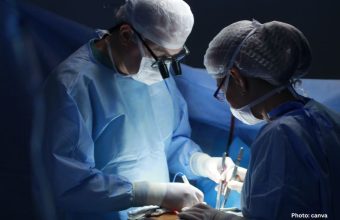
Among the latest advancements in transplant surgery is the use of robotic-assisted techniques, which are currently available at only a limited number of advanced transplant centers across the country. Dr. Alex Cortez, a transplant surgeon at Mayo Clinic, described robotic-assisted surgery as a tool that enhances precision and offers a magnified view for surgeons. “In robotic-assisted surgery, the surgeon controls every movement; the robot isn’t operating on its own,” he explained, emphasizing that this technology allows for highly advanced minimally invasive surgery.
The adoption of robotic systems in transplantation has progressed significantly since the first robotic kidney transplant was performed in 2001. Advances in optics and technology have improved the efficiency and capabilities of robotic systems, enabling surgeons to undertake additional procedures and assist more patients. Dr. Cortez noted that robotic-assisted surgery requires extensive training, yet it adheres to core surgical principles.
Enhanced haptic technology allows surgeons to feel tissue resistance and suture tension, which increases precision and safety during procedures. This advancement minimizes tissue damage and complications that might arise from relying solely on visual cues.
Future Prospects in Transplant Innovation
Looking forward, the potential for further advancements in robotic technology could make complex and multi-organ transplants less invasive. Dr. Michelle Nguyen, a transplant surgeon at Mayo Clinic, expressed optimism about the future, stating, “I think this is just the beginning. We’re able to merge innovation with patient-centered care to provide not only successful transplants but also allow patients to recover faster and lead to a better quality of life.”
Dr. Nguyen highlighted a recent milestone at Mayo Clinic, where surgeons successfully performed a simultaneous kidney and pancreas transplant using robotic surgery for the first time. She noted that innovations such as telepresence technology would allow surgeons from across the country to observe and learn from Mayo Clinic’s procedures, further expanding the reach of advanced surgical techniques.
The integration of data analytics and machine learning into surgical practices could also enhance the efficiency and effectiveness of future operations. “We hope this approach will expand access to care for more patients in the future,” Dr. Nguyen added.
Mayo Clinic’s Commitment to Transplant Care
Mayo Clinic remains at the forefront of advancing transplant care, with ongoing efforts to expand robotic-assisted transplant techniques to additional organ types. The transplant teams at Mayo Clinic locations in Rochester, Minnesota, and Arizona are actively pursuing these innovations, while plans are underway to incorporate robotics into transplant practices at the Jacksonville campus in Florida.
These groundbreaking advancements in transplantation are made possible by the generosity of organ donors, whose contributions are vital to saving lives and enabling medical innovation.
About Mayo Clinic
Mayo Clinic is a nonprofit organization dedicated to advancing clinical practice, education, and research while providing compassionate care to those in need of healing. The Mayo Clinic Transplant Center is recognized as one of the largest and most comprehensive transplant programs globally, with facilities in Arizona, Florida, and Minnesota. The center is committed to delivering exceptional outcomes and continuous innovation in the field of transplantation.



No Comment! Be the first one.