




Longitudinal Study Links Midlife Sleep Disturbances to Lower Psychological Well-Being Nine Years Later in Women

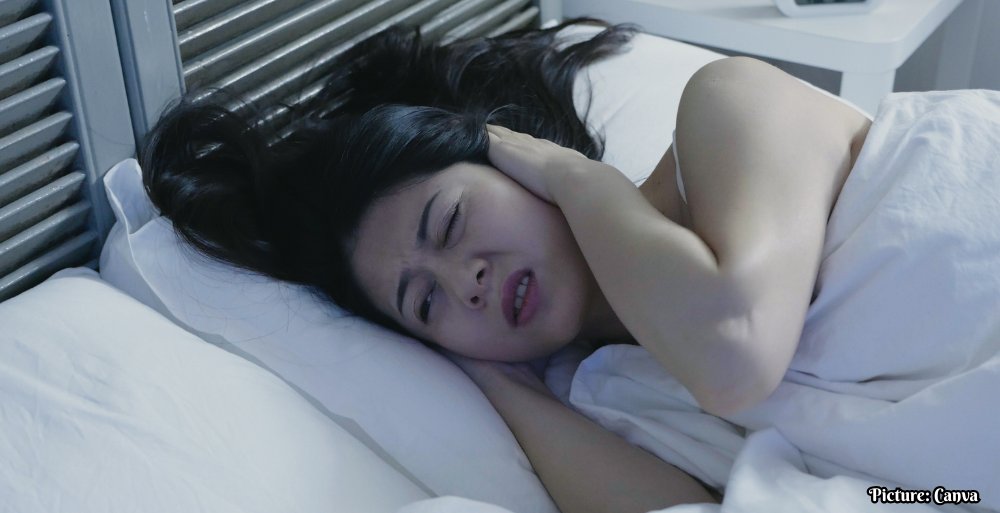
A comprehensive longitudinal study utilizing data from the landmark Midlife in the United States project has revealed a stark divergence in how sleep disturbances impact long-term psychological health based on sex. Tracking 574 adults over a nine-year period, researchers determined that chronic sleep disruptions experienced during midlife function as a persistent risk factor for diminished psychological well-being down the road. Crucially, the prospective association remained heavily pronounced and statistically significant for women even after adjusting for a broad matrix of socio-demographic and underlying health variables, whereas the effect faded into statistical insignificance for men. The peer-reviewed findings, slated for presentation at the SLEEP 2026 annual meeting in Baltimore, suggest that clinical frameworks must pivot toward targeted, sex-specific sleep interventions to safeguard the neurological and emotional health of an aging female population.
DARIEN, Illinois — Clinical sleep problems reported by middle-aged and older adults are directly correlated with lower levels of psychological well-being nearly a decade later, with the negative long-term impacts falling disproportionately on women. The longitudinal research, scheduled to be formally presented on June 17, 2026, at the SLEEP 2026 annual meeting in Baltimore, tracks the health trajectories of adults over a nine-year evaluation window. While sleep disruptions eroded measures of life satisfaction, personal growth, and self-acceptance across the broader sample, sophisticated moderation modeling confirmed that the enduring negative effects are strongly contingent on biological sex, demonstrating an outsized vulnerability among female participants.
The empirical link withstood rigorous statistical adjustments for standard lifestyle and socioeconomic covariates, remaining highly potent for women while ceasing to show statistical relevance for men once external health controls were applied. Published in an online abstract supplement of the prestigious journal Sleep, the findings arrive amid an accelerating public health conversation regarding how clinical diagnostic criteria and preventative wellness strategies must be adapted to account for biological differences between sexes.
Structural Framework and Regression Data
To map the trajectory between baseline rest patterns and long-term cognitive-emotional health, researchers extracted a specialized cohort from the long-running Midlife in the United States (MIDUS) study. The final analysis tracked 574 middle-aged and older adults across two distinct historical evaluation phases: Time 1 (T1), spanning 2005 to 2006, and Time 2 (T2), spanning 2013 to 2017. At the baseline collection point, the cohort exhibited a mean age of 51.7 years, with women representing a 55% majority (316 female participants) of the sample population.
To quantify the subjective and objective facets of rest, investigators utilized the Pittsburgh Sleep Quality Index (PSQI), a validated instrument evaluating seven core components: subjective sleep quality, sleep latency, sleep duration, habitual sleep efficiency, sleep disturbances, use of sleep medication, and daytime dysfunction. Parallel to this, psychological well-being was measured using an exhaustive, validated 42-item questionnaire assessing distinct dimensions of eudaimonic health, including purpose in life, positive relations with others, environmental mastery, and personal autonomy. Scores on the well-being ledger ranged from 42 to 294, with higher point values representing superior psychological functioning.
The statistical architecture relied on linear regression modeling to test the prospective relationship over the nine-year gap. In the unadjusted baseline model, an increase in sleep problems at Time 1 directly correlated with a precipitous drop in psychological well-being at Time 2, yielding a regression coefficient ($B$) of $-2.71$ (Standard Error $[SE] = 0.38, p < 0.001$). When researchers introduced a complex array of control variables—accounting for participant age, education levels, current employment status (working, not working, or retired), partnered status, total number of co-occurring illnesses, and baseline well-being scores—the overarching connection remained stable ($B = -1.20, SE = 0.30, p < 0.001$).
Statistical Divergence Across Biological Sex
The core revelation of the study emerged when interaction terms were introduced into the regression models to evaluate sex as an active moderator. The interaction testing yielded highly significant variance statistics (overall adjusted interaction: $F = 11.59, p < 0.001$), proving that sleep disruptions do not erode long-term mental wellness uniformly across genders.
In raw unadjusted numbers, severe sleep difficulties at Time 1 predicted lower well-being scores at Time 2 more aggressively for females ($B = -3.23, SE = 0.45, p < 0.001$) than for males ($B = -2.00, SE = 0.50, p < 0.001$). However, the true clinical significance appeared after adjusting the models for all sociodemographic and medical covariates. Following full adjustment, the predictive association remained highly significant for female subjects, yielding an adjusted coefficient of $-1.63$ ($SE = 0.34, p < 0.001$). Conversely, for male participants, the relationship collapsed entirely, shifting to an insignificant coefficient of $-0.44$ ($SE = 0.39, p = 0.257$).
This statistical divergence indicates that while a man’s long-term psychological outlook in late life is predominantly insulated from the echoes of midlife sleep issues once general health and employment are factored in, a woman’s psychological endurance remains explicitly bound to the legacy of her sleep quality.
Direct Academic and Institutional Sourcing
Speaking from a research facility during the final preparation phase for the upcoming Associated Professional Sleep Societies conference, lead author Fumiko Hamada, a doctoral student and aging-studies researcher at the University of South Florida in Tampa, emphasized the systemic long-term risk this presents.
“Sleep problems appear to have lasting negative effects on psychological well-being over nearly a decade, and these effects were more pronounced among females in our sample,” Hamada stated, maintaining an objective, data-focused demeanor as she reviewed the linear regression printouts. “This suggests that sleep may be a particularly important long-term risk factor for psychological well-being in women.”
The structural findings imply that conventional clinical strategies, which often treat sleep disruptions as a secondary symptom of psychological distress rather than a primary upstream cause, may be fundamentally miscalculating the preventative timeline for women’s health.
“Developing early sleep interventions that account for sex differences may be an important avenue for protecting psychological well-being over time,” Hamada noted, highlighting the need for health systems to build targeted diagnostic screenings for women entering midlife.
The Clinical Landscape of Gender-Differentiated Sleep
The American Academy of Sleep Medicine (AASM) has long maintained that healthy sleep requires adequate overall duration, robust quality, proper timing, consistency, and the complete clinical absence of untreated sleep disorders or chronic nighttime awakenings. However, epidemiological trends show that the biological baseline is highly unequal. Extensive clinical literature confirms that women are disproportionately prone to developing insomnia and reporting severe sleep fragmentation compared to men, a reality driven by a complex mix of endocrine transitions, reproductive cycles, and socioeconomic caregiving burdens.
The stark divergence documented in Hamada’s research raises major mechanistic questions that the scientific community is racing to solve. In their formal conclusion, the University of South Florida research team called for a deep expansion of future research models to integrate sex-specific metabolic, inflammatory, and endocrine biomarkers. Neuroendocrine changes during the perimenopausal and postmenopausal transitions frequently introduce severe thermoregulatory disruptions—such as night sweats—and architectural alterations to deep-stage slow-wave sleep. These physical shifts occur precisely during the midlife window captured in the MIDUS dataset.
Furthermore, sleep deprivation has been shown to differentially accelerate inflammatory pathways and alter cortisol rhythms in women, potentially causing downstream damage to neurological centers responsible for emotional regulation, cognitive resilience, and eudaimonic well-being. By validating that these impacts persist across an entire decade, the study provides a vital foundation for public health policymakers looking to curb the rising societal burden of late-life mental health challenges through proactive, midlife sleep optimization.






No Comment! Be the first one.