




Indian Scientists Develop Targeted Cancer Drug Candidate RK-251 to Minimize Damage to Healthy Tissue

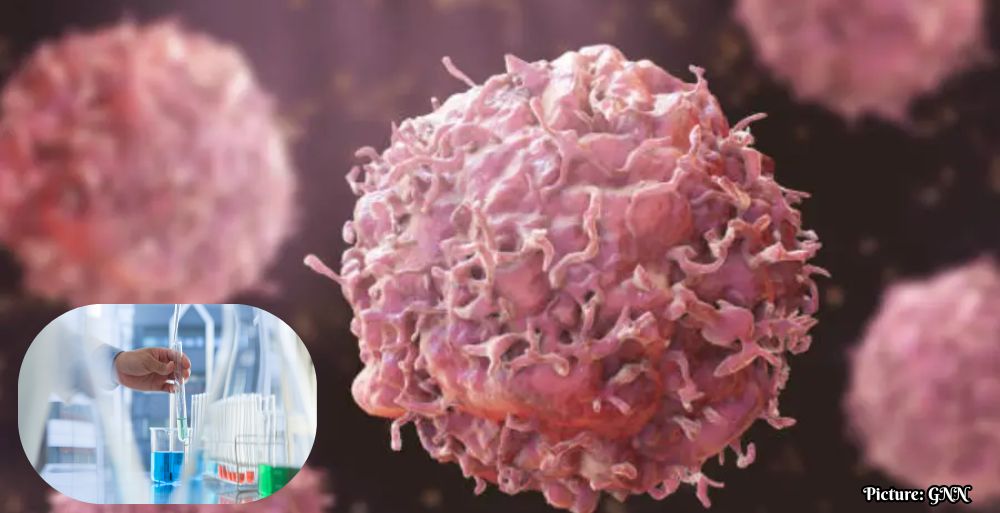
Indian researchers have introduced a promising cancer drug candidate, RK-251, designed to selectively target tumor cells, potentially reducing collateral damage to healthy tissues during treatment.
New Delhi — In a noteworthy breakthrough in the field of oncology, a team of scientists from India has developed a novel cancer drug candidate, referred to as RK-251, which aims to address the challenges associated with traditional cancer treatments. By specifically targeting tumor cells while sparing healthy tissue, this innovative approach could transform the management of cancer, significantly improving patient outcomes.
Research Leadership and Collaboration
The research was spearheaded by Dr. Asis Bala from the Institute of Advanced Study in Science and Technology, an autonomous body under India’s Department of Science and Technology, in collaboration with Dr. K.P. Bhabak of the Indian Institute of Technology (IIT) Guwahati. This partnership highlights a growing trend in India toward collaborative research that bridges academic institutions and public research initiatives to tackle pressing health issues.
Mechanism of Action: Targeting Tumor Cells
RK-251 is designed to remain inactive in normal tissues and activate primarily within cancer cells. This selectivity is achieved by exploiting the higher levels of reactive oxygen species (ROS) that are typically found in the tumor microenvironment. Traditional cancer therapies, including chemotherapy and radiation, often result in significant damage to healthy cells, leading to a range of adverse side effects such as nausea, fatigue, and increased susceptibility to infections. The innovative mechanism behind RK-251 seeks to mitigate these side effects by only triggering the drug within cancerous cells.
When RK-251 enters a cancer cell, the elevated ROS levels cause the drug to activate, leading to the release of NBDHEX, a potent anticancer agent. NBDHEX has been shown to target proteins crucial for the survival and treatment resistance of several cancer types, thus enhancing the efficacy of cancer treatment while limiting exposure to healthy tissues.
Preclinical Findings and Safety Testing
In preclinical studies, RK-251 demonstrated significant activity against aggressive triple-negative breast cancer cells, a particularly challenging subtype notorious for its treatment resistance and poor prognosis. The results indicated that RK-251 had a markedly lesser effect on healthy cells, suggesting a promising therapeutic window for targeted cancer therapy.
To further investigate the safety profile of RK-251, researchers conducted tests using zebrafish embryos. These experiments yielded encouraging results, showing no apparent signs of toxicity, while RK-251 exhibited expected fluorescence in the presence of ROS. This fluorescence serves as additional evidence supporting the compound’s proposed mechanism of action and its selective targeting capability.
The Broader Context of Cancer Treatment
The development of RK-251 comes at a time when the global cancer burden continues to rise. According to the World Health Organization (WHO), cancer is currently the second leading cause of death worldwide, with an estimated 10 million deaths in 2020 alone. The need for new therapeutic strategies that are both effective and less harmful to patients is more pressing than ever.
Currently available treatments, while effective for some patients, often come with debilitating side effects that can diminish the quality of life. The promise of targeted therapies like RK-251 reflects a shift in cancer treatment paradigms, emphasizing precision medicine that tailors therapies to the unique characteristics of individual tumors.
Next Steps and Future Implications
Despite the promising preclinical findings, RK-251 remains in the early stages of development and is not yet ready for clinical application. The research team acknowledges that extensive laboratory research, comprehensive safety testing, and clinical trials are essential before the drug candidate can be considered for use in human patients. These steps are crucial for validating the drug’s efficacy and safety profile, which will ultimately determine its suitability for clinical use.
As the scientific community continues to explore innovative avenues for cancer treatment, the emergence of RK-251 highlights the ongoing efforts to create therapies that prioritize patient safety while effectively combating malignancies. If successful, RK-251 could represent a significant advancement in the development of targeted cancer therapies and potentially improve the lives of millions of patients facing this challenging disease.
In conclusion, the development of RK-251 is a testament to the potential of scientific research combined with innovative thinking to address complex health challenges. As researchers push forward with this promising candidate, stakeholders in the healthcare sector—ranging from policymakers to healthcare providers—will be closely monitoring its progress, hoping for a future where cancer treatments can be both effective and gentle on the body.






No Comment! Be the first one.