





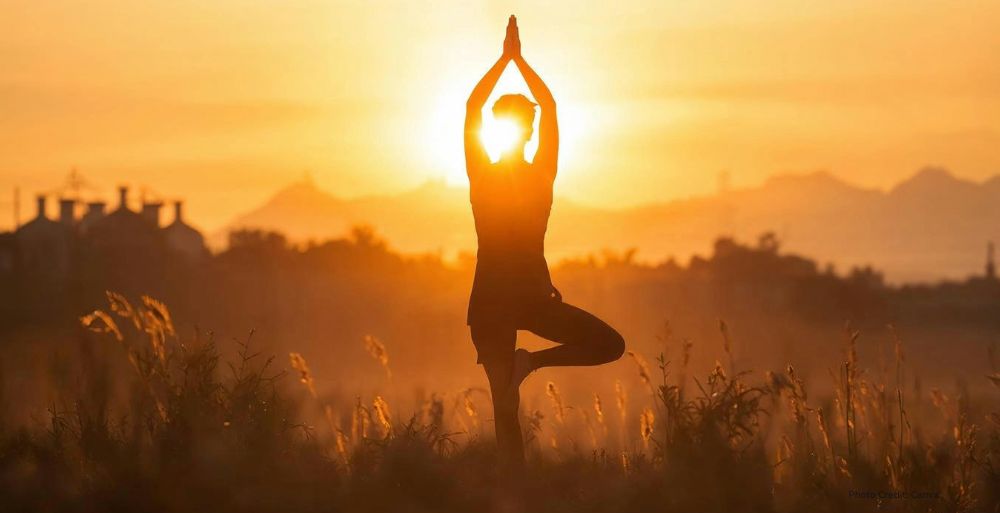
Five yoga poses are highlighted to encourage practitioners to embrace creativity and a sense of play during their yoga practice.
Yoga, a discipline often associated with mindfulness, focus, and breath control, can also evoke a sense of playfulness and whimsy. This duality invites practitioners to reconnect with the uninhibited spirit of childhood, fostering a deeper bond with both their bodies and the universe. The concept of integrating play into yoga is increasingly recognized as a valuable approach to enhancing one’s practice, offering a refreshing perspective that emphasizes joy alongside discipline.
The Essence of Play in Yoga
While many people view yoga as a serious endeavor, the practice can be transformed into a light-hearted exploration of movement and self-expression. Emphasizing playfulness allows individuals to approach their practice without the weight of expectations, encouraging an intuitive response to their bodies and breath. This playful exploration can be particularly beneficial for those who find themselves feeling rigid or overly serious during their practice.
Dancer Pose
Dancer Pose, or Natarajasana, embodies the fusion of strength and grace. This pose requires practitioners to balance on one foot while lifting the other leg behind them, reaching for the foot with one hand. This action not only engages core muscles but also encourages a sense of elegance and fluidity. By leaning forward and extending through the lifted leg, individuals are reminded of their innate potential and the joy of movement.
For those who may struggle with balance, utilizing a strap or belt can provide the necessary support to reach the foot, allowing for a more inclusive experience. As practitioners find their center, they are encouraged to embrace the playful nature of the pose, letting go of self-judgment and inviting a smile to their practice.
Half Moon Pose
Half Moon Pose, or Ardha Chandrasana, invites practitioners to explore a sense of surrender to the forces of nature. As individuals tilt their bodies into this pose, they experience the sensation of defying gravity, transforming it from a strict rule into a mere suggestion. This pose is particularly beneficial for enhancing balance and stability, requiring a strong foundation while encouraging a sense of openness.
To safely enter Half Moon Pose, many practitioners rely on props such as a yoga block or even a chair for support. This adaptability highlights the importance of personalizing practice, allowing each individual to find their unique expression of the pose. By honoring their comfort levels, practitioners can delve deeper into their experience, blending physicality with a sense of play.
Tree Pose
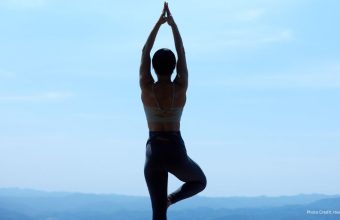
Tree Pose, or Vrksasana, offers a whimsical invitation to embody the strength and balance of a tree. This pose encourages individuals to root down through one leg while lifting the opposite foot to the inner thigh or calf of the standing leg. Once stability is found, practitioners can extend their arms skyward or explore various arm positions, embodying the dynamic nature of a tree swaying in the wind.
Tree Pose emphasizes both grounding and growth, reinforcing the connection between stability and creativity. Practitioners are encouraged to embrace their uniqueness, allowing their branches to sway freely as they explore the boundaries of their balance. This pose not only cultivates physical strength but also inspires a sense of playful exploration within the practice.
Wheel Pose
Wheel Pose, or Urdhva Dhanurasana, evokes the joyful experimentation often associated with childhood. This backbend requires practitioners to open their hearts and engage their entire body, facilitating a sense of liberation and lightheartedness. Many recall discovering this pose in their youth, instinctively testing their physical limits in playgrounds or living rooms.
To safely access Wheel Pose, proper warm-up exercises are crucial. Practicing preparatory poses such as Puppy Pose, Cobra, Upward-Facing Dog, Camel, and Dancer can help build the necessary strength and flexibility. This approach not only ensures safety but also revives the excitement of seeing the world from a different perspective—one that challenges conventional boundaries.
Savasana
Often regarded as the most challenging of all yoga poses, Savasana, or Corpse Pose, may appear deceptively simple. Lying on one’s back and doing nothing can be a profound exercise in stillness and relaxation. Many practitioners struggle with the notion of inactivity, yet embracing this pose can lead to a magical experience of rest and reflection.
In Savasana, allowing the body to settle and the mind to quiet creates space for creativity and playfulness to flourish. This pose underscores the importance of rest within a balanced practice, reminding individuals that sometimes, the most significant insights arise when we allow ourselves to simply be.
Embracing Playfulness in Yoga Practice
The five yoga poses outlined above serve as reminders that yoga is not solely a serious discipline but can also be a joyful exploration of self. By encouraging practitioners to engage with their bodies in playful ways, these poses cultivate a sense of ease and joy, enriching the overall experience of yoga. As more individuals seek to incorporate creativity into their practices, the understanding of yoga as a multifaceted journey continues to evolve.
Ultimately, the integration of playfulness into yoga invites practitioners to reconnect with their essence, cultivating a practice that is not only about physical postures but also about embracing the joy of movement and the present moment. This approach encourages individuals to step onto their mats with an open heart and a sense of adventure, allowing for a transformative experience that resonates far beyond the confines of the studio.
No Comment! Be the first one.