





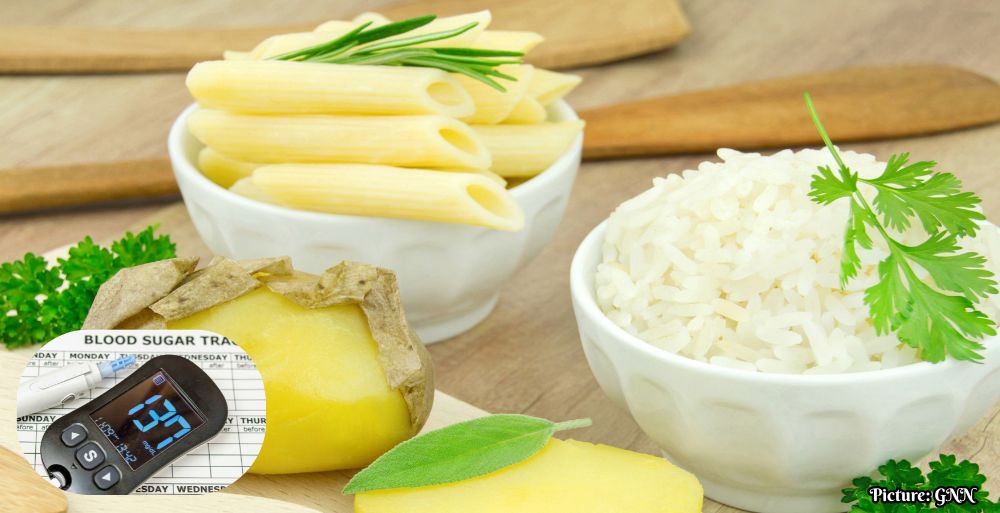
Research indicates that pasta has a lower glycemic index and a lesser impact on blood sugar levels compared to rice and potatoes. This article explores the differences in how these carbohydrate sources affect blood sugar management, along with dietary recommendations.
In an era where dietary choices significantly impact health, understanding the effects of common carbohydrate sources on blood sugar levels is crucial. Recent studies have highlighted the comparative impacts of rice, potatoes, and pasta on blood sugar management. While each of these foods serves as a staple in many diets worldwide, their glycemic responses vary considerably. This report delves into these differences, providing insights into how each food can fit into a balanced diet.
Blood Sugar Responses of Pasta, Rice, and Potatoes
Generally, pasta is regarded as the most favorable option among the three regarding blood sugar control. The glycemic index (GI), which indicates how quickly a carbohydrate raises blood sugar levels after consumption, reveals that pasta typically has a low to moderate GI. Various types of pasta score between 30 and 60 on the GI scale, while brown and white rice, as well as different types of potatoes, tend to score higher, ranging from approximately 50 to 70 for rice and 70 to 90 for potatoes. Foods with a GI score of 70 or above are classified as high GI.
The lower GI of pasta is attributed to its unique structural properties. The protein and gluten content in pasta create a dense network that slows the digestion process, leading to more stable blood sugar levels post-consumption. This contrasts with simpler carbohydrates, such as white bread, which can cause rapid spikes in blood sugar.
Glycemic Load and Other Influencing Factors
However, it is essential to recognize that the overall blood sugar response also depends on the glycemic load (GL), which takes into account the serving size and the food’s GI. Factors such as cooking method and accompanying foods also play a significant role in blood sugar management.
Research indicates that whole wheat and plant-based pastas may be particularly beneficial for blood sugar control. These types of pasta are higher in dietary fiber compared to enriched pasta, which helps mitigate blood sugar spikes. Increased fiber intake has been linked to improved blood sugar regulation and enhanced quality of life for individuals with type 2 diabetes.
Rice: White vs. Brown
When examining rice, it is worth noting the differences between white and brown rice. White rice, known for its higher glycemic response, has been associated with an increased risk of developing type 2 diabetes when consumed in large quantities. On the other hand, brown rice, which contains more fiber, results in lower GI values, making it a preferable choice for those monitoring their blood sugar levels.
Potatoes: A Cautionary Tale
Potatoes present a more complex picture. While they can be part of a healthy diet, certain forms of potato consumption may lead to elevated blood sugar levels. Fried potatoes, such as French fries, tend to have the highest glycemic impact, and studies have shown that consuming multiple servings of potatoes per week can increase the risk of developing type 2 diabetes by 3.5%.
It is important to note that not all potato varieties are created equal. Boiled, skin-on, and certain types like Nicola and Marfona generally exhibit lower GI values compared to their fried counterparts.
Cooling and Pairing Strategies
Another interesting aspect of blood sugar management involves the preparation and consumption of these carbohydrates. Cooking and subsequently cooling pasta, rice, or potatoes can increase their resistant starch content—leading to a lower post-meal blood sugar response. This resistant starch is fermented in the gut into short-chain fatty acids, which may enhance insulin sensitivity.
Moreover, pairing carbohydrates with protein can also assist in managing blood sugar levels. Consuming protein alongside pasta, rice, or potatoes can decelerate digestion, resulting in a more gradual increase in blood sugar levels following a meal.
Portion Control and Dietary Balance
Ultimately, the amount of pasta, rice, or potatoes consumed is crucial for effective blood sugar management. Research emphasizes that overconsumption of carbohydrates can hinder blood sugar control, particularly for individuals with type 2 diabetes. Therefore, adhering to recommended portion sizes is vital for those aiming to manage their blood sugar levels effectively.
In summary, while rice, potatoes, and pasta can all be incorporated into a balanced diet, understanding their differing impacts on blood sugar is essential for making informed dietary choices. By considering their glycemic indexes, fiber content, and preparation methods, individuals can better manage their blood sugar levels and overall health.






No Comment! Be the first one.