





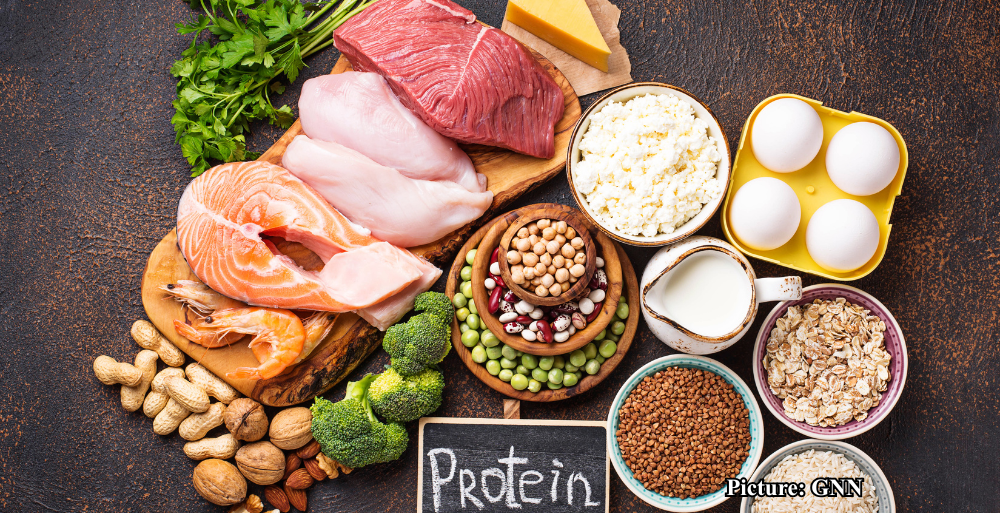
Research suggests that lowering protein consumption could slow biological aging and improve health outcomes, challenging prevailing dietary norms.
In a comprehensive review of over 350 scientific studies, researchers have discovered that reducing protein intake may offer significant health benefits, including the potential to slow biological aging and improve metabolic functions. Published in the journal Cell Press Blue, this study raises critical questions about the growing popularity of high-protein diets, suggesting that many individuals may be consuming more protein than necessary.
According to Dudley Lamming, lead author of the paper and a researcher at the University of Wisconsin-Madison, “It’s absolutely crystal clear that there are benefits of protein to muscle growth and exercise response of active individuals. But because most people are relatively sedentary, many people are likely consuming more protein than they actually need, which probably has negative health consequences.” This assertion underscores the need for a reevaluation of dietary protein requirements, particularly among less active populations.
Historical Context and Dietary Trends
Historically, the link between calorie restriction and longevity has been well-documented across various species. Reducing calorie intake has been shown to extend lifespan and lower the risk for age-related diseases, including cancer. However, consistently maintaining a low-calorie diet is challenging for many, leading researchers to explore alternative dietary strategies.
The recent review suggests that a reduction in protein intake—rather than a blanket decrease in calories—may yield similar benefits. Studies on model organisms like flies and rodents indicate that limiting protein can extend lifespan even when total caloric consumption remains stable, hinting that the type of nutrients consumed plays a crucial role in health outcomes.
Implications for Human Health
Encouragingly, human-based research aligns with these findings. Recent clinical trials indicate that individuals who reduce their protein intake can experience weight loss, decreased body fat, and improved fasting blood sugar levels, even when their overall caloric intake is higher. Fasting blood sugar levels are a vital indicator of metabolic health, suggesting that dietary adjustments could have meaningful implications for aging populations.
However, while these findings suggest a correlation between protein restriction and improved health outcomes, they do not definitively prove that reduced protein intake can extend human lifespan. The relationship between diet and longevity is complex and multifaceted, involving various biological mechanisms.
Protein Intake and Physical Activity
The review further complicates the discourse by highlighting the importance of physical activity in determining protein needs. Studies have shown that higher protein intake can aid in weight loss and help older adults maintain muscle mass, especially when coupled with regular exercise. Maintaining muscle mass becomes increasingly critical as individuals age, as muscle loss can lead to frailty, diminished mobility, and an increased risk of falls.
In light of these considerations, US dietary recommendations were revised earlier this year, now suggesting a daily protein intake of 1.2 to 1.6 grams per kilogram of body weight. This recommendation is nearly double the previous guidelines and reflects the increasing recognition of protein’s role in supporting health among older adults.
Biological Mechanisms Behind Protein Intake
The review identified several biological mechanisms that may explain why reducing protein intake could enhance metabolic function and promote healthier aging. One particularly noteworthy finding involves fibroblast growth factor 21 (FGF21), a hormone that becomes more prevalent when protein consumption is limited. FGF21 plays a crucial role in how the body adapts to nutrient availability, influencing energy expenditure, blood sugar regulation, and inflammation reduction.
Animal studies have shown that higher FGF21 levels correlate with increased longevity, especially in male mice, suggesting potential sex-based differences in hormonal responses. While human research indicates that protein reduction elevates FGF21 levels, further investigation is necessary to determine whether similar longevity benefits apply to humans as they do in animal models.
Amino Acids and Aging
Another critical factor discussed in the review is the type of amino acids present in dietary protein. Certain amino acids, particularly methionine, isoleucine, and valine, have been implicated in stimulating biological pathways associated with growth. While these pathways are essential for development and tissue repair, excessive activation may lead to obesity, inflammation, and other age-related conditions. Thus, limiting specific amino acids could yield some benefits associated with lower protein consumption.
Personalizing Dietary Recommendations
Recognizing that protein requirements vary greatly among individuals, the researchers advocate for personalized dietary recommendations. Pregnant women and physically active individuals may require higher protein intake to support their specific health needs. Conversely, for many adults with sedentary lifestyles, the current trend of increasing protein consumption may not provide the anticipated health benefits.
Lamming emphasizes the need for dietary advice that accounts for both age and physical activity levels: “Recent recommendations have encouraged people to eat more protein, but they’ve also encouraged people to exercise more. We probably need to personalize protein recommendations based not just on age, but also on how physically active people are.” This perspective challenges the prevailing notion that higher protein intake is universally beneficial.
As the conversation surrounding protein consumption continues to evolve, this research highlights the potential advantages of reconsidering dietary norms. While protein is essential for health, especially for active individuals, the findings suggest that reducing protein intake might offer health benefits that are often overlooked in the current dietary landscape. The study received support from the National Institute on Aging, the Wisconsin Partnership Program, and the University of Wisconsin-Madison.





No Comment! Be the first one.